Air Filter Converters for the Marine Industry: A New Frontier
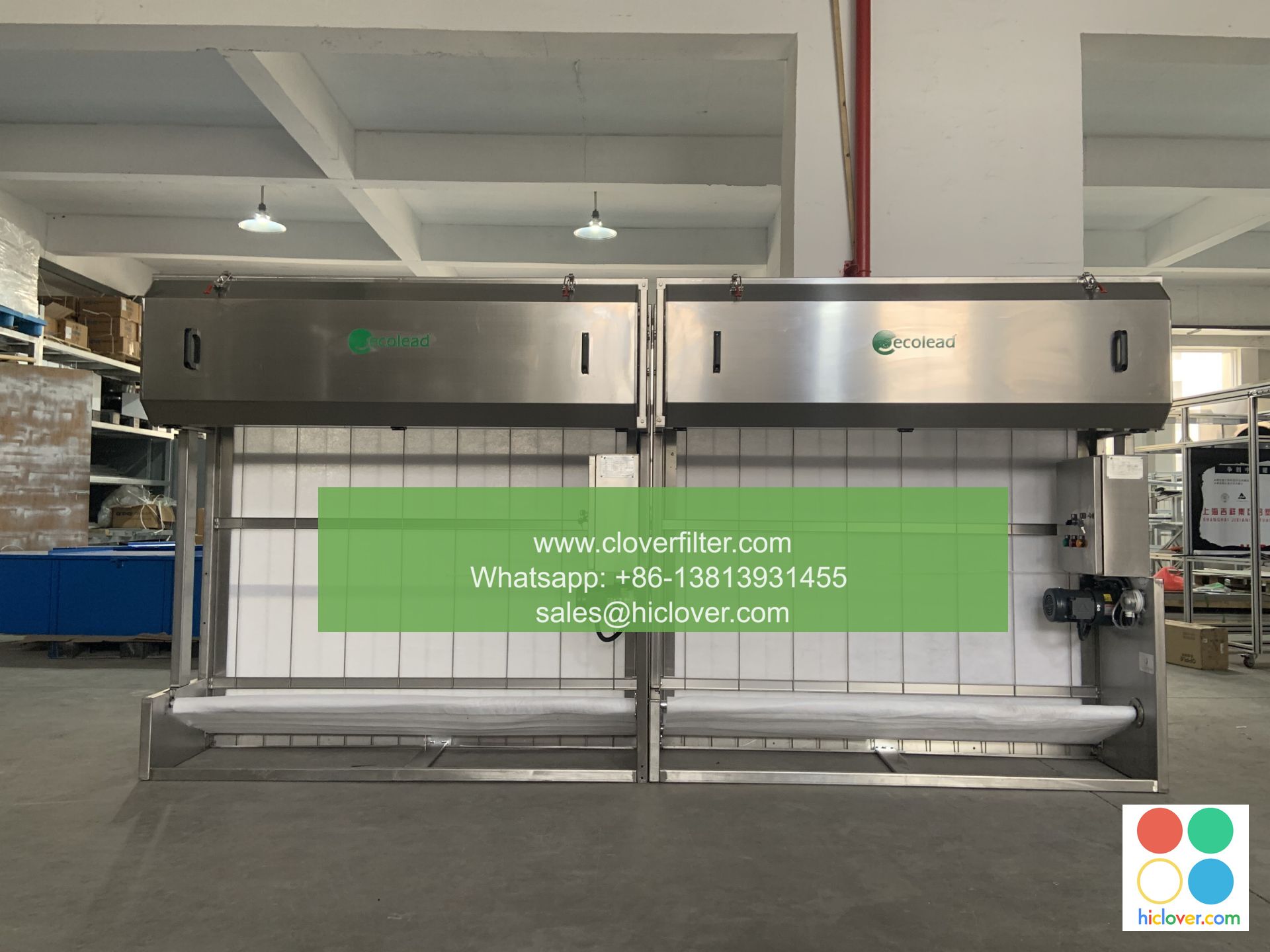
The marine industry is continuously evolving, driven by technological advancements and increasingly stringent environmental regulations. One of the most promising innovations in this sector is the development of air filter converters. These devices not only enhance air quality but also play a crucial role in improving operational efficiency and compliance with global environmental standards.
Understanding Air Filter Converters

Air filter converters are specialized systems designed to transform contaminated air into clean, breathable air by removing pollutants and particulate matter. They utilize advanced filtration technologies and are particularly suited for harsh marine conditions. These converters offer a dual advantage—enhancing air quality aboard vessels and contributing to the reduction of the carbon footprint.
Application Areas of Air Filter Converters
The versatility of air filter converters makes them applicable across various sectors of the marine industry, including:
- Commercial Shipping: Ensuring clean air in cargo holds, engine rooms, and crew quarters, thereby improving the health and comfort of on-board personnel.
- Recreational Boating: Enhancing the air quality in yachts and sailboats while reducing odors and allergens that can affect the enjoyment of leisure activities.
- Offshore and Oil Rig Operations: Protecting workers from airborne toxins and chemicals, contributing significantly to worker safety and compliance with regulations.
- Aquaculture: Maintaining optimal air quality in fish farms, leading to healthier aquatic environments for fish and other marine species.
- Coastal and Harbor Facilities: Reducing emissions and improving air quality in areas with heavy marine traffic, directly benefiting local ecosystems and communities.
- Health Improvement: Enhanced air quality reduces respiratory issues and promotes better overall health for crews and passengers.
- Environmental Compliance: Meeting stringent regulations such as the International Maritime Organization’s (IMO) emissions standards helps companies avoid hefty fines and maintain operational licenses.
- Operational Efficiency: Improved air quality can lead to better performance and longer lifespans for onboard equipment, resulting in decreased maintenance costs and increased reliability.
- Cost Savings: Although the initial investment may be significant, the long-term savings in fuel costs and maintenance can be substantial.
Benefits of Implementing Air Filter Converters
The integration of air filter converters in the marine industry offers a multitude of advantages:
The Future of Air Filter Converters in Marine Applications
As the marine industry continues to face challenges related to air quality and environmental regulations, the role of air filter converters is expected to grow. With ongoing advancements in materials science and filtration technology, we can anticipate the emergence of even more effective systems that cater specifically to the unique needs of the marine environment.
In closing, the transition to air filter converters represents a groundbreaking opportunity for the marine industry. By investing in these innovative systems, companies can not only improve air quality and employee health but also demonstrate a commitment to sustainability that resonates with today’s environmentally conscious consumers. As such, air filter converters stand at the forefront of the marine industry’s efforts toward a cleaner and greener future.
It seems like you might be looking for a prompt or a topic to discuss. Could you please provide more details or specify the type of prompt you are interested in? For example, are you looking for a writing prompt, a discussion topic, or something else?
