Air Filter Data and the Importance of Regular Maintenance
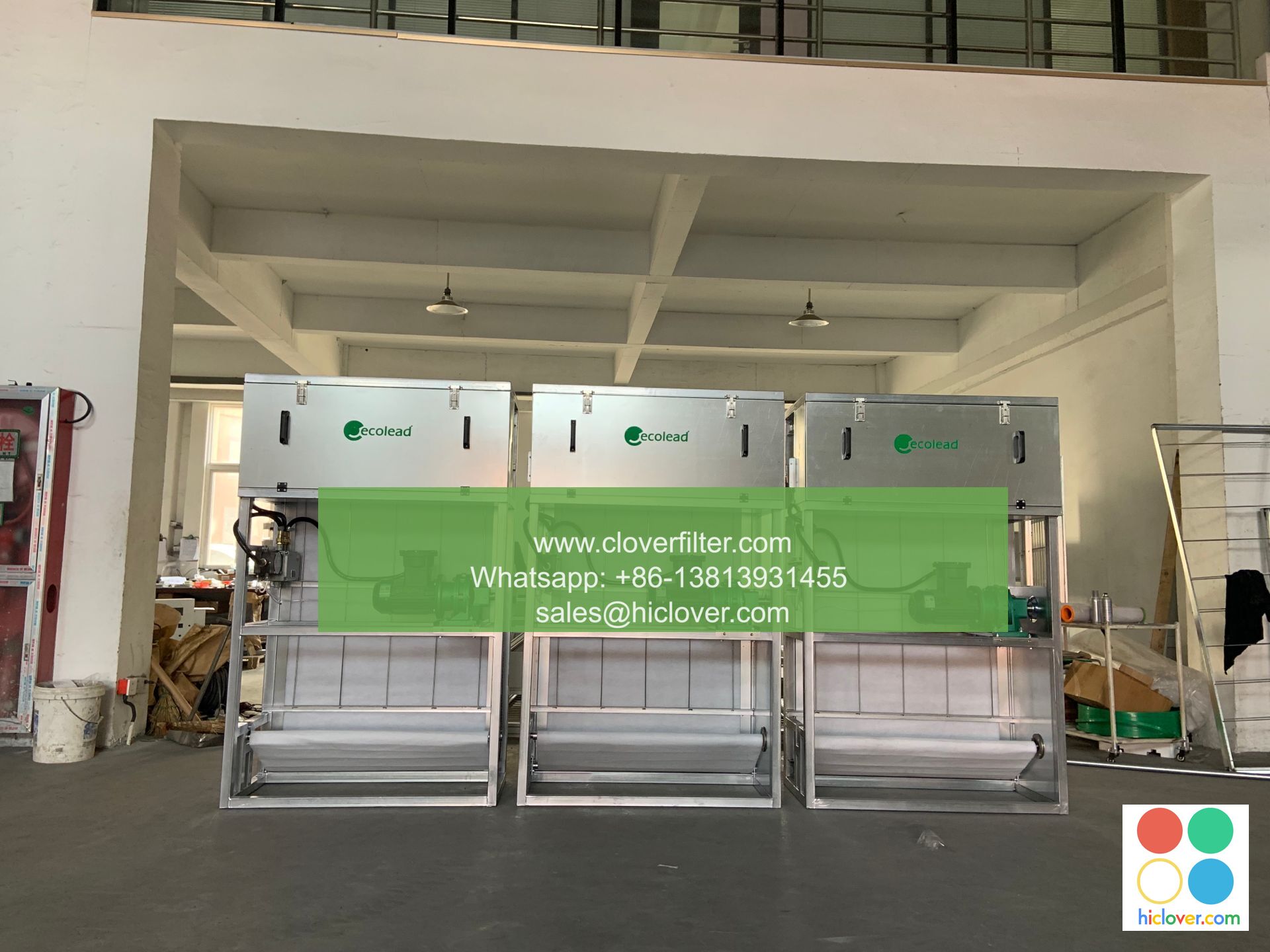
Regular maintenance of air filters is crucial for ensuring optimal performance, efficiency, and indoor air quality (IAQ). In this article, we will delve into the world of air filter data, exploring the significance of air filter maintenance, filter replacement, and filtration systems in various application areas, including HVAC systems, industrial processes, and residential settings.
Understanding Air Filter Data

Air filter data refers to the information collected on the performance, efficiency, and condition of air filters. This data is essential for determining the optimal filter replacement schedule, maintenance frequency, and upgrade requirements. By analyzing air filter data, facility managers and maintenance personnel can identify trends, patterns, and areas for improvement, ultimately leading to energy savings, cost reductions, and enhanced IAQ.
Importance of Regular Maintenance
Regular maintenance of air filters is vital for several reasons:
- Improved Indoor Air Quality (IAQ): Clean air filters help remove particulate matter (PM), volatile organic compounds (VOCs), and other airborne pollutants, ensuring a healthier environment for occupants.
- Increased Energy Efficiency: Dirty air filters can lead to increased energy consumption, as HVAC systems work harder to push air through clogged filters. Regular maintenance helps maintain optimal airflow, reducing energy waste and lowering utility bills.
- Prolonged Filter Life: Regular cleaning and maintenance can extend the life of air filters, reducing the need for frequent replacements and minimizing waste.
- Reduced Downtime: Well-maintained air filters help prevent system failures, downtime, and unscheduled maintenance, ensuring continuous operation and minimal disruption.
- HVAC Systems: Commercial and residential heating, ventilation, and air conditioning systems rely on clean air filters to maintain optimal performance, energy efficiency, and IAQ.
- Industrial Processes: Manufacturing facilities, pharmaceutical plants, and food processing industries require high-efficiency air filters to maintain clean environments, prevent contamination, and ensure product quality.
- Residential Settings: Homeowners can benefit from regular air filter maintenance to improve IAQ, reduce energy bills, and extend the life of their HVAC systems.
- Regularly inspect air filters for dust, dirt, and damage.
- Clean or replace air filters according to the manufacturer’s recommended schedule.
- Monitor air filter pressure drop and airflow rates to detect potential issues.
- Keep records of air filter maintenance, including replacement dates and filter types.

Application Areas
Air filter data and regular maintenance are crucial in various application areas, including:
Best Practices for Air Filter Maintenance
To ensure optimal performance and efficiency, follow these best practices for air filter maintenance:
By prioritizing air filter data and regular maintenance, facility managers, maintenance personnel, and homeowners can ensure optimal performance, efficiency, and IAQ in various application areas. Remember, clean air filters are essential for healthy environments, energy savings, and cost reductions.
It seems like you didn’t include a prompt for me to respond to. Could you please provide more details or specify what you would like to talk about? I’m here to help with any questions or topics you’re interested in!
