Air Filter Data and the Role of Internet of Things (IoT) Devices
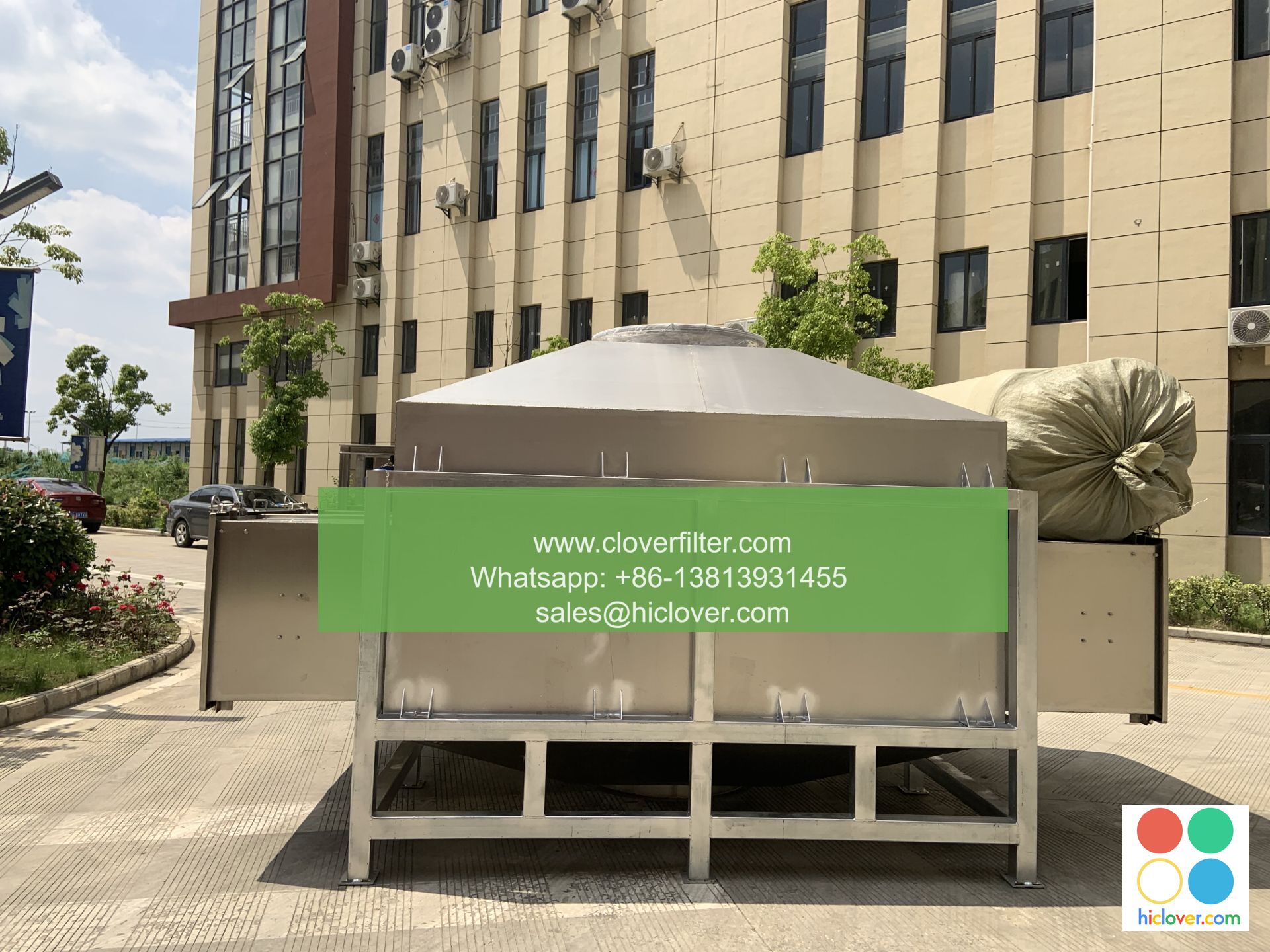
The quality of air we breathe is crucial for our health and well-being. With increased urbanization and industrial activities, indoor and outdoor air pollution has become a pressing issue. Air filtration systems play a vital role in ensuring clean air, and the integration of Internet of Things (IoT) devices with air filters is transforming how we monitor and manage air quality.
What is Air Filter Data?

Air filter data refers to the metrics and statistics collected by air filtration systems regarding the quality of air being filtered. This data can include:
- Particulate matter levels (PM2.5, PM10)
- Volatile organic compounds (VOCs)
- Temperature and humidity levels
- Filter efficiency and lifespan
- Real-time air quality indexes (AQI)
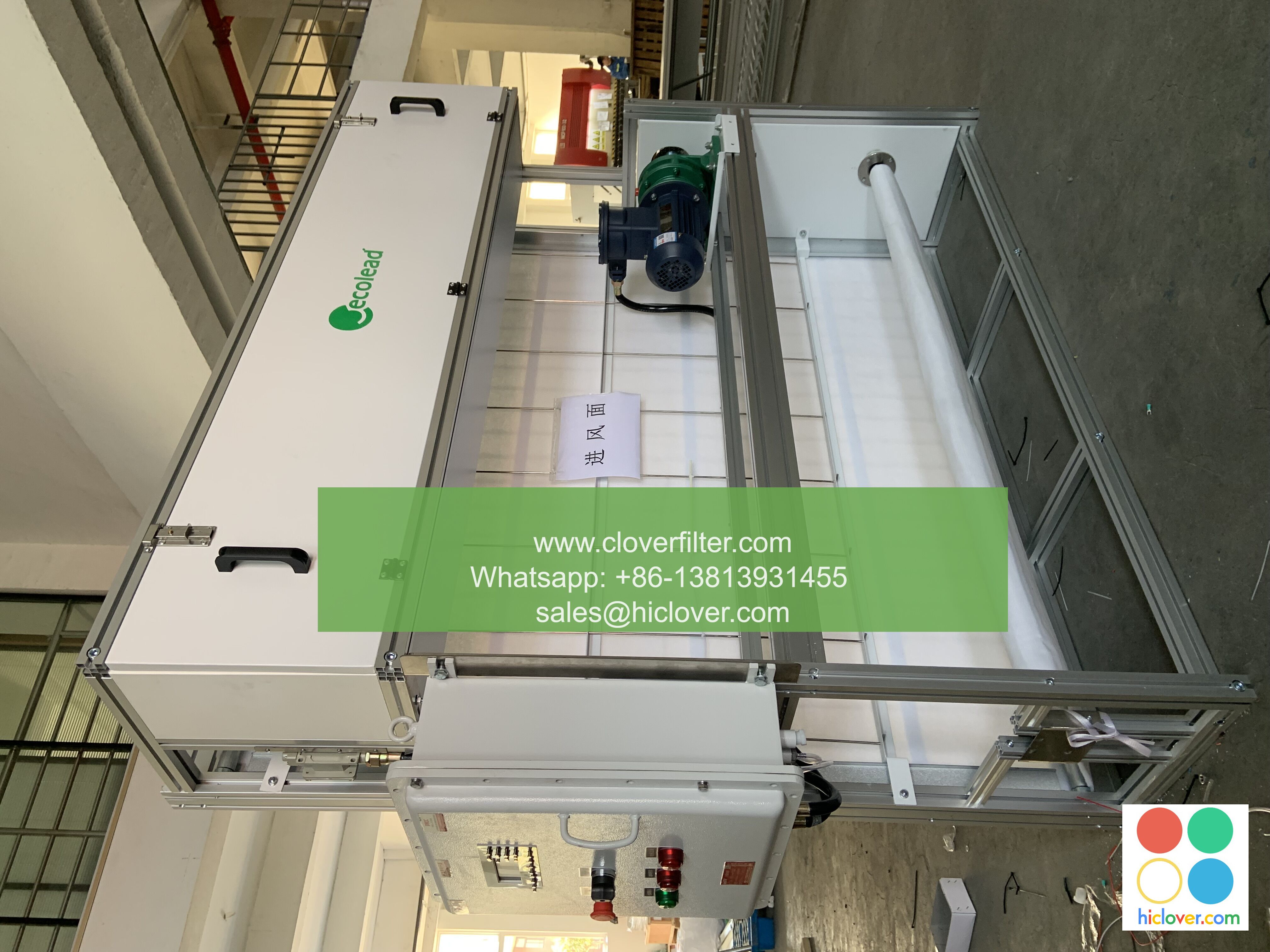
The Role of IoT Devices in Air Filtration
IoT devices are interconnected gadgets that communicate with each other via the internet. In the context of air filters, these devices help in continuous monitoring and provide real-time data on air quality. Here’s how IoT devices enhance air filtration systems:
1. Real-Time Monitoring
IoT-enabled air filters can continuously monitor air quality metrics. This data can be accessed via smartphone applications or cloud platforms, providing users with real-time insights into the air they are breathing.
2. Predictive Maintenance
With the integration of IoT sensors, air filters can track their own performance. For instance, data on the filter’s usage, air quality, and environmental conditions can predict when a filter needs to be replaced, thereby improving maintenance routines and reducing downtime.
3. Automated Adjustments
Some advanced air filters equipped with IoT technology can automatically adjust their performance based on air quality readings. For example, if a sudden spike in pollutants is detected, the system can increase its fan speed or filter settings to address the issue more effectively.
4. Enhanced User Engagement
IoT devices allow users to engage with their air filtration systems in new ways. Users can receive alerts on low air quality or filter replacement needs, schedule maintenance, and even control their devices remotely. This level of interaction enhances user awareness and involvement in maintaining air quality.
Application Areas of IoT Air Filter Data
The integration of IoT technology with air filtration systems has broad implications across various sectors:
1. Residential Use
Smart home devices like IoT-enabled air purifiers help homeowners maintain a healthy indoor environment. By monitoring pollutants, these devices educate users about their air quality and suggest optimal settings or filter replacements.
2. Commercial Buildings
In offices and retail spaces, maintaining air quality is essential not just for health but also for productivity and customer satisfaction. IoT air filters can streamline air quality management, reduce energy costs, and ensure compliance with health regulations.
3. Healthcare Facilities
In hospitals and clinics, clean air is vital to prevent infection and maintain patient comfort. IoT-equipped air filters can provide continuous data on air quality, helping medical facilities maintain stringent hygiene standards.
4. Industrial Applications
In manufacturing plants where airborne contaminants are prevalent, IoT air filters can help monitor and control hazardous air conditions effectively, thereby ensuring employee safety and environmental compliance.
Conclusion
The integration of IoT technology in air filtration systems is revolutionizing how we approach air quality management. Through real-time monitoring, predictive maintenance, and enhanced user engagement, IoT devices provide invaluable insights that can lead to improved health outcomes and better air quality across various application areas. As technology continues to evolve, the potential for smarter, more efficient air filters will only expand, paving the way for a cleaner, healthier future.
By harnessing the capabilities of IoT devices, we can not only improve our air quality but also gain greater control over our environment, making it safer and more comfortable for all. As awareness of air pollution continues to rise, the role of these technologies will undoubtedly take center stage in our quest for clean air.
Sure! What kind of prompt are you looking for? It could be for writing, art, a discussion topic, or something else entirely. Let me know so I can assist you accordingly!
