Air Filter Data-Driven Decision Making for Facility Managers
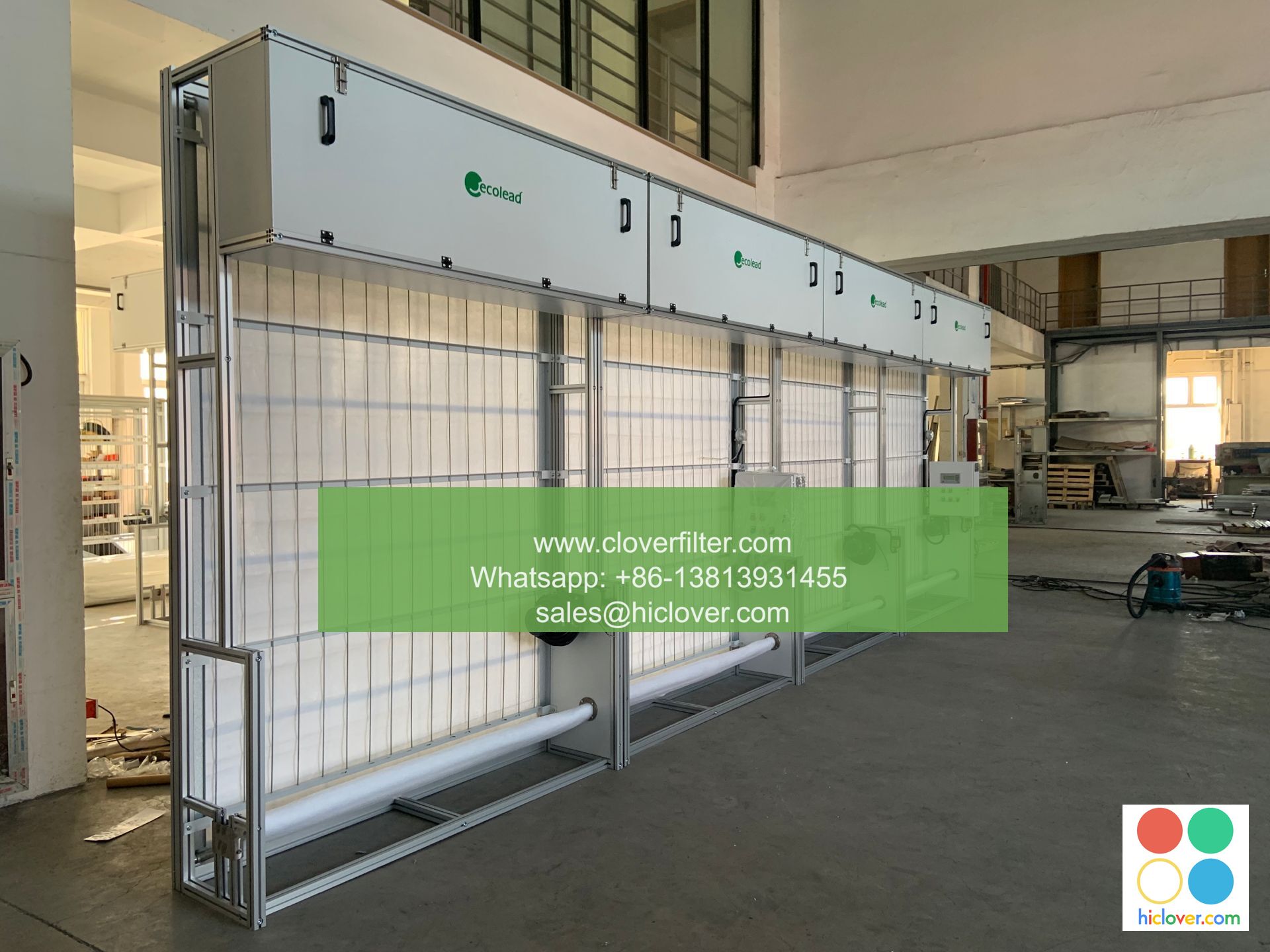
As a facility manager, making informed decisions about air filter maintenance and replacement is crucial to ensure optimal indoor air quality, reduce energy costs, and prolong the lifespan of HVAC systems. With the advent of advanced technologies and data analytics, facility managers can now leverage air filter data-driven decision making to optimize their maintenance strategies. In this article, we will explore the various application areas and benefits of data-driven decision making in air filter management, including predictive maintenance, energy efficiency, and indoor air quality monitoring.
Introduction to Air Filter Data-Driven Decision Making
Air filter data-driven decision making involves the collection and analysis of data from various sources, including air quality sensors, temperature and humidity sensors, and energy meters. This data is then used to identify trends, patterns, and anomalies in air filter performance, allowing facility managers to make informed decisions about maintenance, replacement, and upgrades. By adopting a data-driven approach, facility managers can move away from traditional reactive maintenance strategies, which often result in unnecessary repairs and replacements, and towards proactive maintenance strategies that prioritize prevention and optimization.
Application Areas of Air Filter Data-Driven Decision Making
Air filter data-driven decision making has numerous application areas, including:
* Filter replacement optimization: By analyzing data on air filter performance, facility managers can determine the optimal replacement schedule for their filters, reducing waste and minimizing the risk of filter failure.
* Energy efficiency optimization: By monitoring energy consumption and air filter performance, facility managers can identify opportunities to reduce energy waste and optimize HVAC system performance.
* Indoor air quality monitoring: By tracking indoor air quality metrics, such as particulate matter, volatile organic compounds, and carbon dioxide, facility managers can identify areas for improvement and implement targeted strategies to enhance indoor air quality.
* Predictive maintenance: By analyzing data on air filter performance and HVAC system operation, facility managers can predict when maintenance is required, reducing downtime and extending the lifespan of equipment.
Benefits of Air Filter Data-Driven Decision Making
The benefits of air filter data-driven decision making are numerous and include:
* Cost savings: By optimizing filter replacement and energy consumption, facility managers can reduce costs and minimize waste.
* Improved indoor air quality: By monitoring and optimizing indoor air quality, facility managers can create a healthier and more comfortable environment for occupants.
* Extended equipment lifespan: By adopting proactive maintenance strategies, facility managers can extend the lifespan of HVAC equipment and reduce the risk of premature failure.
* Enhanced decision making: By leveraging data and analytics, facility managers can make informed decisions about air filter maintenance and replacement, reducing the risk of errors and improving overall facility performance.

Conclusion
Air filter data-driven decision making is a powerful tool for facility managers, offering numerous benefits and application areas. By leveraging advanced technologies and data analytics, facility managers can optimize air filter maintenance and replacement, reduce energy costs, and enhance indoor air quality. As the demand for energy efficiency, sustainability, and indoor air quality continues to grow, air filter data-driven decision making is poised to play an increasingly important role in facility management. By adopting a data-driven approach, facility managers can stay ahead of the curve and create a healthier, more sustainable, and more efficient facility for occupants. It seems like you’re looking for something, but you haven’t specified what that is. Could you please provide more details or clarify your request? I’m here to help with information, answer questions, or even engage in conversation on a wide range of topics.
