Air Filter Design and Configuration for HVAC Systems: A Documentation Guide
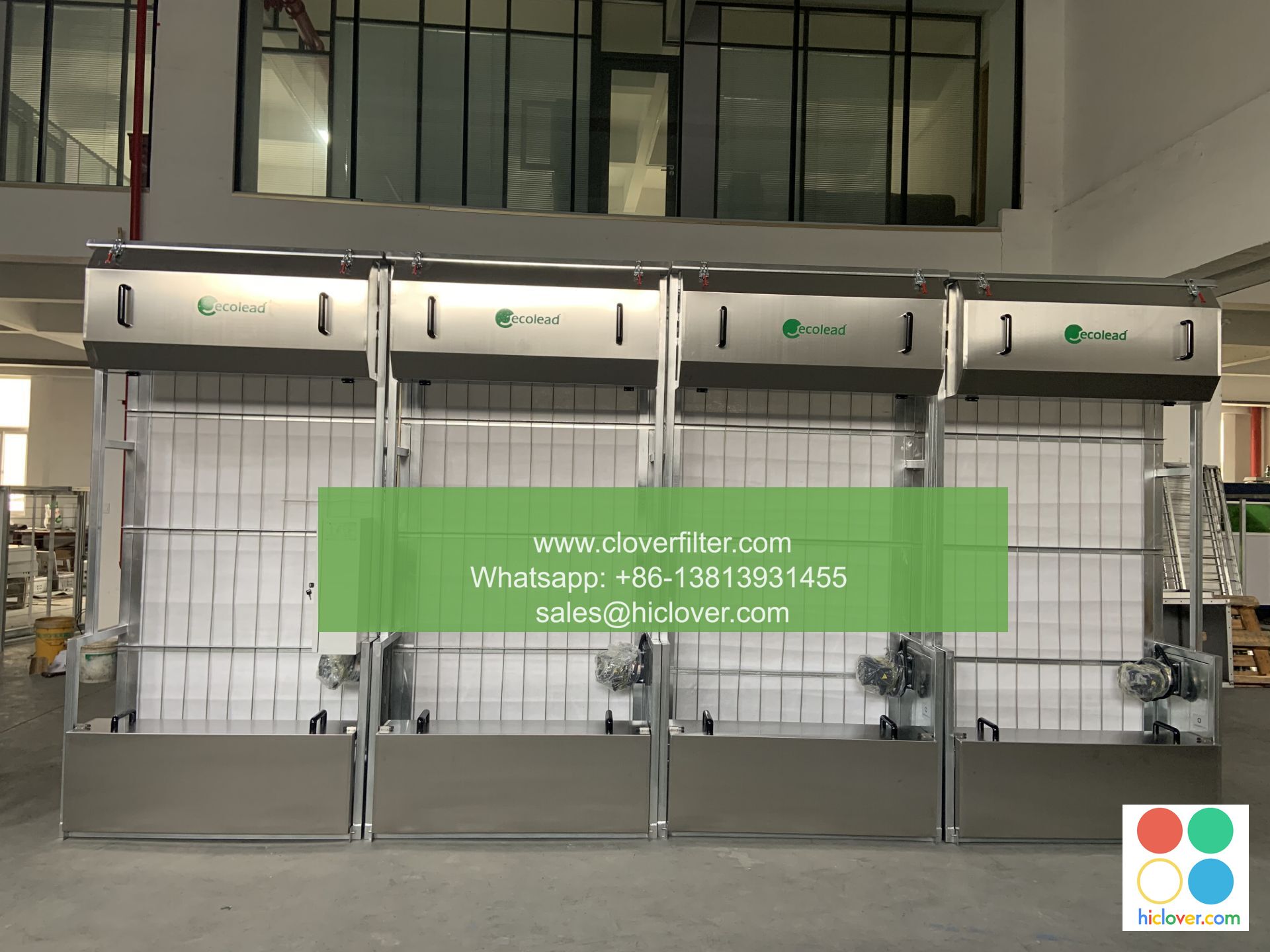
In the modern age, air quality is more vital than ever, especially inside controlled environments like residential, commercial, and industrial spaces. Effective air filtration is a crucial factor in HVAC (Heating, Ventilation, and Air Conditioning) systems. This comprehensive guide will explore air filter design and configuration for HVAC systems, highlighting various application areas and providing essential documentation considerations.
1. Understanding Air Filters in HVAC Systems

Air filters play a pivotal role in maintaining indoor air quality (IAQ). They trap airborne particles, allergens, and pollutants, ensuring that the air circulated within a space is clean and safe. The design and configuration of air filters influence not only air quality but also the efficiency and longevity of HVAC systems.
1.1. Types of Air Filters
- Fiberglass Filters: These are the most common and cost-effective filters used in residential systems. They capture larger particles but are less effective against smaller allergens.
- Pleated Filters: Made of polyester or cotton, pleated filters offer a larger surface area for capturing particles, making them more efficient without significantly impacting airflow.
- HEPA Filters: High-Efficiency Particulate Air (HEPA) filters trap at least 99.97% of particles that are 0.3 microns or larger. They are ideal for applications needing high purity, such as hospitals and laboratories.
- Electrostatic Filters: These filters use static electricity to catch particles, providing superior filtration compared to traditional options.
- Activated Carbon Filters: Primarily used to remove odors and volatile organic compounds (VOCs), activated carbon filters can be essential in spaces sensitive to air quality.
- Residential: MERV 8-12 filters are typically sufficient for most home HVAC systems.
- Commercial: MERV 13-15 filters are often required in office buildings to meet IAQ standards.
- Industrial: MERV 16 and above filters are necessary for environments such as clean rooms in pharmaceuticals and manufacturing.
- Filter type and MERV rating
- Dimensions and physical specifications
- Performance data (pressure drop, lifespan)
- Replacement frequency based on usage conditions
- Cleaning methods for reusable filters
- Inspection protocols
- ASHRAE standards
- LEED certification requirements
- Local building codes

2. Design Considerations for Air Filters
When designing air filters for HVAC systems, several key parameters must be evaluated:
2.1. Filtration Efficiency
Understanding the Minimum Efficiency Reporting Value (MERV) rating is crucial. MERV ratings range from 1 to 16, with higher numbers indicating better filtration efficiency. The selection depends on the specific applications:
2.2. Airflow Resistance
The design must balance filtration efficiency with airflow resistance. High-efficiency filters often impede airflow, which can reduce HVAC system performance. Ensuring that filters are designed with appropriate thickness and pleating can optimize airflow.
2.3. Filter Size and Configuration
Air filters must be compatible with the HVAC system’s dimensions. Customizing air filter sizes can ensure a proper fit and maximize the area available for filtration.
3. Documentation for Filter Configuration
3.1. Specification Sheets
For efficient communication between engineering, procurement, and installation teams, detailed specification sheets must exist. These should include:
3.2. Maintenance Guidelines
Regular maintenance is critical for filter performance. Documentation should specify:
3.3. Compliance Standards
It’s essential to adhere to local and international air quality standards. Documentation should reference compliance with:
4. Application Areas for HVAC Air Filter Systems
The versatility of air filters extends to various sectors, each with unique requirements for efficiency and effectiveness:
4.1. Residential
Homeowners increasingly seek advanced filtration systems to combat indoor air pollutants. Energy-efficient filters not only enhance air quality but also reduce energy costs.
4.2. Commercial Spaces
Businesses need to provide a safe and comfortable environment for employees and customers. High-performance filters can diminish sick building syndrome effects while maintaining energy efficiency.
4.3. Industrial Applications
Industries such as pharmaceuticals, food processing, and electronics have strict cleanliness standards. Specialized filters are needed to control particulate levels effectively.
4.4. Healthcare Facilities
Hospitals and clinics require HEPA filters and additional layers of filtration to prevent the spread of infections and maintain sterile environments, emphasizing the critical role of air filters in public health.
Conclusion
Effective air filter design and configuration for HVAC systems is vital to improving indoor air quality across various applications. By understanding the types of filters available and their design considerations, professionals can make informed decisions that enhance system performance, comply with regulations, and improve the overall environment. Proper documentation supports these efforts and ensures sustained quality and efficiency in air filtration practices, leading to healthier indoor spaces.
This guide serves as an essential resource for engineers, consultants, and HVAC professionals looking to navigate the complexities of air filter design. By prioritizing air quality through diligent filter selection and configuration, we can contribute to healthier living and working environments.
It seems like your message was cut off. Could you please provide more context or specify what you would like help with? Whether it’s a writing prompt, question, or something else, I’m here to assist!
