Air Filter Design for Cleanrooms: Ensuring Contamination Control
Key Takeaways:
- Understanding air filter design is crucial for contamination control.
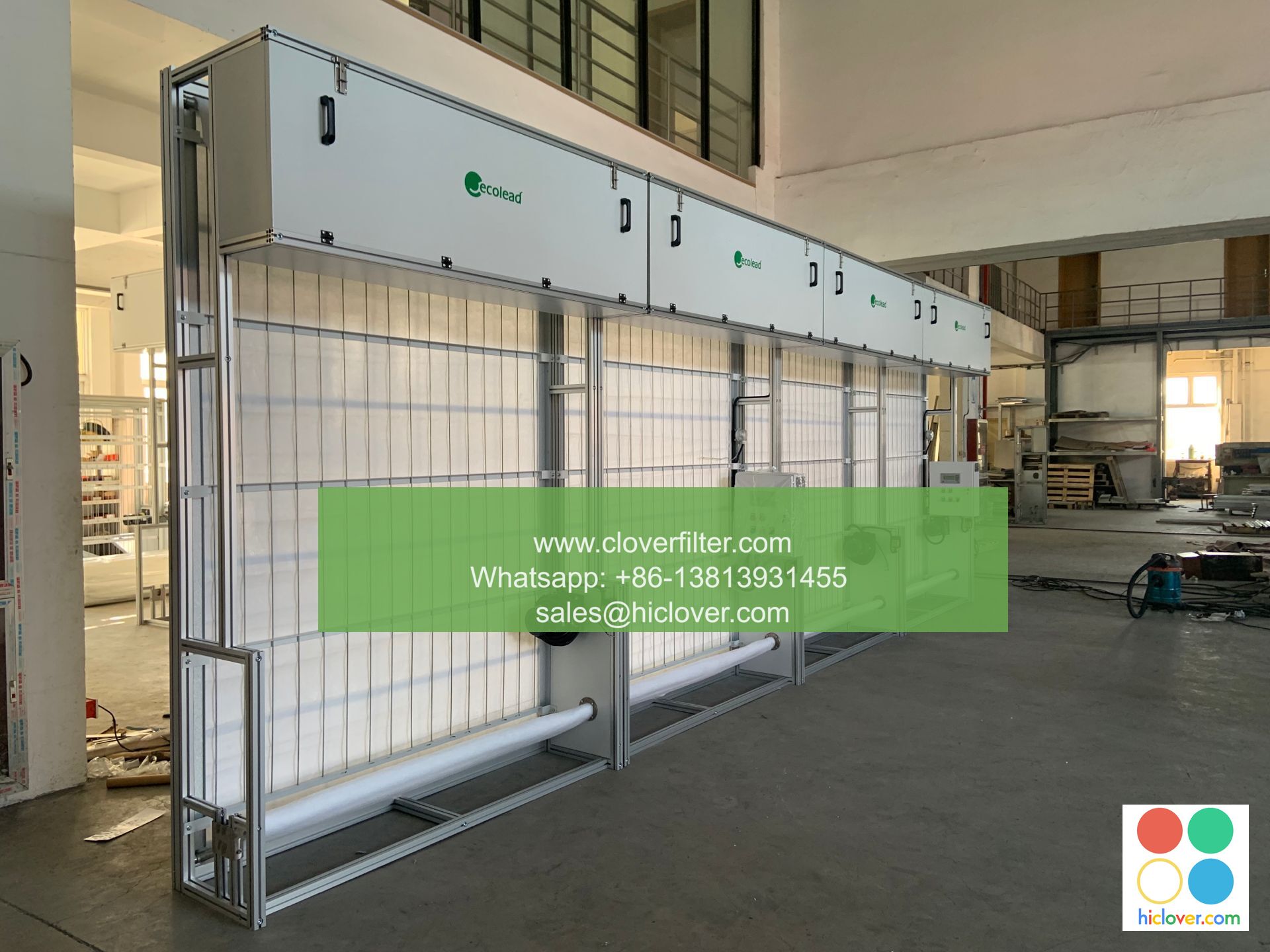
- Automatic Roll Air Filters enhance efficiency in cleanroom environments.
- Selecting the right airflow range and media type is key to performance.
- Maintenance reduction and energy savings are significant benefits.
- Compliance with standards like ISO 16890 can improve system reliability.
- The right design can minimize pressure drop and maximize air quality.
- Airflow Range: Ensure the filter can handle the expected airflow for your application.
- Face Velocity: Optimize face velocity to balance filtration efficiency and energy consumption.
- Media Width/Length: Match these dimensions accordingly to fit your system’s design.
- Frame Size: Select a compatible frame that integrates seamlessly with existing systems.
- Control Options: Determine whether automatic or manual control fits your operational needs.
- Power Supply: Verify voltage requirements for the roll filter’s operation.
- Installation Location: Identify the best location – whether it’s at the fresh air intake, return, or process airflow.
- Neglecting Airflow Calculations: Always calculate the required airflow to match filter capacity.
- Ignoring Pressure Drop: Assess pressure drop to prevent system strain.
- Choosing Incompatible Sizes: Ensure dimensions fit properly within existing frameworks.
- Overlooking Maintenance Needs: Account for how often filters will need replacing.
- Not Considering Media Type: Different media types affect particle retention; choose wisely.
- Mismatching Filter Location: Position filters effectively for optimal performance.
- Disregarding Environmental Factors: Adapt filter design based on specific environmental conditions.
- Data Center: In a data center, an Automatic Roll Air Filter installed at the fresh air intake minimized dust accumulation on server units, improving cooling efficiency and ensuring uptime.
- Lithium Battery Factory: In a lithium battery manufacturing environment, particulate control was enhanced, mitigating risks associated with flammability and chemical contamination, providing a safer workspace.
- Paint Shop: The automatic filtering system significantly reduced overspray particulate matter in a paint booth, resulting in better product finishes and lower instance of defective outputs.
- Textile/Steel/Cement Plant: In a high-density particulate environment, these filters ensured compliance with health and safety regulations, contributing to a cleaner and healthier workspace.
Understanding Automatic Roll Air Filter
Air filter design plays a pivotal role in maintaining a contaminant-free environment in cleanrooms and industrial facilities. An Automatic Roll Air Filter is a modern solution to effectively control particulate matter, ensuring the integrity of sensitive processes. This filter operates using a roll media advance logic, where the filter media is continuously rolled into position, driven by a differential pressure trigger. When the pressure differential reaches a set threshold, the filter automatically rolls forward, presenting a fresh segment of media for filtration.

This advanced filtering mechanism is particularly valuable in HVAC systems, specifically in Air Handling Units (AHUs) where efficient filtration is paramount, such as fresh air intake and return air applications. The timer mode feature allows for scheduled media replacement, ensuring that air quality remains consistently high.
Practical Selection Guide for Filters
When selecting an Automatic Roll Air Filter, it’s essential to consider various factors:
Comparison of Filter Types
| Filter Type | Best Use Case | Maintenance | Pressure Drop Behavior | Operating Cost | Typical Risk/Downside |
|---|---|---|---|---|---|
| Automatic Roll Filter | Cleanrooms, data centers | Low | Low to moderate | Moderate | Initial cost can be high |
| Bag Filter | General HVAC applications | Moderate to high | Moderate | Higher | Requires frequent replacement |
| Panel Filter | Small systems | Low | Low | Low | Limited efficiency in high loads |
| V-bank | High airflow environments | Moderate | High | Higher | Larger footprint needed |
Common Mistakes & How to Avoid Them
Real-World Scenarios
Compliance and Standards
When considering air filter design, awareness of compliance frameworks such as ISO 16890 and MERV ratings can be helpful for guiding choices. While specific certifications are available on request, understanding these standards can aid in making informed decisions related to filtration effectiveness and air quality management.
Automatic Roll Air Filters from CloverFilter are designed to support your compliance needs while enhancing operational efficiency.
For more information on air filter design and options tailored to your facility, you can explore the offerings at CloverFilter.
Meta Description: Explore how air filter design for cleanrooms ensures contamination control. Learn about Automatic Roll Filters and optimize your air quality today.
When you’re ready to implement effective air filtration solutions, reach out to CloverFilter at CloverFilter Contact. Ensure your environments maintain the highest cleanliness standards with cutting-edge air filter technologies.
It seems like your message got cut off. Could you please provide more details or clarify what you’re looking for? Whether it’s a writing prompt, a question, or something else, I’m here to help!
