Air Filter Design for Hospital and Healthcare Applications
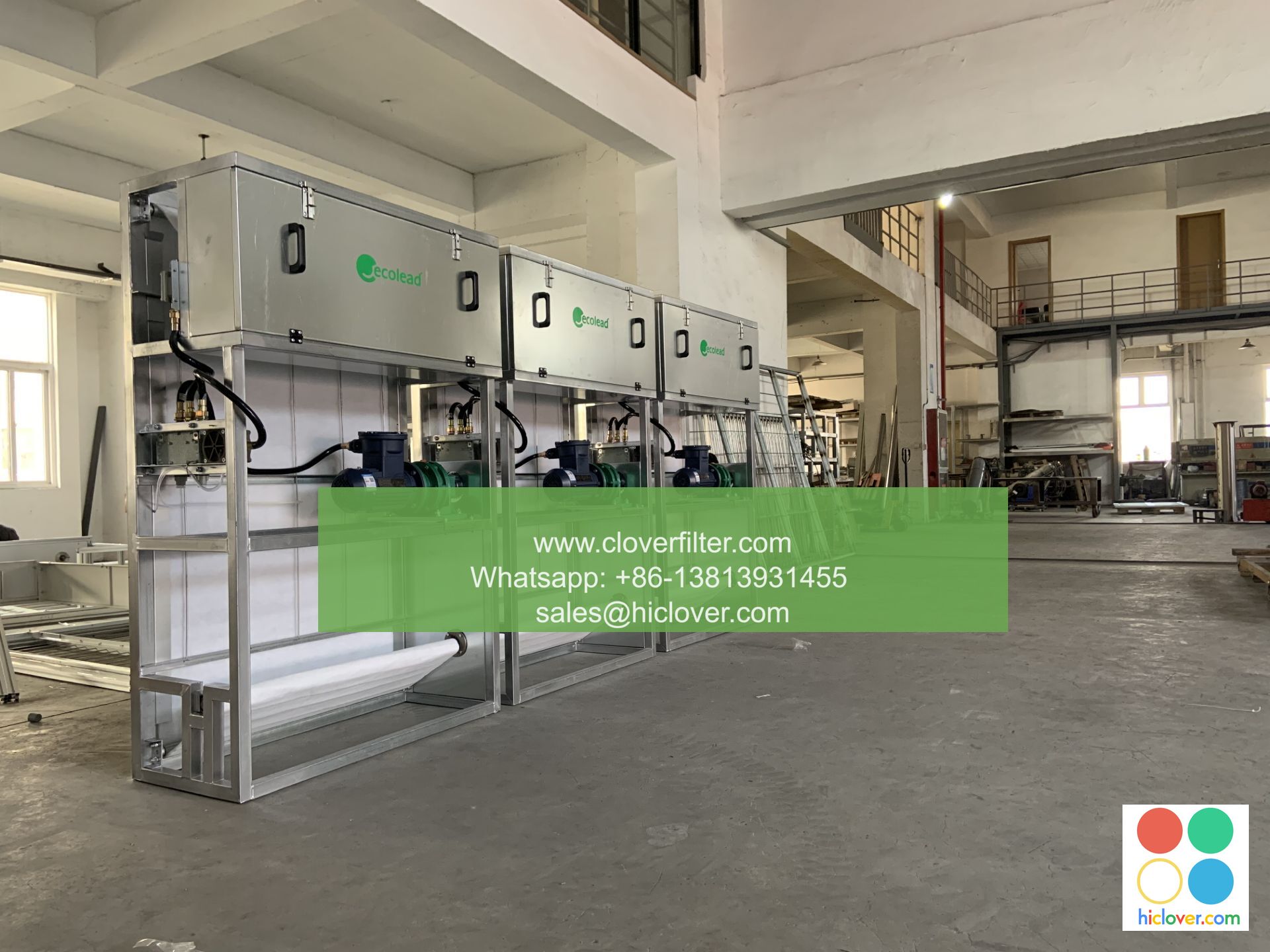
The importance of air quality in hospital and healthcare environments cannot be overstated. Airborne pathogens and pollutants pose significant risks in these sensitive settings, making the design of effective air filters crucial. This article delves into the design principles, materials used, and applications of air filters specifically tailored for healthcare facilities.
Understanding the Need for Air Filters in Healthcare
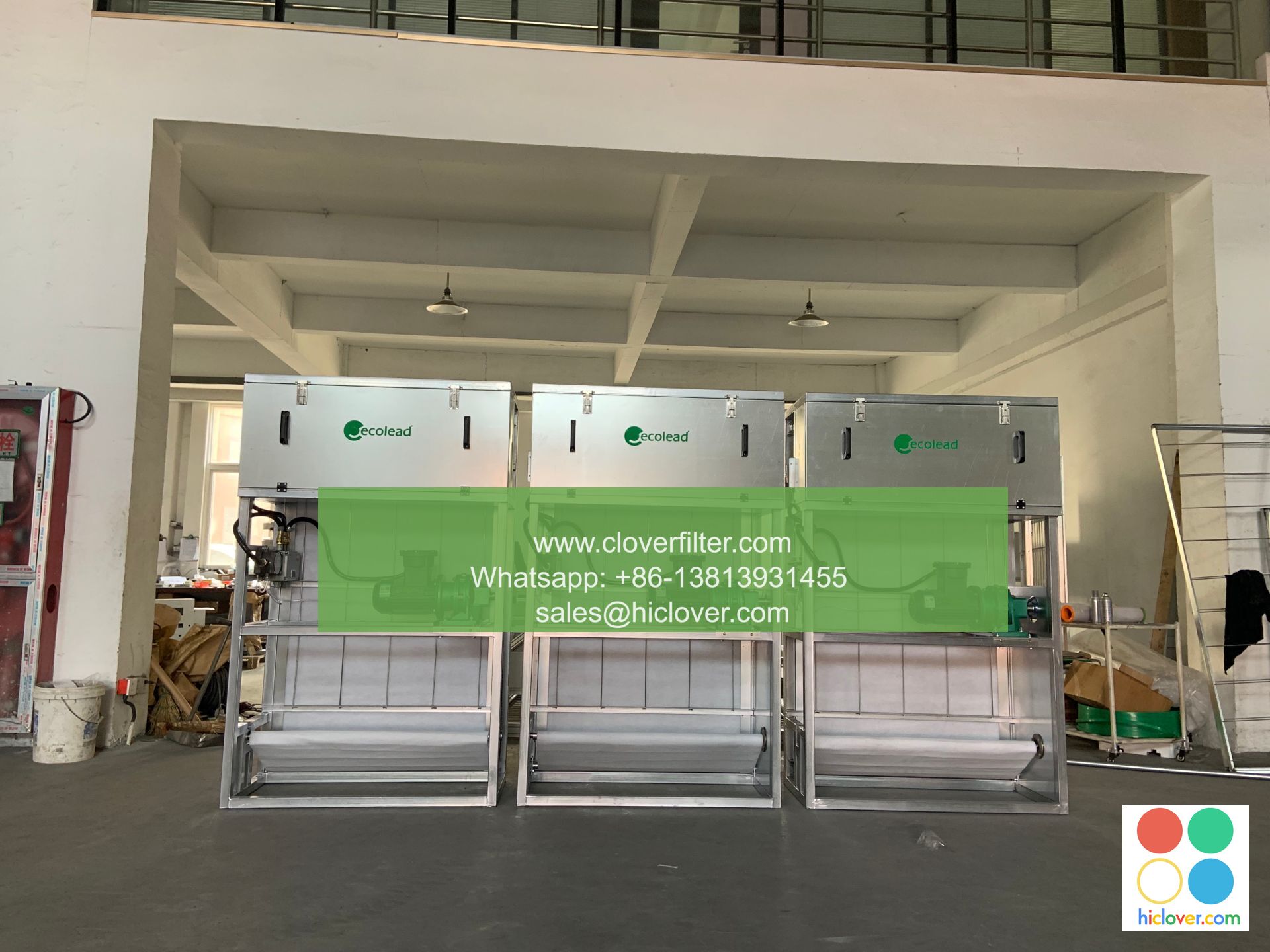
Healthcare facilities are unique environments where the protection of patients, staff, and visitors is paramount. Airborne infections, such as tuberculosis, measles, and COVID-19, necessitate the implementation of advanced air filtration systems. These systems not only help in controlling the spread of infectious diseases but also in purifying the air to enhance overall patient comfort and recovery.
Key Design Features of Healthcare Air Filters
1. Filtration Efficiency
One of the primary considerations in air filter design is filtration efficiency. Filters are rated according to their ability to remove particulate matter and pathogens from the air. High-efficiency particulate air (HEPA) filters, for instance, can remove 99.97% of particles as small as 0.3 microns, making them an integral part of surgical theaters and isolation rooms.
2. Air Changes per Hour (ACH)
Another critical design aspect is the Air Changes per Hour (ACH), which refers to the number of times the air within a defined space is replaced in one hour. In high-risk areas, such as operating rooms, a higher ACH rate is desired to maintain low levels of airborne contaminants.

3. Material Selection
The materials used in air filters for healthcare applications are crucial for their performance and durability. Common materials include:
- Glass fiber – Widely used in HEPA filters for its superior filtration capabilities.
- Electrostatic media – Enhances particle capture efficiency.
- Activated carbon – Effective in eliminating odors and volatile organic compounds (VOCs).
Applications of Air Filters in Healthcare Settings
1. Operating Rooms
In operating theaters, maintaining a sterile environment is essential. Air filters designed for these areas must provide optimal filtration while allowing for sufficient airflow, thus ensuring that surgical teams and patients are safeguarded from airborne infections.
2. Patient Rooms
In patient rooms, air filters help provide a comfortable healing environment. Filters equipped with HEPA technology are standard in these settings to reduce infection risks while enhancing air quality.
3. Critical Care Units
In critical care units, such as ICUs, specialized filtration systems are necessary due to the vulnerability of patients. These filters not only assist in infection control but also help maintain overall air quality, reducing patient stress and promoting recovery.
4. Laboratories
Laboratories in hospitals require stringent air quality measures to prevent laboratory-acquired infections. Advanced filtration systems with biohazard containment capabilities ensure a safe environment for laboratory staff and prevent cross-contamination.
Future Trends in Air Filter Design for Healthcare
The future of air filter design in healthcare is moving towards the integration of smart technologies and real-time monitoring systems. Innovations such as indoor air quality sensors will provide instant feedback, enabling healthcare facilities to adapt their air filtration methods dynamically. Additionally, advancements in nanotechnology may lead to the development of even more efficient filtering systems.
Conclusion
The role of air filters in healthcare settings cannot be underestimated. With the advancement of technology and heightened awareness regarding airborne diseases, the design and implementation of effective air filtration systems are more critical than ever. Enhanced air quality not only protects patients and staff but also leads to better healthcare outcomes and improved patient experiences.
It seems like you might have a specific request or topic in mind but haven’t provided the details yet. Could you please share more about what you need? For example, are you looking for writing prompts, a creative idea, assistance with a specific topic, or something else? Let me know how I can help!
