Air Filter Design for HVAC System Retrofits for Industrial Applications
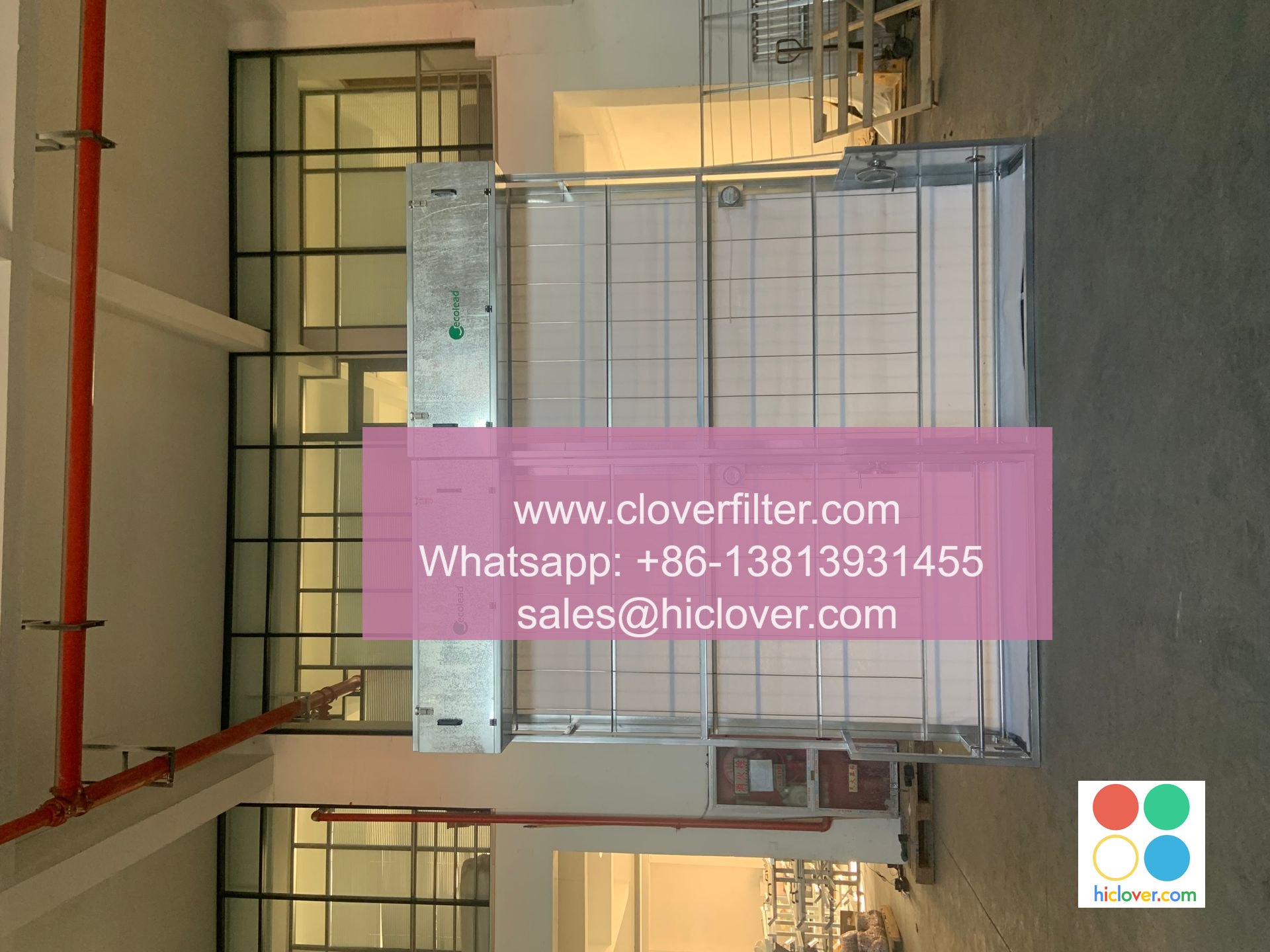
The importance of proper air filtration in industrial settings cannot be overstated. As companies continue to retrofit their Heating, Ventilation, and Air Conditioning (HVAC) systems to improve efficiency and reduce costs, air filter design plays a critical role in maintaining a healthy and safe environment for employees, equipment, and processes. In this article, we will delve into the world of air filter design for HVAC system retrofits in industrial applications, highlighting various application areas and key considerations.
Industrial Air Filtration Challenges
Industrial facilities present unique air filtration challenges due to the presence of airborne contaminants, such as dust, pollen, and other particulate matter. These contaminants can come from various sources, including manufacturing processes, equipment, and outdoor airflow. Effective air filter design must take into account the specific needs of each industrial application, including high-efficiency particulate air (HEPA) filtration, ultra-low penetration air (ULPA) filtration, and gas-phase filtration.
Air Filter Types and Applications
There are several types of air filters used in industrial HVAC system retrofits, each with its own strengths and weaknesses. Some of the most common include:
– Pleated Air Filters: Suitable for general ventilation applications, pleated air filters offer a high surface area for particulate capture and are often used in industrial air purification systems.
– Bag Air Filters: Designed for high-dust applications, bag air filters are commonly used in industrial dust collection systems and powder handling applications.
– HEPA Air Filters: Required for applications where high-efficiency filtration is necessary, such as in pharmaceutical manufacturing, food processing, and cleanroom environments.
– Activated Carbon Air Filters: Used for gas-phase filtration, activated carbon air filters are effective in removing volatile organic compounds (VOCs) and other gases from industrial air streams.
Key Considerations for Air Filter Design
When designing air filters for HVAC system retrofits in industrial applications, several key factors must be considered, including:
– Airflow Rates: The air filter must be designed to handle the required airflow rates without excessive pressure drop or energy consumption.
– Particulate Load: The air filter must be able to capture the required amount of particulate matter, taking into account the size and type of particles present.
– Filter Maintenance: The air filter design should allow for easy maintenance and replacement, minimizing downtime and reducing labor costs.
– Energy Efficiency: The air filter design should optimize energy efficiency, reducing the overall energy consumption of the HVAC system.

Application Areas for Air Filter Design
Air filter design for HVAC system retrofits is crucial in various industrial application areas, including:
– Industrial Manufacturing: Air filters are used to remove airborne contaminants and improve indoor air quality in manufacturing facilities.
– Food Processing: Air filters are designed to meet strict hygiene and sanitation standards in food processing environments.
– Pharmaceutical Manufacturing: Air filters play a critical role in maintaining cleanroom environments and ensuring the quality of pharmaceutical products.
– Power Generation: Air filters are used to protect equipment and improve efficiency in power generation facilities.
Conclusion
In conclusion, air filter design is a critical component of HVAC system retrofits in industrial applications. By understanding the unique challenges and requirements of each industrial application, air filter designers can create effective solutions that improve indoor air quality, reduce energy consumption, and minimize maintenance costs. Whether it’s HEPA filtration, ULPA filtration, or gas-phase filtration, the right air filter design can make a significant difference in the performance and efficiency of industrial HVAC systems. It looks like you haven’t provided a prompt or question for me to respond to. Please go ahead and ask me anything, and I’ll do my best to provide a helpful and informative answer.
