Air Filter Design for Optimal Performance: A Computational Study
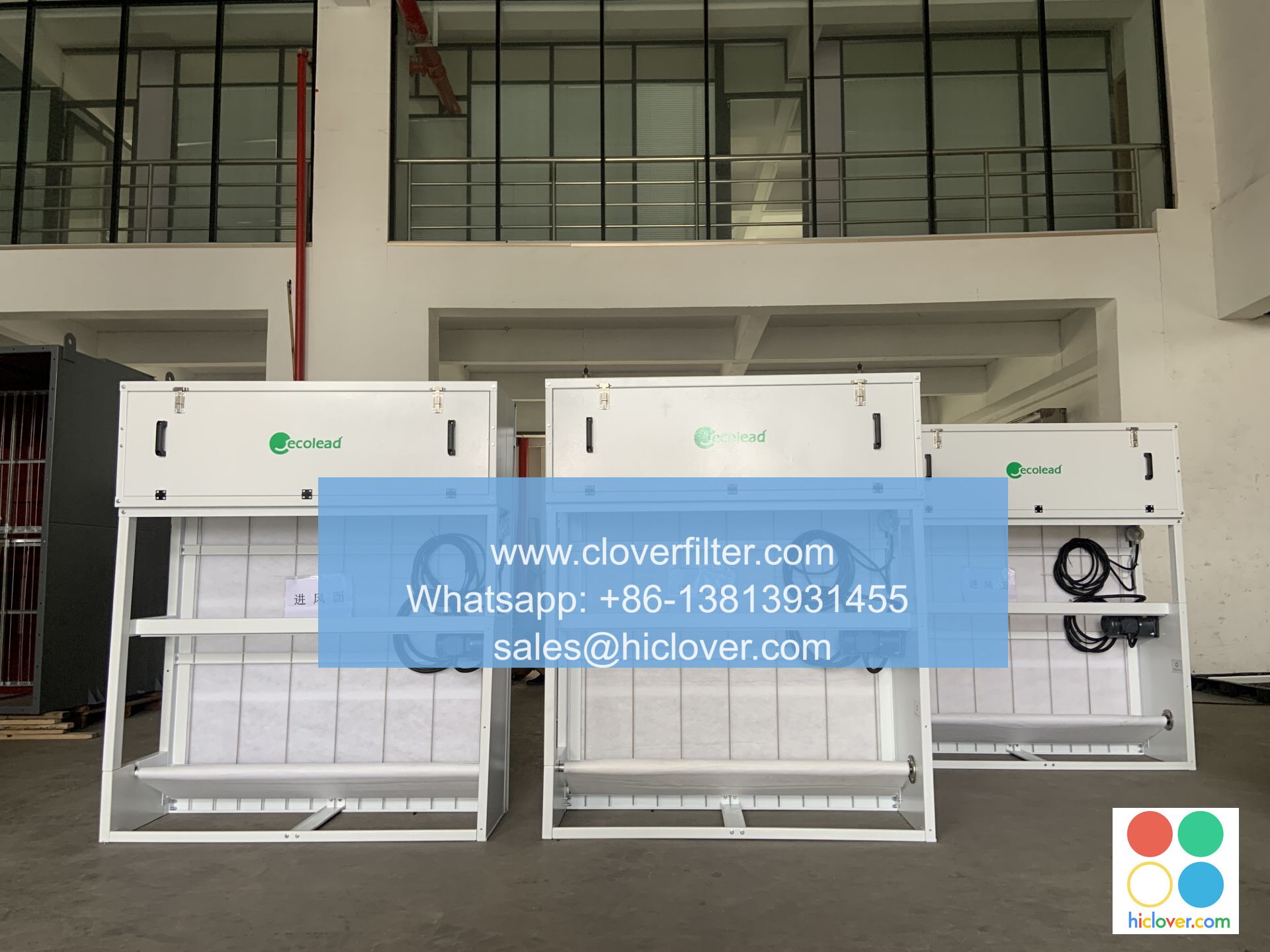
Air filtration systems play a crucial role in maintaining indoor air quality, removing airborne pollutants, and improving overall health and comfort. The design of air filters is a critical aspect of these systems, as it directly affects their performance, efficiency, and effectiveness. In this article, we will discuss the importance of air filter design and explore the use of computational methods to optimize their performance.
Introduction to Air Filter Design
Air filters are designed to capture airborne particles, such as dust, pollen, and other contaminants, from the air. The design of air filters involves careful consideration of various factors, including filter media, filter geometry, and flow characteristics. The filter media, typically made of fibrous materials or membranes, is responsible for capturing particles, while the filter geometry and flow characteristics affect the pressure drop and filtration efficiency of the filter.
Computational Methods for Air Filter Design
Computational fluid dynamics (CFD) and finite element methods (FEM) are powerful tools used to simulate and optimize air filter design. These methods allow researchers to model and analyze the aerodynamic and thermodynamic behavior of air filters, taking into account factors such as particle size distribution, filter porosity, and flow velocity. By using computational methods, designers can virtually test and optimize air filter designs, reducing the need for physical prototypes and experimental testing.
Application Areas of Optimized Air Filter Design
Optimized air filter design has numerous applications in various fields, including:
* Indoor air quality improvement: Optimized air filters can effectively remove airborne pollutants, such as particulate matter (PM), volatile organic compounds (VOCs), and microorganisms, improving indoor air quality and promoting public health.
* Industrial processes: Optimized air filters can be used in various industrial applications, such as cleanroom technology, pharmaceutical manufacturing, and food processing, to maintain ultra-clean environments and prevent contamination.
* Transportation systems: Optimized air filters can be used in aircraft, automobiles, and public transportation systems to improve cabin air quality and reduce the risk of airborne disease transmission.
* Medical facilities: Optimized air filters can be used in hospitals and clinics to prevent the spread of airborne diseases and maintain a sterile environment for patients and medical staff.

Conclusion
In conclusion, air filter design is a critical aspect of air filtration systems, and computational methods can be used to optimize their performance. By considering various factors, such as filter media, geometry, and flow characteristics, designers can create optimized air filters that effectively remove airborne pollutants and improve indoor air quality. The application areas of optimized air filter design are diverse, ranging from indoor air quality improvement to industrial processes, transportation systems, and medical facilities. As the demand for clean air and healthy environments continues to grow, the importance of optimized air filter design will only continue to increase.
Future Research Directions
Future research directions in air filter design may include:
* Nanofiber-based air filters for improved filtration efficiency and reduced pressure drop
* Smart air filters with integrated sensors and monitoring systems for real-time performance tracking
* Sustainable air filter materials and recyclable filter media for reduced environmental impact
* Multi-scale modeling and simulation of air filter performance, from microscopic to macroscopic scales. It looks like you’re ready to start a conversation or ask a question, but you haven’t given me a specific prompt yet. What’s on your mind? Do you have a topic you’d like to discuss, a question you need help with, or perhaps a creative idea you’d like to explore? I’m here to help with information, suggestions, or just to chat!
