Air Filter Design for Optimal Performance in High-Pressure Environments
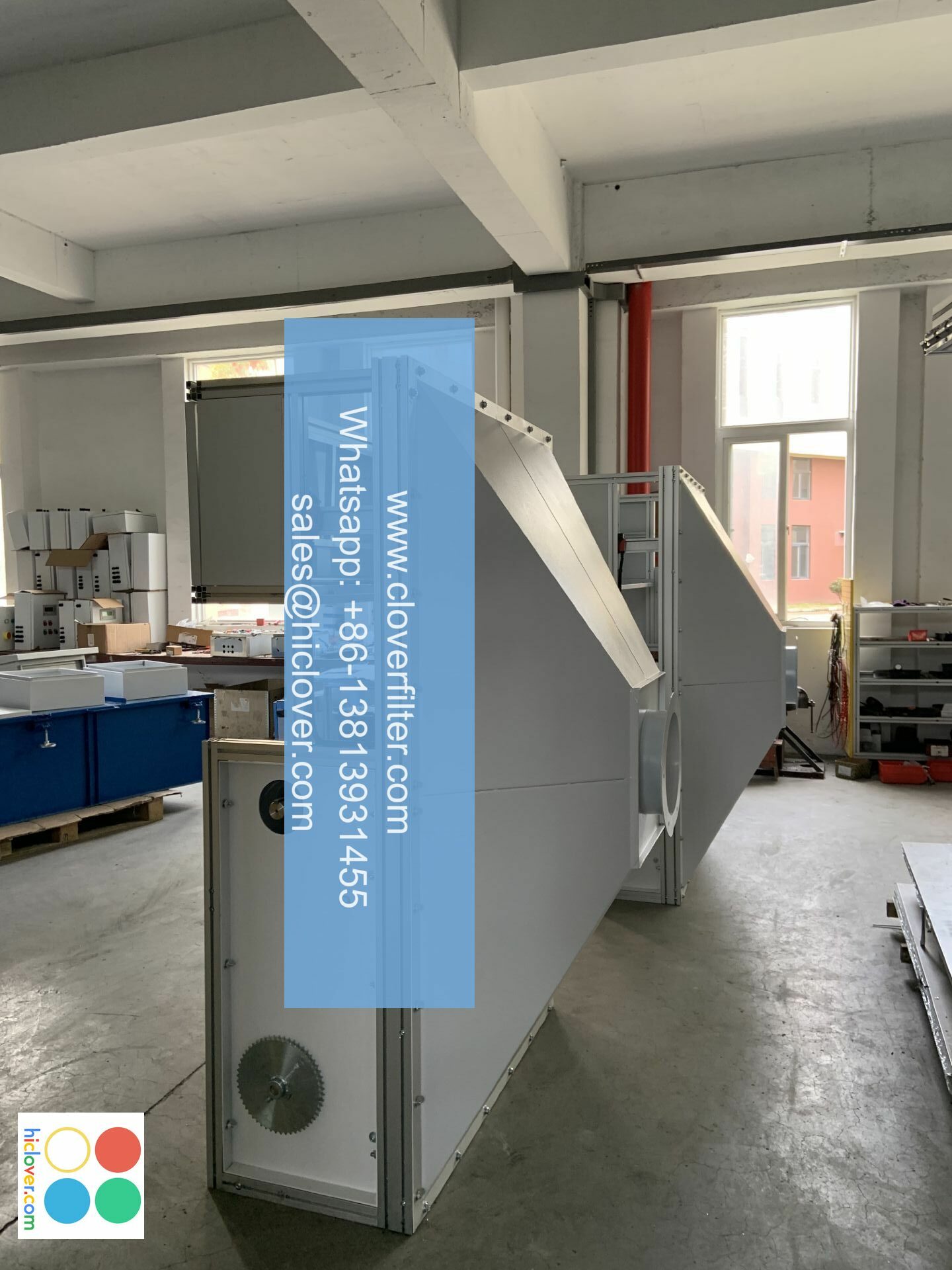
Air filters are crucial components in a variety of industrial applications, especially when it comes to environments with high pressure. The efficiency and longevity of air filtration systems in such challenging conditions are determined by their design. This article delves into the principles of air filter design, key considerations for high-pressure applications, and the varying fields where these filters play a vital role.
Understanding High-Pressure Environments

High-pressure environments are typically characterized by increased temperature, humidity, and particle loading. These conditions can be found in various industries such as:
- Manufacturing: High-speed production lines often generate considerable dust and particulate matter.
- Aerospace: Aircraft engines operate at gradients of atmospheric pressure, necessitating highly reliable air filtration systems.
- Oil and Gas: Exploration and production require filtration solutions that can withstand extreme conditions.
- Power Generation: Turbines in power plants need clean air intakes to ensure efficient operation and reduce wear.
Key Considerations in Air Filter Design

Designing air filters for high-pressure environments requires a comprehensive understanding of materials, mechanics, and filtration efficiency. Below are some key considerations that engineers prioritise:
1. Material Selection
The choice of materials is critical for durable and effective air filters. Key materials include:
- Synthetic Fibers: Offer excellent filtration efficiency and durability against high-pressure conditions.
- Metal Mesh: Ideal for pre-filters in heavy-duty applications, able to withstand the harsh pressures and temperatures.
- HEPA Filters: Designed to capture minute particles, their configurations must be reinforced to handle high-pressure scenarios.
2. Filter Design Configuration
The configuration of the filter can significantly impact its performance:
- Pleated Design: Increases the surface area, allowing for better airflow and efficiency while maintaining structural integrity under pressure.
- Panel Filters: Often used in large systems, must be designed to fit securely in frames to prevent bypassing of unfiltered air.
3. Sealing Techniques
Proper sealing is essential to prevent air leaks that can compromise the filtration process. Advanced sealing techniques, such as:
- Ultrasonic Welding: Provides robust seals that can endure high pressures.
- Foam Gasketing: Can ensure airtight fitment in various filter assemblies.
4. Performance Monitoring
In high-pressure applications, constant performance monitoring is critical. Implementing differential pressure gauges helps in:
- Assessing filter saturation levels.
- Predicting maintenance schedules to prevent system failures.
Applications of High-Performance Air Filters
High-performance air filters designed for high-pressure environments are utilized in several critical applications:
1. Aerospace Industry
In aerospace, where safety and reliability are paramount, air filters prevent particulate contamination in cockpit and cabin air, ensuring optimal performance during flight.
2. Chemical Processing
In chemical plants, air filters control hazardous airborne chemicals, contributing to workplace safety and equipment protection while maintaining regulatory compliance.
3. Automotive Manufacturing
In automotive assembly lines, clean air filters help maintain air quality and protect sensitive electronic equipment from dust and debris.
4. Marine Applications
Marine engines must effectively filter air taken from moist and salty environments, where specialized air filters resist corrosion and maintain performance under pressure.
Conclusion
Optimal air filter design for high-pressure environments is non-negotiable in ensuring system efficiency, reliability, and safety across a plethora of industries. With the right materials, configuration, sealing techniques, and performance monitoring, air filters can withstand the rigors of high-pressure applications. This adaptability makes high-performance air filters indispensable across various sectors, including aerospace, oil and gas, power generation, and manufacturing. As technology advances, continual innovation in filtration design will further enhance their efficacy, showcasing the importance of research and development in this critical field.
It seems like you entered “Prompt” but didn’t provide any specific instructions or context. Could you please clarify what you would like assistance with? Whether it’s a writing prompt, topic suggestion, or something else entirely, I’m here to help!
