Air Filter Design for Residential and Commercial HVAC Systems: A Review
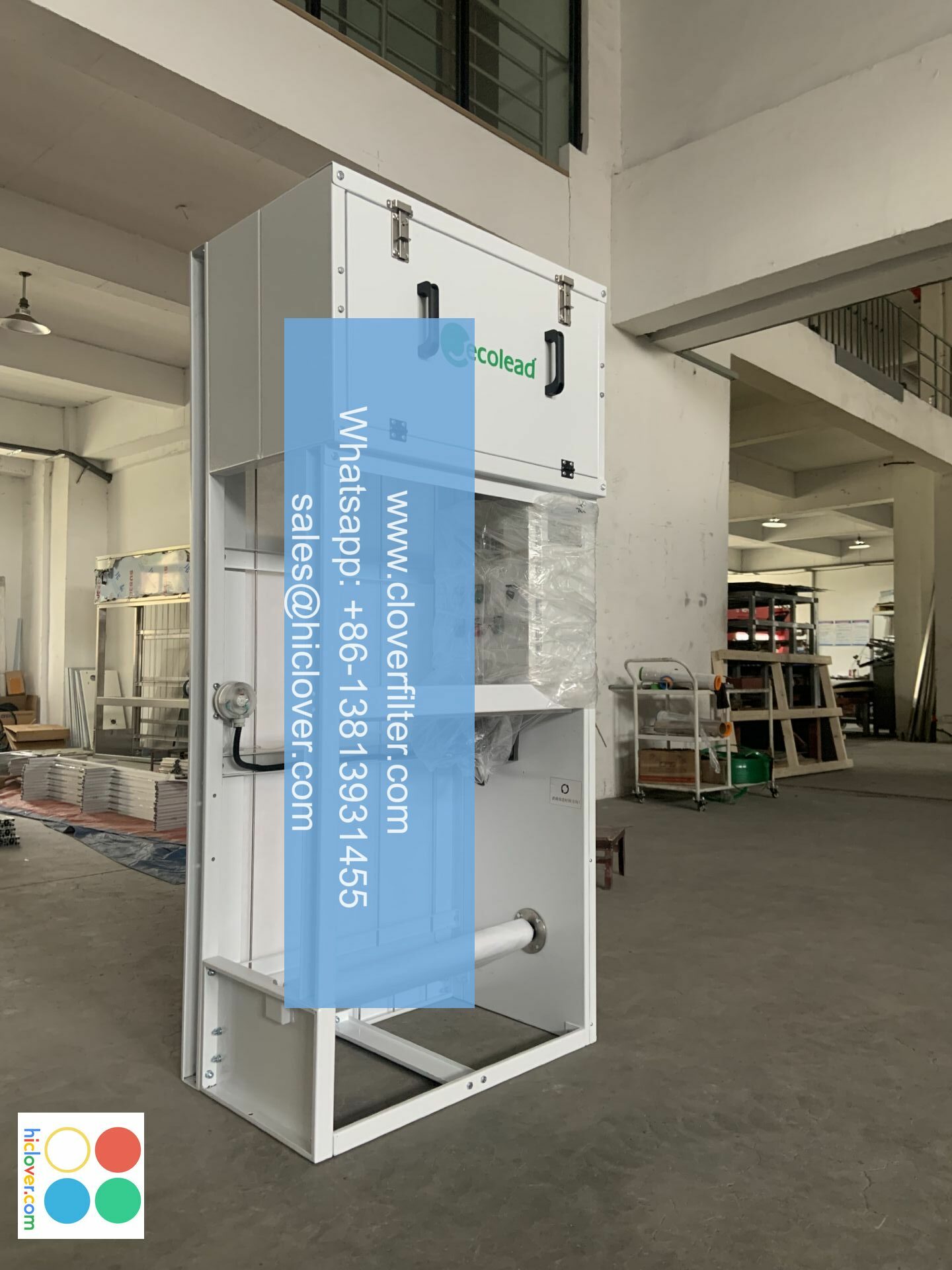
The quality of indoor air is crucial not only for comfort but also for health and well-being. As such, air filter design in Heating, Ventilation, and Air Conditioning (HVAC) systems plays a pivotal role in maintaining air quality in both residential and commercial spaces. This article reviews various aspects of air filter design, focusing on key technologies, materials, and applications.
Importance of Air Filters in HVAC Systems

Air filters serve as the frontline defense against airborne particles and pollutants in indoor environments. They help to control the following:
-
Dust and Allergens: Filters capture dust, pollen, mold spores, and pet dander, which are significant allergens.
-
Smoke and Odors: High-efficiency filters can remove smoke particles and unpleasant odors to improve indoor air quality.
-
Microbial Contaminants: Advanced air filters can trap bacteria and viruses, contributing to a healthier indoor atmosphere.
Types of Air Filters
Understanding the different types of air filters available for HVAC systems is crucial for selecting the right one for your needs.

1. Fiberglass Filters
Fiberglass filters are the most commonly used air filters in residential HVAC systems. They are inexpensive and provide decent filtration of larger particles, which makes them an economical choice for homeowners.
2. Pleated Filters
Pleated filters are made from a cotton or synthetic blend and are structured in a pleated design to increase surface area. They typically have higher MERV (Minimum Efficiency Reporting Value) ratings than fiberglass filters, providing better filtration of finer particles. These filters are ideal for residential systems where improved air quality is desired.
3. HEPA Filters
High-Efficiency Particulate Air (HEPA) filters are highly effective in capturing 99.97% of particles as small as 0.3 microns. These filters are commonly used in hospitals and facilities that demand exceptionally high air quality standards, making them suitable for commercial HVAC systems in healthcare settings.
4. Activated Carbon Filters
Activated carbon filters are designed to remove gaseous pollutants, odors, and volatile organic compounds (VOCs). They are often used in conjunction with other filter types in both residential and commercial applications to enhance air quality.
5. Electrostatic Filters
Electrostatic filters use static electricity to attract and capture particles, making them reusable and environmentally friendly. They provide good filtration efficiency and are suitable for both residential and commercial HVAC systems.
Design Considerations for Air Filters
When designing air filters for HVAC systems, several factors must be taken into account:
1. Filtration Efficiency
The filtration efficiency of a filter should be matched with the specific needs of the environment it is serving. Higher MERV ratings indicate better particle capture efficiency but may also result in increased air resistance.
2. Airflow Resistance
Filters must allow for adequate airflow to ensure the efficiency of the HVAC system. High airflow resistance can lead to increased energy consumption and decreased system performance.
3. Cost-Effectiveness
Filters can vary significantly in price. While higher efficiency filters may have higher upfront costs, they can lead to savings in energy use and replacement frequency over time.
4. Maintenance and Replacement
Regular maintenance and timely replacement of filters are essential to ensure air quality and system performance. Easy-to-replace designs can enhance user compliance with maintenance schedules.
Application Areas of Air Filters
The versatility of air filters permits their use in various applications, including:
-
Residential Homes: Systems designed for comfort and allergy reduction. Commonly used filters include pleated and HEPA filters.
-
Commercial Buildings: Offices, hotels, and retail spaces benefit from high-efficiency filters, activated carbon filters, and other advanced technologies to ensure superior air quality.
-
Healthcare Facilities: Hospitals and clinics require HEPA filters for infection control and to maintain a sterile environment.
-
Research Laboratories: Specialized filters are needed to maintain stringent cleanliness standards in laboratories that involve sensitive experiments.
Conclusion
The design of air filters for residential and commercial HVAC systems is a critical aspect of ensuring good indoor air quality. Understanding the types of filters available, their respective applications, and key design considerations can help homeowners and facility managers make informed decisions. As technologies evolve, the future of air filter design holds the promise of even more efficient and effective solutions to meet the ever-growing demand for clean air indoors.
In conclusion, proper air filter design not only enhances comfort but can also significantly impact health, well-being, and operational efficiency across various application areas.
It looks like you might want to create a prompt or get ideas for one. Could you provide a bit more context or specify the topic you’re interested in? This way, I can assist you more effectively!
