Air Filter Design: The Importance of Filter Surface Area and Porosity

Air filter design is a critical aspect of ensuring the quality of indoor air, and two key factors that play a significant role in this process are filter surface area and porosity. In this article, we will delve into the importance of these factors and their impact on various applications, including HEPA filtration systems, industrial air purification, and residential air cleaning solutions.
Filter Surface Area: A Key Factor in Air Filter Efficiency
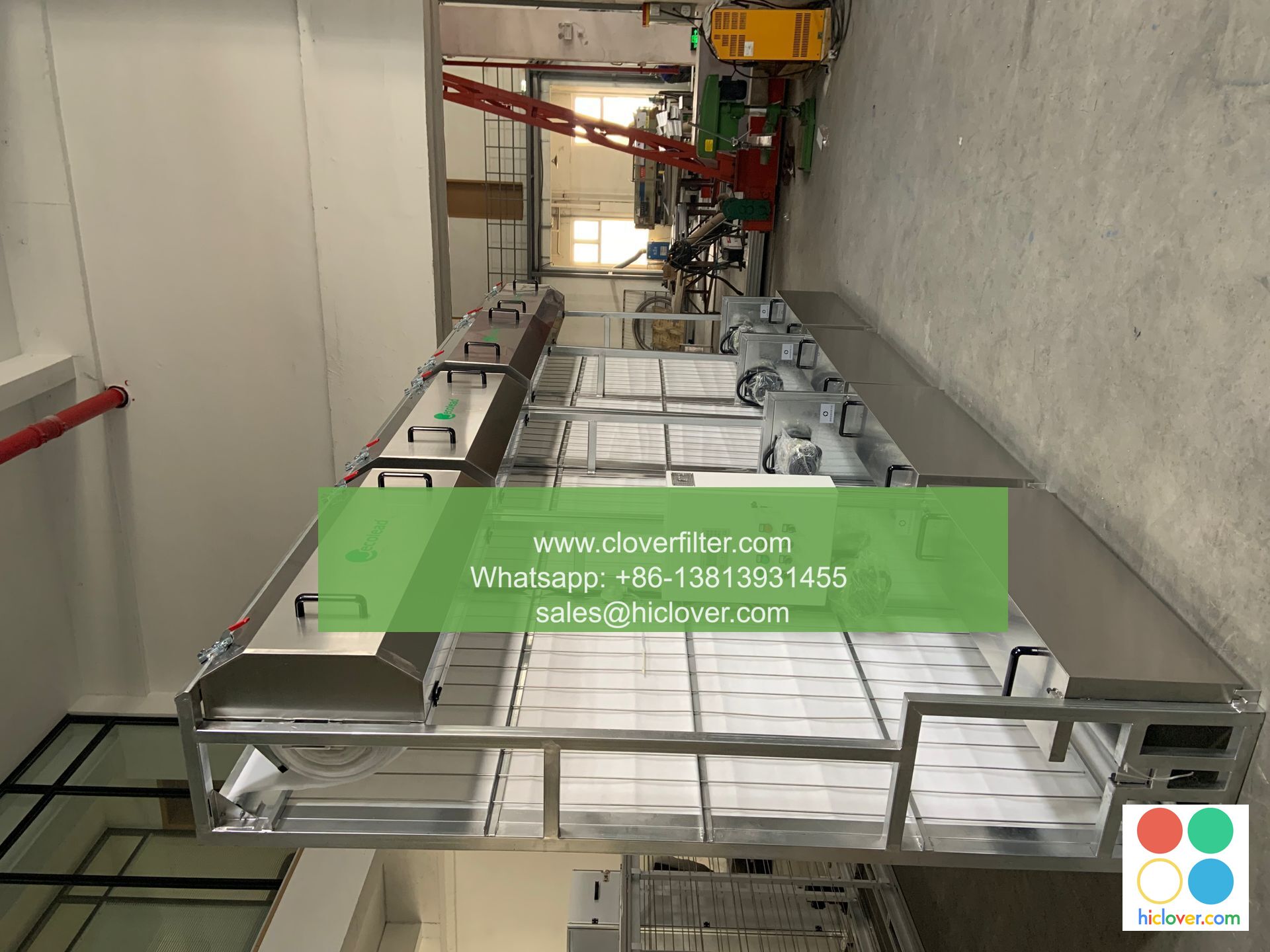
The filter surface area refers to the amount of space available for air to pass through the filter media. A larger surface area allows for more air to be filtered, resulting in improved air quality and indoor air pollution control. In applications such as commercial HVAC systems and industrial dust collection, a larger filter surface area is essential for maintaining optimal airflow and filter performance. By increasing the filter surface area, air filter designers can reduce pressure drop and energy consumption, making the system more efficient and cost-effective.
Porosity: The Role of Pore Size and Distribution in Air Filter Design
Porosity refers to the size and distribution of pores within the filter media. The pore size and pore distribution play a crucial role in determining the filter’s ability to capture particulate matter, bacteria, and viruses. In applications such as medical air filtration and pharmaceutical air purification, high porosity filters with small pore sizes are required to ensure ultra-clean air and prevent contamination. By optimizing the pore size and distribution, air filter designers can create filters that are effective against a wide range of aerosols and gases.
Application Areas: Where Filter Surface Area and Porosity Matter
The importance of filter surface area and porosity can be seen in various application areas, including:
* Residential air cleaning solutions: where filters with large surface areas and optimized porosity are used to remove allergens, dust, and odors from indoor air.
* Industrial air purification: where filters with high porosity and large surface areas are used to capture hazardous particles and gases in industrial settings.
* Commercial HVAC systems: where filters with large surface areas and optimized porosity are used to maintain optimal airflow and indoor air quality.
* Medical air filtration: where filters with high porosity and small pore sizes are used to ensure ultra-clean air and prevent contamination in medical facilities.
Conclusion
In conclusion, filter surface area and porosity are critical factors in air filter design, and their importance cannot be overstated. By optimizing these factors, air filter designers can create filters that are effective, efficient, and cost-effective, making them suitable for a wide range of applications, from residential air cleaning solutions to industrial air purification and medical air filtration. As the demand for clean air continues to grow, the importance of filter surface area and porosity will only continue to increase, driving innovation and advancements in air filter technology.
It seems like you’re looking for a prompt to get started, but you haven’t specified what kind of prompt you’re interested in. Here are a few suggestions across different categories to get you going:
For Writing
- Science Fiction: Imagine a world where technology has surpassed human intelligence. How do humans adapt?
- Mystery: A detective is tasked with solving a murder that happened in a sealed room with no signs of forced entry or exit. How does the detective uncover the truth?
- Romance: Two people from different worlds are brought together by circumstance. Describe their journey to love.
For Art
- Fantasy Landscape: Paint or draw a scene from a mythical forest, including at least three different magical creatures.
- Abstract Emotion: Create a piece that represents the feeling of joy through color and form.
- Future Cityscape: Design a city 500 years in the future, considering how technology might change urban living.
For Gaming
- Role-Playing Game (RPG) Scenario: You awaken in a dungeon with no memory of who you are or how you got there. Describe your character’s journey to escape and discover their identity.
- Strategy Game Challenge: You’re the leader of a small village that must defend against a massive invading army. Plan your defense strategy.
- Adventure Game Quest: You’re on a mission to retrieve a legendary artifact hidden in a cursed temple. Outline the obstacles you’d face and how you’d overcome them.
For Personal Development
- Goal Setting: Write down three personal goals you want to achieve in the next year and create a step-by-step plan to reach them.
- Mindfulness Exercise: Describe a serene natural setting and how being there makes you feel, using all five senses to immerse the reader.
- Self-Reflection: Consider a challenging situation you’ve faced. What did you learn from it, and how has it shaped your approach to similar situations?
For Education
- Historical Figure: Choose a lesser-known historical figure and write a short biography, highlighting their contributions to history.
- Scientific Experiment: Design an experiment to test the effect of pH on plant growth. What materials would you need, and how would you analyze the results?
- Cultural Comparison: Compare and contrast two different cultures’ approaches to a significant aspect of life, such as family, food, or education.
If you have something more specific in mind or would like more ideas in a particular area, feel free to provide more details!
