Air Filter Dimensions 101: A Beginner’s Guide
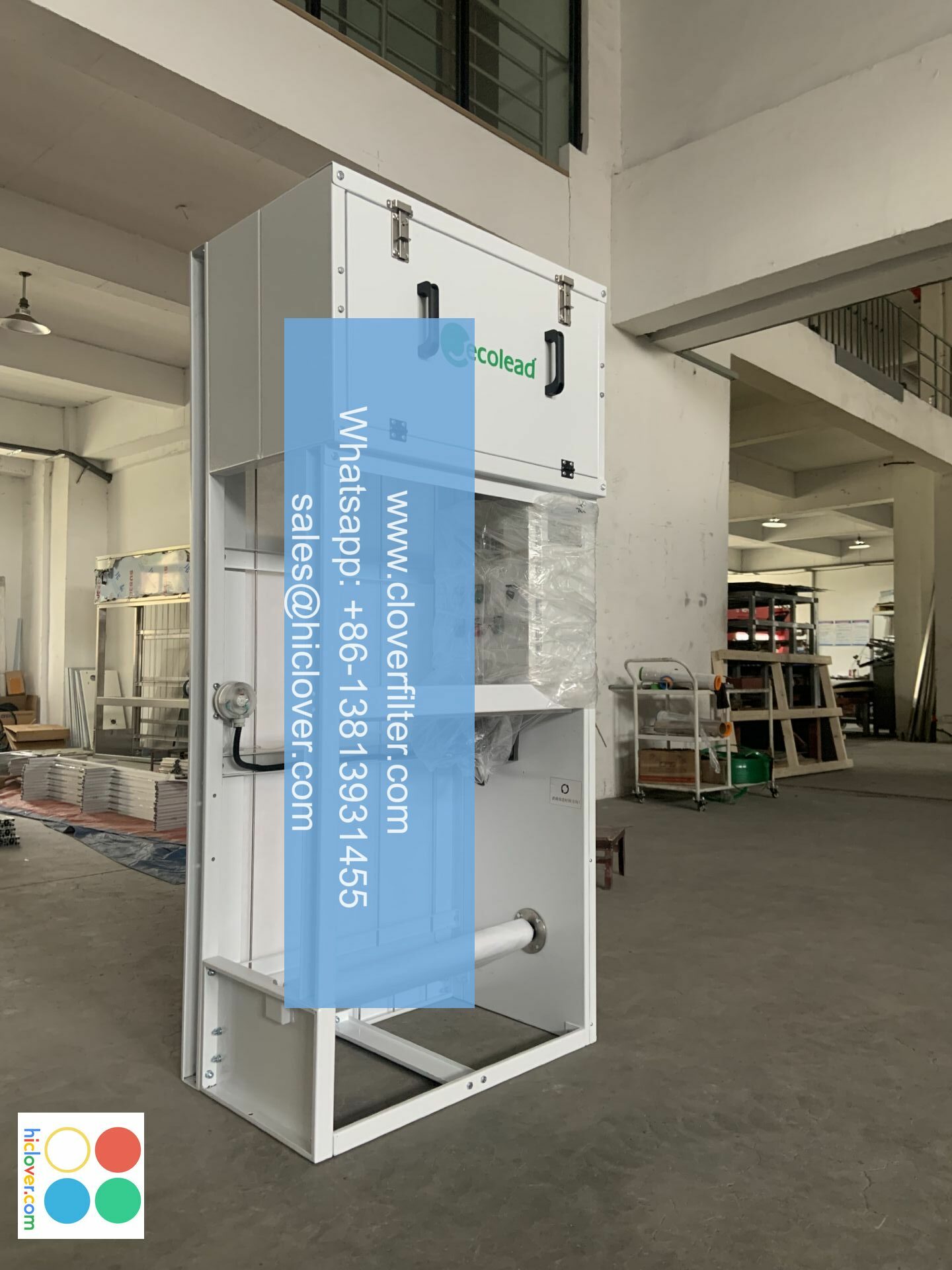
As a beginner, navigating the world of air filters can be overwhelming, especially when it comes to understanding air filter dimensions. In this article, we will break down the basics of air filter dimensions, discuss the importance of proper sizing, and highlight various application areas where correct dimensions are crucial.
What are Air Filter Dimensions?
Air filter dimensions refer to the physical size of an air filter, which is typically measured in inches or millimeters. The dimensions of an air filter are critical in ensuring a proper fit in the intended application, whether it’s a heating, ventilation, and air conditioning (HVAC) system, an air purification system, or an industrial air filtration system. Common air filter dimensions include length, width, and thickness, as well as the size of the filter’s air intake and outlet.
Why are Air Filter Dimensions Important?
Proper air filter dimensions are essential for several reasons:
* Airflow efficiency: A correctly sized air filter ensures optimal airflow, which is critical for maintaining indoor air quality (IAQ) and preventing air pollution.
* Filter performance: The right air filter dimensions enable the filter to operate at its maximum efficiency, capturing particulate matter (PM), volatile organic compounds (VOCs), and other airborne contaminants.
* System compatibility: Proper air filter dimensions ensure a secure fit in the intended application, preventing air leaks and system damage.
Application Areas for Air Filter Dimensions
Correct air filter dimensions are vital in various application areas, including:
* Residential HVAC systems: Proper air filter dimensions ensure efficient heating and cooling, improved IAQ, and reduced energy consumption.
* Commercial air filtration systems: Correct air filter dimensions are crucial in maintaining a healthy and productive indoor environment, particularly in office buildings, hospitals, and industrial facilities.
* Industrial air pollution control: Accurate air filter dimensions are essential in capturing hazardous airborne pollutants and preventing environmental pollution.
* Automotive air filtration systems: Proper air filter dimensions ensure optimal engine performance, improved fuel efficiency, and reduced emissions.

Measuring Air Filter Dimensions
To ensure accurate air filter dimensions, it’s essential to measure the filter’s length, width, and thickness using a measuring tape or caliper. When measuring air filter dimensions, consider the following:
* Filter frame size: Measure the outer dimensions of the filter frame to ensure a proper fit.
* Filter media size: Measure the size of the filter media, including the filter pads or filter cartridges.
* Gasket size: Measure the size of the gasket or seal to ensure a secure fit.
Conclusion
In conclusion, air filter dimensions are a critical aspect of air filtration systems, and understanding the basics is essential for beginners. By recognizing the importance of proper sizing and highlighting various application areas, individuals can ensure optimal airflow, filter performance, and system compatibility. Whether you’re working with residential HVAC systems, commercial air filtration systems, or industrial air pollution control, accurate air filter dimensions are vital for maintaining a healthy and efficient indoor environment. It looks like you’re ready to start a conversation, but you haven’t given me a specific prompt to work with. What’s on your mind? Would you like to:
1. Ask a question?
2. Discuss a topic?
3. Play a game?
4. Generate some creative writing?
5. Something else?
Let me know, and I’ll do my best to help!
