Air Filter Distribution: A Key Component of Hospital Services
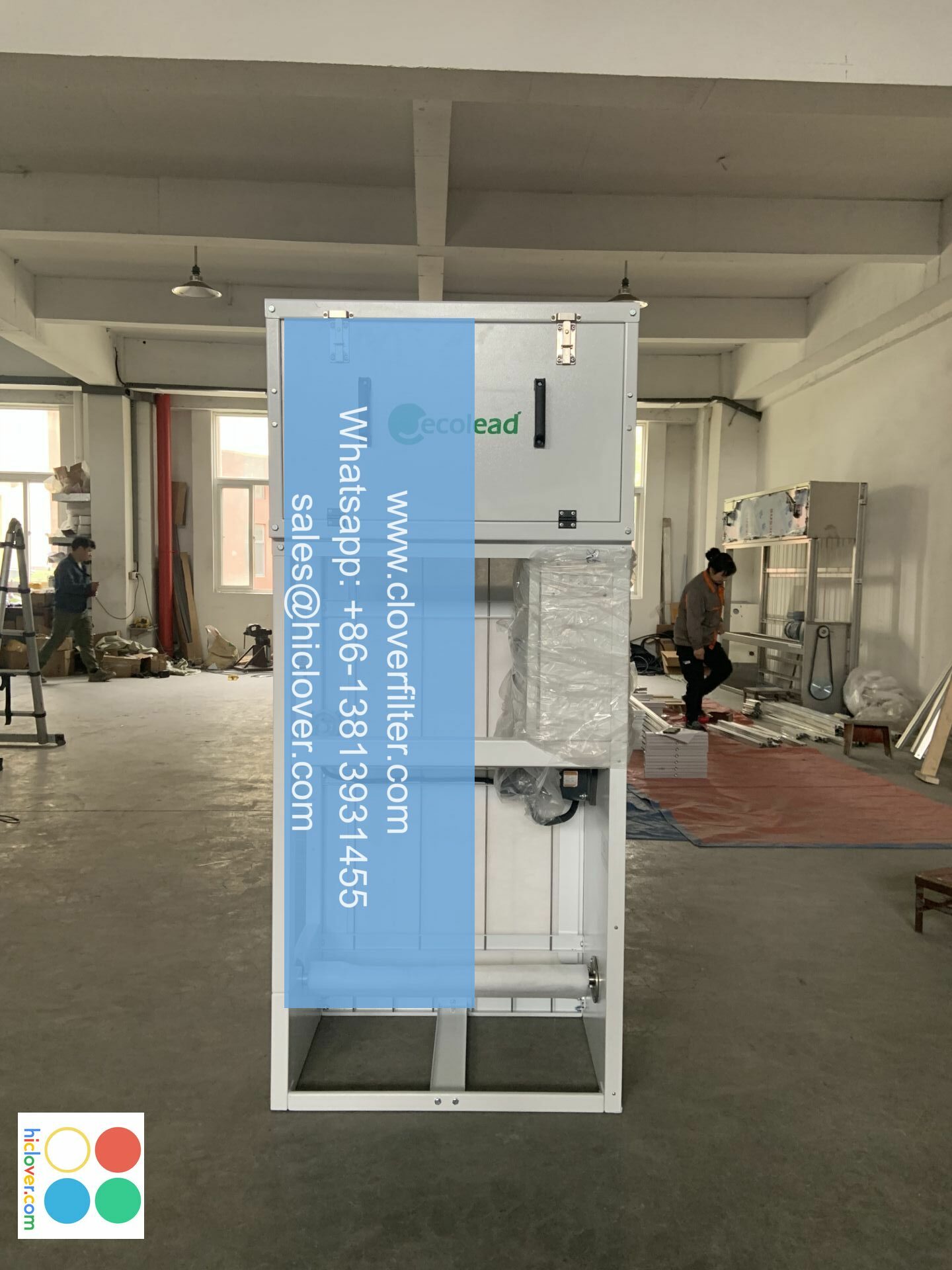
Air filter distribution is a critical aspect of hospital services, playing a vital role in maintaining a safe and healthy environment for patients, visitors, and staff. Air purification systems and air filter maintenance are essential components of a hospital’s infection control and indoor air quality (IAQ) management strategies. In this article, we will highlight the importance of air filter distribution in hospitals and explore its various application areas.
Importance of Air Filter Distribution in Hospitals
Hospitals are susceptible to airborne infections and indoor air pollution, which can have severe consequences for patients with compromised immune systems. Effective air filter distribution helps to minimize the risk of hospital-acquired infections (HAIs) and ensures a healthy environment for everyone. High-efficiency particulate air (HEPA) filters and ultra-low penetration air (ULPA) filters are commonly used in hospitals to capture airborne pathogens and particulate matter. Air filter distribution is crucial in various areas of hospitals, including: Effective air filter distribution in hospitals offers several benefits, including: To ensure effective air filter distribution in hospitals, the following best practices should be followed:
* Operating rooms (ORs): Air filter distribution is critical in ORs to prevent surgical site infections (SSIs) and maintain a sterile environment.
* Intensive care units (ICUs): ICUs require high-level air filtration to protect critically ill patients from airborne infections.
* Patient rooms: Air filter distribution in patient rooms helps to prevent the spread of infections and maintain a healthy environment for patients.
* Pharmacies: Air filter distribution in pharmacies is essential to prevent contamination of pharmaceuticals and ensure a safe working environment for staff.
* Laboratories: Air filter distribution in laboratories helps to prevent cross-contamination of samples and maintain a safe working environment for staff.Benefits of Effective Air Filter Distribution in Hospitals
* Reduced risk of hospital-acquired infections (HAIs)
* Improved indoor air quality (IAQ)
* Increased patient safety
* Enhanced staff safety
* Reduced risk of cross-contamination
* Compliance with infection control and IAQ regulationsBest Practices for Air Filter Distribution in Hospitals
* Regular maintenance of air filtration systems
* Proper installation of air filters
* Regular replacement of air filters
* Monitoring of indoor air quality (IAQ)
* Training of staff on air filter distribution and infection control
In conclusion, air filter distribution is a critical component of hospital services, playing a vital role in maintaining a safe and healthy environment for patients, visitors, and staff. By understanding the importance of air filter distribution and implementing effective air purification systems and air filter maintenance strategies, hospitals can reduce the risk of hospital-acquired infections (HAIs) and ensure compliance with infection control and IAQ regulations. Prompt
