Air Filter Durability: Myths vs. Facts
Key Takeaways:
- Air filter durability is often misunderstood; not all filters are created equal.
- Automatic Roll Air Filters offer extended lifecycle and reduced maintenance.
- Understanding airflow and pressure drop is crucial for effective filtration.
- Compliance with industry standards like ISO 16890 helps ensure performance.
- Real-life applications exemplify the benefits of durable air filtration systems.
- Accurate selection can optimize the performance of HVAC systems.
- Awareness of common mistakes can enhance efficiency in filtration management.
- Roll Media Advance Logic: As the filter collects particulate matter, the roll media automatically advances, exposing fresh filter material.
- Differential Pressure Trigger: This feature activates when the pressure drop across the filter reaches a predetermined level, prompting a new section of the filter media to engage.
- Timer Mode: Filters can also operate on a timer, allowing for consistent air quality management according to specific schedules.
- Airflow Range: Understand the required airflow for your system’s operational needs.
- Face Velocity: Determine the velocity at which air will pass through the filter.
- Media Width/Length: Consider the dimensions of the filter based on your application requirements.
- Frame Size: Ensure compatibility with your existing HVAC system.
- Control Options: Evaluate available features, such as timers and differential pressure monitors.
- Power Supply: Confirm the necessary power supply for filter operations and controls.
- Installation Location: Identify whether the filter will be used as a fresh air intake, return filter, or process filter.
- Neglecting Maintenance Schedule: Set and follow routine checks.
- Ignoring Pressure Drop: Monitor pressure to prevent excessive strain on systems.
- Overlooking Compatibility: Ensure filters match system specifications.
- Misjudging Air Quality Requirements: Adjust selections based on specific particulate control needs.
- Underestimating Installation Location Needs: Different areas have unique requirements for air filters.
- Choosing Price Over Quality: Often, lower-cost filters lead to higher long-term costs.
- Failing to Train Staff: Ensure that personnel understand proper filter management.
- Delaying Replacements: Timely media changes are key for maintaining air quality.
- Ignoring Filter Standards: Familiarize yourself with standards like MERV and ISO 16890 for better selections.

Understanding Air Filter Durability

Air filter durability is a critical consideration for procurement managers, HVAC engineers, and facility managers across various industries. With rising energy costs and environmental concerns, investing in durable air filters is essential to ensure optimal performance and longevity in HVAC systems. Among modern solutions, the Automatic Roll Air Filter is gaining attention for its reliability and efficiency in diverse applications, ranging from data centers to hospitals.
What is an Automatic Roll Air Filter?
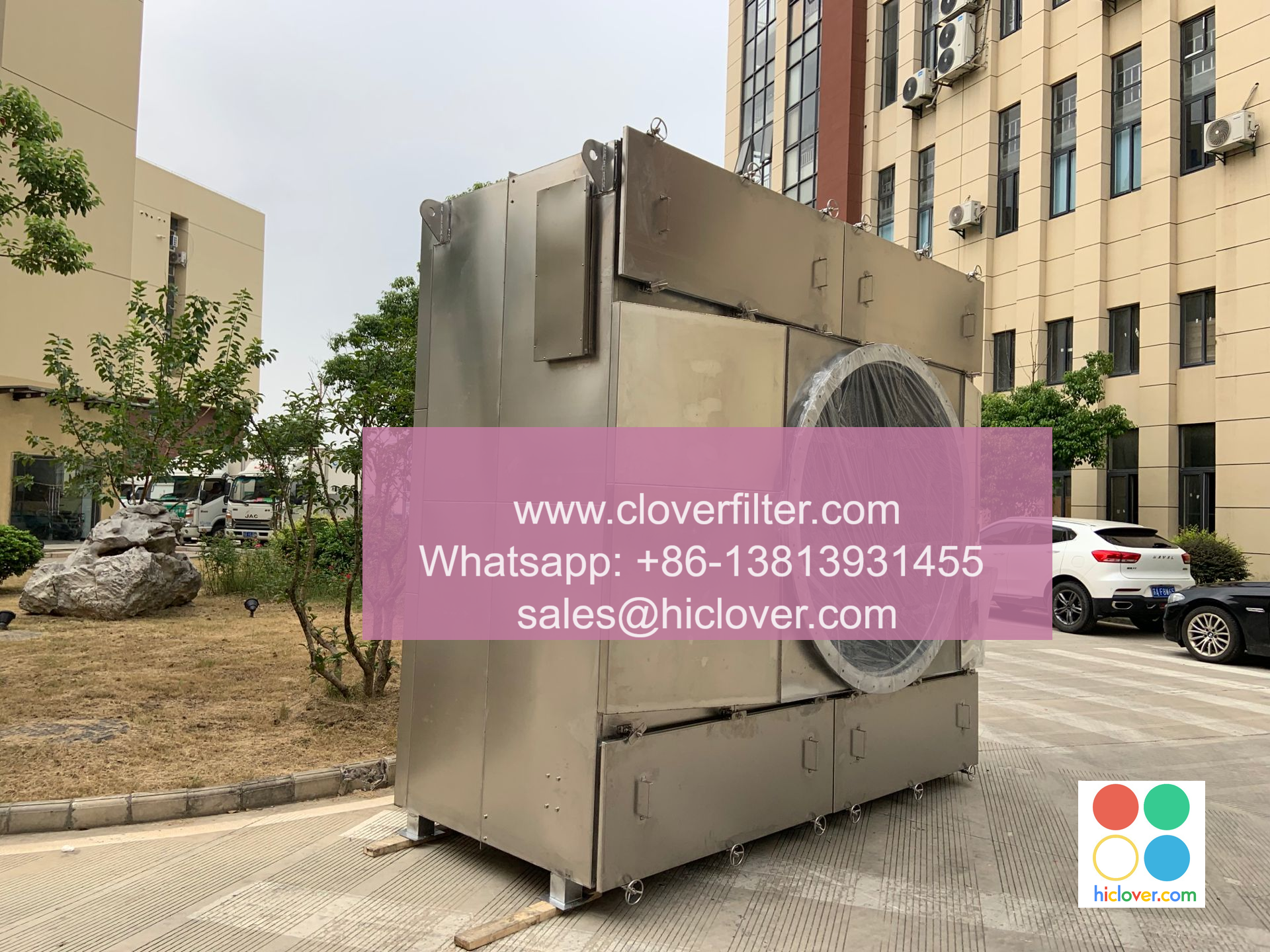
An Automatic Roll Air Filter is designed to provide continuous filtration by advancing a roll of media as it becomes saturated. It is equipped with a roll media advance logic that reacts to differential pressure triggers or operates on a timer mode, ensuring optimal airflow and quality air intake. Ideal for applications in fresh air intake, return air, and process air, this type of filter ensures lasting performance while minimizing maintenance.
How Does It Work?
The mechanism behind the Automatic Roll Air Filter involves several key operations:
This sophisticated functionality significantly enhances air filter durability while reducing maintenance intervals—making them a preferred choice for demanding environments.
Practical Selection Guide
When selecting an air filter, understanding specific criteria is crucial. Here’s a practical guide to help you assess your needs:
Comparison of Air Filter Types
Below is a comparison table of different air filter types:
| Filter Type | Best Use Case | Maintenance | Pressure Drop Behavior | Operating Cost | Typical Risk/Downside |
|---|---|---|---|---|---|
| Automatic Roll Air Filter | High particulate environments | Low | Stable | Moderate | Fewer media changeouts |
| Bag Filter | General industrial use | Moderate | Varies | Moderate | Possible airflow restriction |
| Panel Filter | Light commercial use | High | Varies | Low | Short lifespan |
| V-bank Filter | High air quality needs | High | High | Higher | Higher initial cost |
Common Mistakes & How to Avoid Them
To enhance air filter durability, avoid these common mistakes:
Real-World Scenarios
Data Center
In a data center, the need for clean, cool air is paramount. An Automatic Roll Air Filter was installed to manage smoke and particulate control efficiently while lowering energy consumption, ensuring equipment longevity.
Battery Factory
In a lithium battery manufacturing environment, air purity is crucial to avoid contamination. The Automatic Roll Air Filter enabled lower particulate transport compared to conventional filters, proving effective in maintaining optimal production conditions.
Paint Shop
In a paint application facility, a high-quality filtration system is necessary to capture airborne particulates. Implementing an Automatic Roll Air Filter minimized paint defects and enhanced product quality while creating a healthier workspace.
Textile/Steel/Cement Mills
The harsh environments of textile and steel mills require durable filtration systems. Switching to Automatic Roll Air Filters led to a significant decrease in maintenance downtime and an overall improvement in air quality regulation, demonstrating their value in heavy industries.
FAQ Section
Q1: How do I know if my air filter has good durability?
A1: Check for features like media longevity, pressure drop stability, and maintenance requirements.
Q2: Can Automatic Roll Air Filters be used in all HVAC systems?
A2: They are versatile but must be checked for compatibility with your specific system requirements.
Q3: What impacts air filter durability the most?
A3: Factors include the type of contaminants, airflow rates, and operational frequency.
Q4: How often should filters be replaced?
A4: It depends on the system and filter type; however, regular monitoring and adherence to maintenance schedules are essential.
Q5: Are higher MERV ratings always better?
A5: While higher ratings indicate better particulate control, they may also lead to increased pressure drops; balance is crucial.
Q6: What does “differential pressure” mean?
A6: It refers to the difference in pressure across a filter, indicating how much the filter is loaded with particulates.
Conclusion
Understanding air filter durability can significantly optimize efficiency in various industrial applications. The Automatic Roll Air Filter from CloverFilter exemplifies a robust solution that addresses the demands of high-traffic environments with minimal maintenance. To discover how CloverFilter can enhance your filtration systems, visit CloverFilter, or reach out for personalized assistance at CloverFilter Contact.
Meta Description: Explore the truths around air filter durability, focusing on Automatic Roll Air Filters and their role in various industrial applications.
It seems you may have entered “Prompt” but didn’t provide further context or a specific prompt you’d like to explore. Could you please elaborate on what you’re looking for? Whether it’s a writing prompt, a question, or something else, I’d be happy to help!
