Air Filter Ecosystems: A Guide to Air Filter Installation in Commercial Settings
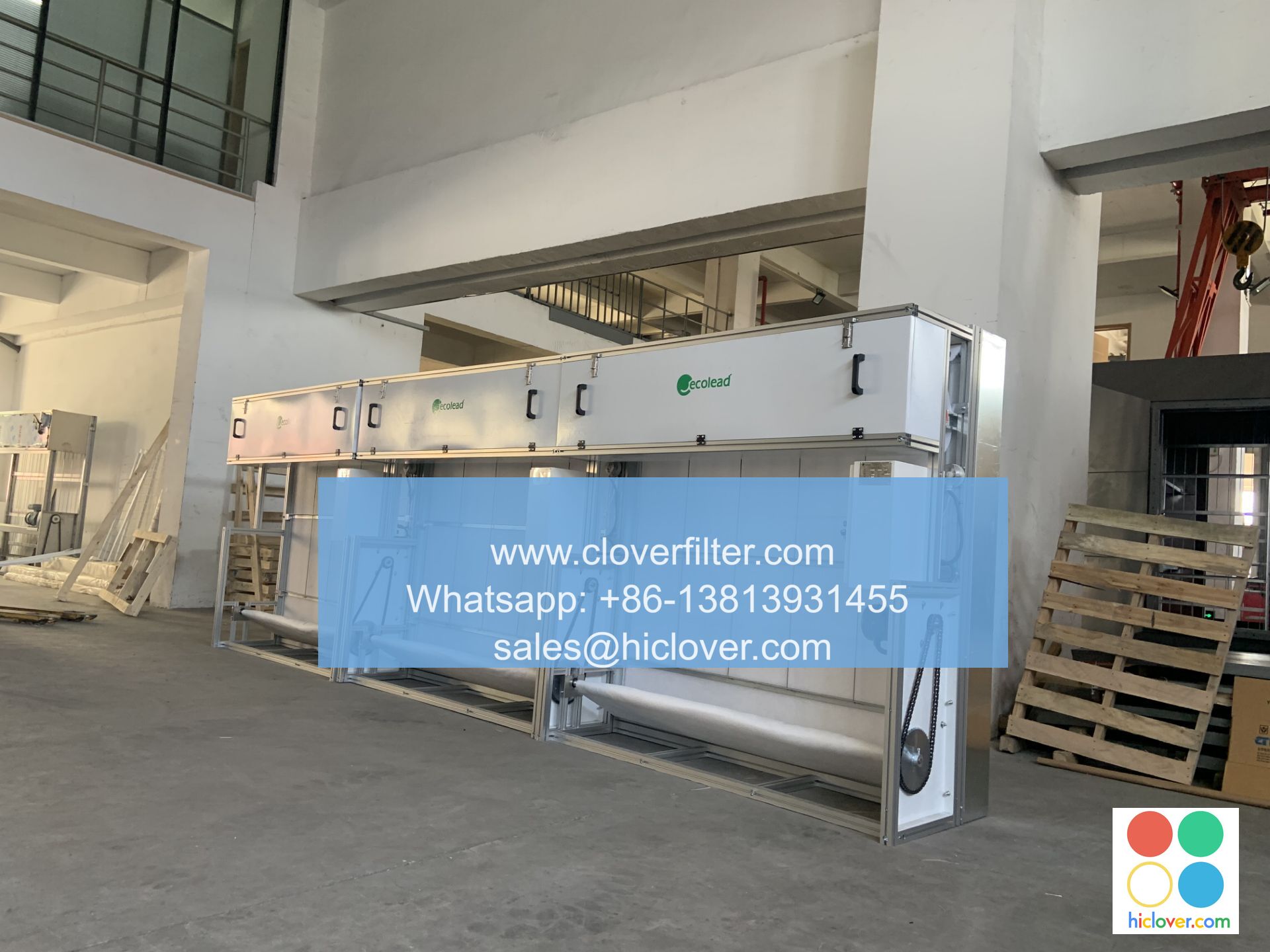
Understanding Air Filter Ecosystems

In today’s commercial environments, maintaining high air quality is essential for the health and productivity of employees and customers alike. An air filter ecosystem encompasses various filtering technologies and solutions designed to clean the air we breathe. This guide aims to provide invaluable insights into the installation of air filters in various commercial settings.
The Importance of Air Quality in Commercial Spaces
The importance of air quality cannot be overstated. Poor air quality can lead to health issues such as allergies, respiratory problems, and reduced workplace productivity. Commercial spaces, including offices, hospitals, and educational institutions, should prioritize air filtration systems to ensure a safe and healthy environment.
Types of Air Filters

Understanding the various types of air filters available is crucial for making informed decisions regarding installation. Below are some common types:
- HEPA Filters: High Efficiency Particulate Air filters capture 99.97% of particles 0.3 microns or larger, making them ideal for hospitals and cleanrooms.
- Electrostatic Filters: These filters use an electric charge to attract and trap particles, making them effective in office settings.
- UV Filters: Utilizing ultraviolet light to kill bacteria and viruses, these filters are commonly found in healthcare facilities.
Key Areas of Application
Air filters are essential in several commercial settings. Here are a few key areas:
- Healthcare Facilities: Hospitals and clinics require rigorous air filtration systems to protect patients and staff from airborne pathogens.
- Office Buildings: To enhance employee well-being and productivity, air filters improve the overall air quality in office environments.
- Educational Institutions: Schools and universities benefit from better air quality, helping to support student health and performance.
- Manufacturing Plants: In industries with heavy dust and pollutants, effective air filtration systems are vital to worker safety and equipment longevity.
Steps for Air Filter Installation
Installing air filters in commercial settings involves several steps:
- Assessment: Evaluate the existing air handling systems and determine the required filter type.
- Selection: Choose air filters based on efficiency ratings, size, and compatibility with current systems.
- Installation: Ensure a professional or qualified technician performs the installation to meet safety and efficiency standards.
- Regular Maintenance: Schedule routine maintenance checks and filter replacements to maintain optimal performance.
The Future of Air Filtering Systems
As technology advances, air filtering systems will likely incorporate smart technologies for real-time monitoring and optimization. Building managers must stay informed about modern solutions to ensure compliance with health standards and enhance indoor air quality.
It seems you entered “Prompt,” but I’m not sure what specific information or assistance you’re looking for. Could you please provide more details or clarify the topic you’d like to discuss or explore?
