Air Filter Ecosystems: A Guide to Air Filter Installation in Residential Settings
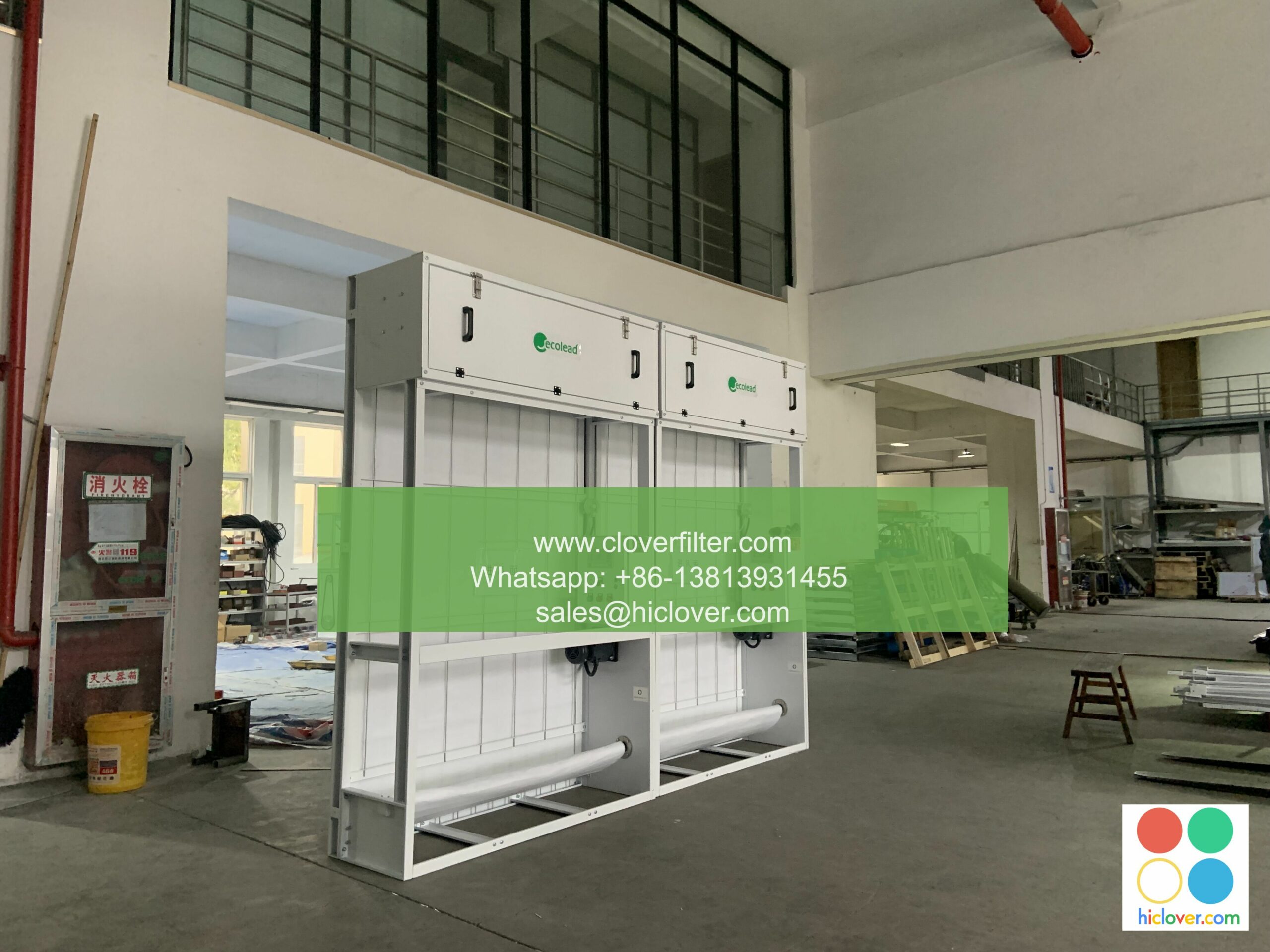
As air quality continues to be a significant concern for many homeowners, understanding the importance of air filter ecosystems is crucial for maintaining a healthy living environment. This guide will explore key aspects of air filter installation in residential settings, highlighting various application areas and ensuring you have the necessary knowledge to improve your home’s air quality.
Understanding Air Filter Ecosystems

Air filter ecosystems refer to the interplay of various air filtration systems designed to purify indoor air. These systems work synergistically to capture different pollutants, improve ventilation, and enhance overall air quality.
Key Components of Air Filter Ecosystems
- HVAC Systems: Most homes rely on heating, ventilation, and air conditioning (HVAC) units that utilize filters to remove dust, allergens, and pollutants from the air.
- Standalone Air Purifiers: Complementary to HVAC systems, these units enhance air quality by providing additional filtration for specific pollutants, such as VOCs (volatile organic compounds) and smoke.
- Ventilation Strategies: Effective ventilation plays a critical role in maintaining air quality, preventing the accumulation of indoor pollutants.
Types of Air Filters

When considering air filter installation, it’s essential to choose the right type of filter for your needs. Here are some common types:
- HEPA Filters: High-Efficiency Particulate Air (HEPA) filters are designed to capture at least 99.97% of particles larger than 0.3 microns, making them ideal for allergy sufferers.
- Activated Carbon Filters: These filters are effective at removing odors and harmful gases, making them excellent for kitchens and areas with prominent VOCs.
- Washable Filters: These eco-friendly options can be reused after cleaning, reducing waste and offering cost savings over time.
Air Filter Installation: Step-by-Step Guide
Installing air filters in your residential setting doesn’t have to be daunting. Follow these steps for a successful installation:
Step 1: Identify the Filter Type
Determine which air filter suits your needs based on your home’s HVAC system and any specific air quality concerns.
Step 2: Measure the Filter Size
Accurate measurements of the filter slot in your HVAC system or air purifier will ensure a proper fit and maximum efficiency.
Step 3: Turn Off the System
Before installation, always turn off your HVAC system or air purifier to ensure safety and prevent damage during the process.
Step 4: Remove the Old Filter
Carefully take out the old filter, noting how it was installed to facilitate the correct placement of the new filter.
Step 5: Install the New Filter
Insert the new air filter, ensuring it fits snugly and aligns with the airflow direction indicated on the filter.
Step 6: Turn the System Back On
Once the new filter is in place, turn your HVAC system or air purifier back on and check for any unusual noises or issues.
Regular Maintenance and Replacement
To maintain optimal air quality, regularly check and replace your air filters according to the manufacturer’s recommendations. Factors such as household size, pets, and local air quality can affect the frequency of replacements.
Conclusion
Investing in an efficient air filter ecosystem is vital for safeguarding your family’s health and ensuring a comfortable living environment. By understanding air filter installation, types, and maintenance, you can significantly improve your home’s air quality and create a healthier space for everyone. Don’t overlook this essential aspect of home care; your lungs will thank you!
It seems like you entered “Prompt” without additional context. Could you please provide more details or specify what kind of prompt you are looking for? Whether it’s a writing prompt, programming prompt, or something else, I’m here to help!
