Air Filter Ecosystems: A Guide to Troubleshooting Common Issues
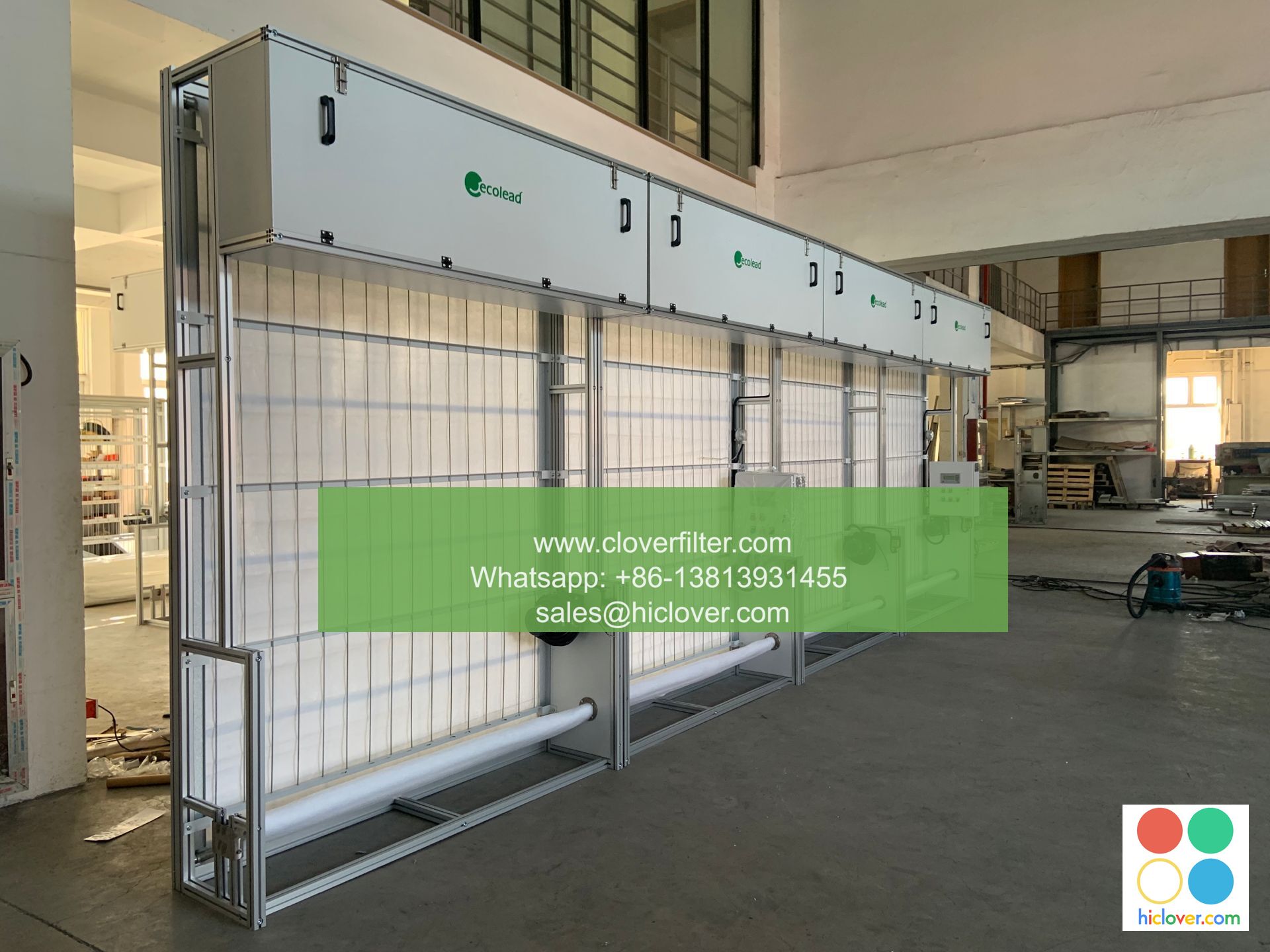
As the world becomes increasingly aware of the importance of indoor air quality and air pollution control, the demand for efficient air filtration systems has grown exponentially. Air filter ecosystems play a crucial role in maintaining a healthy and sustainable indoor environment, but like any complex system, they can be prone to issues. In this article, we will delve into the world of air filter ecosystems, exploring common problems and providing a comprehensive guide to troubleshooting and optimization.
Understanding Air Filter Ecosystems

Air filter ecosystems refer to the network of air filtration systems, ventilation systems, and air purification technologies that work together to maintain optimal indoor air quality. These ecosystems can be found in various application areas, including commercial buildings, industrial facilities, healthcare settings, and residential homes. A well-designed air filter ecosystem can help remove airborne pollutants, allergens, and microorganisms, creating a healthy indoor environment for occupants.
Common Issues in Air Filter Ecosystems
Despite their importance, air filter ecosystems can experience a range of issues, including:
- Clogged filters: Reduced airflow and filtration efficiency due to dirty or clogged filters
- Inadequate ventilation: Insufficient air exchange rates and air circulation leading to stale air and moisture buildup
- Incorrect filter selection: Using incompatible filters or ineffective filtration media for specific application areas
- Poor maintenance: Neglecting regular filter replacements and system maintenance leading to reduced system performance
- Conduct a thorough inspection: Examine the air filtration system, ventilation system, and air purification technologies to identify potential problems
- Monitor system performance: Track airflow rates, filtration efficiency, and indoor air quality to detect any deviations from optimal performance
- Check filter condition: Inspect filters for cleanliness, damage, or obstruction and replace them as needed
- Verify ventilation rates: Ensure air exchange rates and air circulation meet recommended standards for the specific application area
- Implement a regular maintenance schedule: Schedule filter replacements and system maintenance to prevent issues and ensure optimal performance
- Select compatible filters: Choose filters and filtration media specifically designed for the application area and indoor air quality requirements
- Upgrade to advanced technologies: Consider high-efficiency filters, air purification systems, and smart ventilation systems to enhance indoor air quality and energy efficiency
- Monitor and adjust: Continuously monitor system performance and indoor air quality and make adjustments as needed to ensure optimal performance

Troubleshooting Air Filter Ecosystems
To identify and resolve issues in air filter ecosystems, follow these steps:
Optimization Strategies
To optimize air filter ecosystems, consider the following strategies:
Conclusion
Air filter ecosystems play a vital role in maintaining a healthy indoor environment and sustainable buildings. By understanding common issues and following a comprehensive guide to troubleshooting and optimization, facility managers and building owners can ensure their air filter ecosystems operate at peak performance, providing a healthy and productive environment for occupants. Whether in commercial, industrial, healthcare, or residential settings, a well-designed and well-maintained air filter ecosystem is essential for indoor air quality and occupant well-being.
It seems like you’re ready to start a conversation or ask a question, but you haven’t provided any details yet. What’s on your mind? Would you like to discuss a specific topic, ask for advice, or perhaps explore a particular subject? I’m here to help with any questions or topics you’d like to discuss!
