Air Filter Ecosystems: A Key Component of Green Building Design

As the world shifts towards sustainable and environmentally friendly practices, green building design has become a crucial aspect of modern architecture. One of the essential components of green building design is the implementation of air filter ecosystems. These systems play a vital role in maintaining indoor air quality, reducing energy consumption, and promoting a healthy environment for occupants. In this article, we will delve into the world of air filter ecosystems, their benefits, and their various application areas.
What are Air Filter Ecosystems?
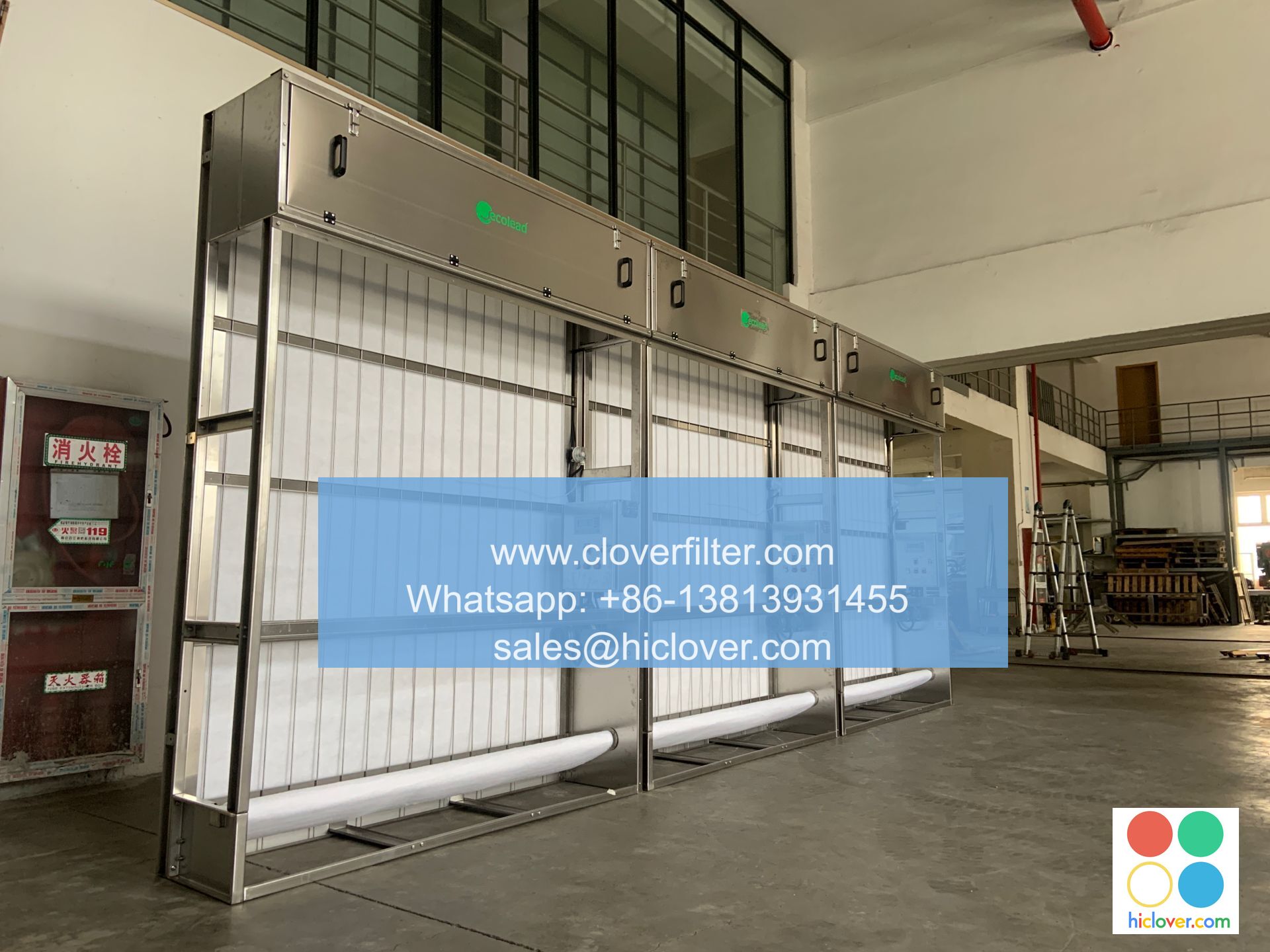
Air filter ecosystems refer to the combination of air filtration systems, heating, ventilation, and air conditioning (HVAC) systems, and building management systems (BMS) that work together to maintain optimal indoor air quality. These ecosystems use advanced air filtration technologies, such as HEPA filters, activated carbon filters, and UV air purifiers, to remove pollutants, allergens, and bacteria from the air. By integrating these systems, air filter ecosystems provide a comprehensive solution for maintaining a healthy and sustainable indoor environment.
Benefits of Air Filter Ecosystems
The benefits of air filter ecosystems are numerous and far-reaching. Some of the key advantages include:
* Improved indoor air quality: Air filter ecosystems remove pollutants and allergens, creating a healthier environment for occupants.
* Energy efficiency: By reducing the need for frequent HVAC system maintenance and minimizing energy consumption, air filter ecosystems contribute to a more sustainable and energy-efficient building.
* Increased productivity: A healthy indoor environment can boost occupant productivity and overall well-being.
* Compliance with green building standards: Air filter ecosystems can help buildings meet LEED (Leadership in Energy and Environmental Design) and WELL (Well Building Standard) certification requirements.
Application Areas of Air Filter Ecosystems
Air filter ecosystems have a wide range of applications across various industries, including:
* Commercial buildings: Office buildings, retail spaces, and hotels can benefit from air filter ecosystems to maintain a healthy and productive environment for employees and customers.
* Residential buildings: Apartment complexes, condominiums, and single-family homes can use air filter ecosystems to improve indoor air quality and create a comfortable living space.
* Healthcare facilities: Hospitals, clinics, and nursing homes require advanced air filtration systems to prevent the spread of airborne diseases and maintain a sterile environment.
* Industrial facilities: Manufacturing plants, warehouses, and laboratories can benefit from air filter ecosystems to remove pollutants and improve worker safety.
Key Technologies and Trends
Some of the key technologies and trends in air filter ecosystems include:
* IoT-enabled air filtration systems: These systems use sensors and data analytics to optimize air filtration and energy efficiency.
* Sustainable air filtration materials: Eco-friendly materials, such as recycled carbon and bamboo-based filters, are becoming increasingly popular.
* Advanced oxidation technologies: These technologies, such as UV-C and nanotechnology, provide enhanced air purification capabilities.
Conclusion
In conclusion, air filter ecosystems are a vital component of green building design, providing a comprehensive solution for maintaining optimal indoor air quality, reducing energy consumption, and promoting a healthy environment. As the demand for sustainable and environmentally friendly buildings continues to grow, the importance of air filter ecosystems will only continue to increase. By understanding the benefits and application areas of air filter ecosystems, architects, engineers, and building owners can create healthier, more sustainable, and more productive indoor environments for generations to come. You haven’t given me a prompt to work with. What would you like to talk about or ask? I’ll do my best to provide a helpful and informative response.
