Air Filter Ecosystems: A Review of Air Filter Technologies for Gas Turbines
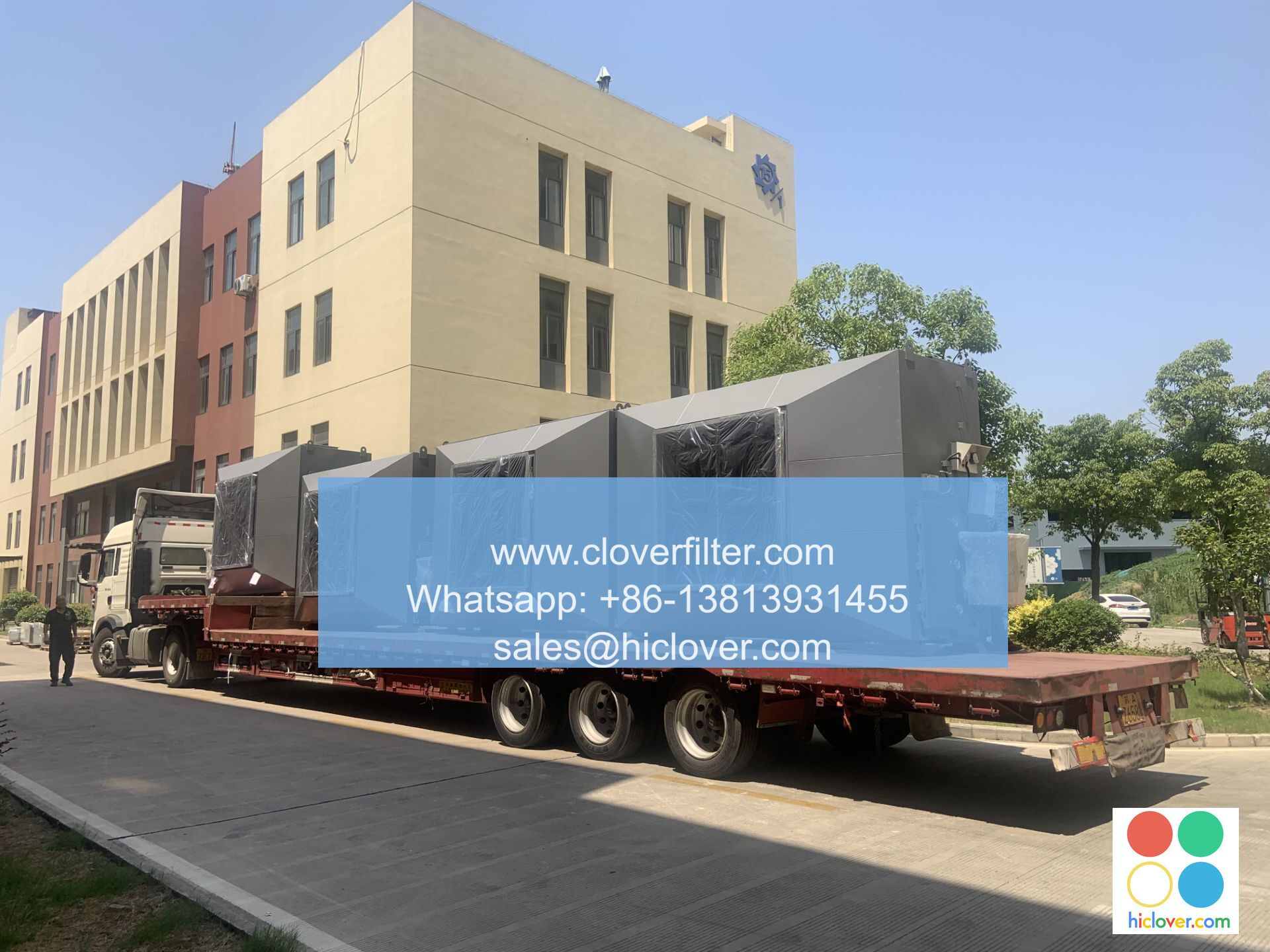
In today’s industrial landscape, the importance of clean air in the operation of gas turbines cannot be overstated. Air filter ecosystems play a pivotal role in maintaining efficiency, reducing emissions, and extending the life of gas turbine systems. This article explores the latest technologies in air filtration, highlighting various application areas where these innovations are making significant impacts.
The Importance of Air Filtration in Gas Turbines

Gas turbines are critical components in power generation and aviation industries. They operate efficiently only when supplied with clean air. Contaminants such as dust, dirt, and pollutants can impair performance, increase maintenance costs, and lead to unplanned downtimes. Consequently, sophisticated air filter technologies have evolved to tackle these challenges effectively.
Types of Air Filter Technologies
1. Mechanical Filters
Mechanical filters are the most traditional method of air filtration. They work by physically trapping particles as air passes through the filter media. Common materials used include fiberglass, polyester, and synthetic fibers. Mechanical filters are effective for capturing larger particles and are widely employed in various gas turbine applications.
2. Electrostatic Filters
Electrostatic filters utilize electrical charges to attract and capture contaminants. These filters can operate without airflow restriction, making them suitable for high-demand environments. They are particularly effective against fine particulate matter and offer higher efficiency than standard mechanical filters.

3. HEPA Filters
High-Efficiency Particulate Air (HEPA) filters are renowned for their filtration capabilities, capturing 99.97% of particles that are 0.3 microns or larger. These filters are essential in environments where even the smallest contaminants could jeopardize turbine operations. HEPA filters are often used in power plants and aviation applications where air purity is critical.
4. Absorption Filters
Absorption filters use chemical processes to eliminate gaseous pollutants. These filters contain media that attract and “absorb” harmful gases, preventing them from entering the turbine. Common applications include industrial environments where exhaust gases can threaten turbine integrity.
5. Hybrid Filters
Hybrid filters combine mechanical and electrostatic methods to maximize filtration efficiency. By utilizing diverse filtration technologies, these filters can capture a wider array of contaminants, making them an ideal choice for challenging environments, such as coastal areas with high saline content and dust exposure.
Application Areas of Air Filtration Technologies
1. Power Generation
In power plants, maintaining optimal air quality is integral for gas turbine performance. The use of advanced air filters ensures that the turbines operate at peak efficiency while minimizing harmful emissions to comply with environmental regulations.
2. Aviation and Aerospace
In the aviation sector, air quality is critical for safety and engine performance. Air filter technologies designed for aircraft engines help prevent contaminants from affecting performance and increasing maintenance. The reliable operation of turbines in flight necessitates the highest standards of air filtration.
3. Marine Applications
Marine gas turbines frequently encounter harsh environments with high humidity, salt, and particulates. Specialized air filter ecosystems are crucial for preventing corrosive damage and ensuring operational reliability for ship propulsion systems.
4. Industrial Manufacturing
Industrial settings often generate high levels of particulate pollution. Implementing advanced air filtration systems in manufacturing plants not only enhances turbine reliability but also protects workers from hazardous air quality, creating a safer working environment.
Future Trends in Air Filtration Technology
The future of air filter technologies for gas turbines is bright, with ongoing research and development focused on improving efficiency, sustainability, and adaptability. Innovations such as self-cleaning filters, smart monitoring systems that analyze air quality in real-time, and biodegradable filter materials are on the horizon, promising to transform air filtration in gas turbine applications.
Conclusion
Air filter ecosystems are essential for the optimal functioning of gas turbines across various industries, including power generation, aviation, marine, and manufacturing. As advancements in air filtration technologies continue, the focus remains on enhancing performance, sustainability, and operational reliability. By investing in state-of-the-art filtration solutions, industries can ensure the longevity of their turbine systems while contributing to a cleaner environment.
It seems like you might be looking for a creative prompt or idea to get started with something specific. Could you please provide more context or clarify what kind of prompt you need? Whether it’s for writing, art, a project, or something else, I’m here to help!
