Air Filter Ecosystems: A Review of Air Filter Types and Applications
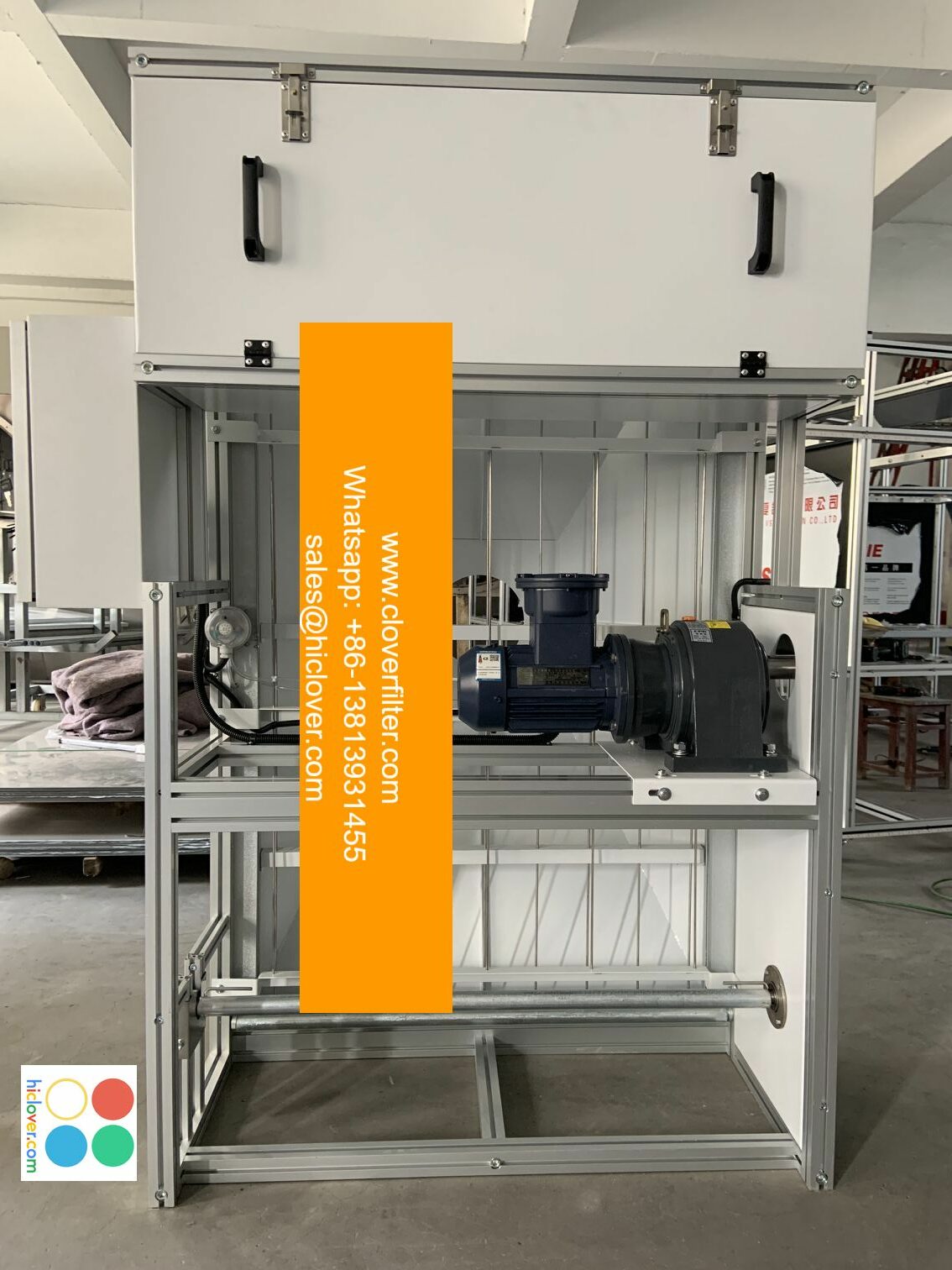
Air filter ecosystems play a crucial role in maintaining air quality, ensuring the health and safety of individuals, and protecting equipment from damage. With the increasing awareness of air pollution and its impact on human health, the demand for efficient air filter systems has risen significantly. This article provides a comprehensive review of air filter types, their applications, and the various ecosystems they are used in.
Introduction to Air Filter Types
Air filters can be broadly classified into several types, including HEPA (High Efficiency Particulate Air) filters, activated carbon filters, ultra-low penetration air (ULPA) filters, and pre-filters. Each type of filter has its unique characteristics, advantages, and applications. HEPA filters are known for their high efficiency in capturing particles as small as 0.3 microns, making them ideal for use in hospitals, clean rooms, and pharmaceutical manufacturing facilities. Activated carbon filters are effective in removing gases, odors, and chemicals from the air, making them suitable for use in industrial applications and commercial kitchens.
Applications of Air Filter Ecosystems
Air filter ecosystems are used in a wide range of applications, including indoor air quality control, industrial process control, and medical facilities. Air filtration systems are used to remove particulate matter, gases, and microorganisms from the air, ensuring a healthy and safe environment. In industrial settings, air filters are used to protect equipment and machinery from damage caused by dust, moisture, and corrosive substances.
Residential Air Filter Applications
In residential settings, air filters are used to improve indoor air quality and reduce the risk of respiratory problems. Whole-house air filtration systems are designed to work with heating, ventilation, and air conditioning (HVAC) systems to remove allergens, dust, and pollutants from the air. Portable air purifiers are also used to provide localized air cleaning in bedrooms, living rooms, and kitchens.

Commercial Air Filter Applications
In commercial settings, air filters are used to maintain a healthy and productive work environment. Office buildings, restaurants, and retail stores use air filters to remove odors, pollutants, and allergens from the air. Industrial air filtration systems are used to protect equipment and machinery from damage caused by dust, moisture, and corrosive substances.
Conclusion
In conclusion, air filter ecosystems play a vital role in maintaining air quality, ensuring the health and safety of individuals, and protecting equipment from damage. With the increasing awareness of air pollution and its impact on human health, the demand for efficient air filter systems has risen significantly. By understanding the different types of air filters and their applications, individuals and organizations can make informed decisions about the best air filter solutions for their specific needs. Whether it’s for residential, commercial, or industrial applications, air filter ecosystems are essential for maintaining a healthy and safe environment.
It looks like you’re ready to start a conversation, but you haven’t given me a specific topic or question to work with. That’s okay! I’m here to help with anything you might need.
To get us started, I can offer some suggestions:
- Ask a question: If you have a specific question about a topic, feel free to ask, and I’ll do my best to provide a detailed and accurate answer.
- Discuss a topic: If you’re interested in talking about a particular subject, such as science, history, technology, or entertainment, let me know, and we can have a conversation.
- Generate ideas: If you’re looking for ideas or inspiration, I can help with that too. Just let me know what you’re looking for (e.g., story ideas, character ideas, etc.), and I’ll do my best to assist you.
- Play a game: If you’re in the mood for something more interactive, we can play a text-based game, such as Hangman, 20 Questions, or Word Chain.
What sounds interesting to you, or do you have something else in mind?
