Air Filter Efficiency: A Comparative Analysis

Air filter efficiency is a crucial aspect of maintaining good indoor air quality, and it is essential to understand the different types of air filters available in the market. In this article, we will delve into a comparative analysis of air filter efficiency, highlighting various application areas and key considerations.
Introduction to Air Filter Efficiency
Air filter efficiency refers to the ability of an air filter to remove airborne contaminants, such as dust, pollen, and other particles, from the air. The efficiency of an air filter is typically measured by its Minimum Efficiency Reporting Value (MERV) rating, which ranges from 1 to 20. A higher MERV rating indicates a more efficient air filter.
Types of Air Filters and Their Efficiency
There are several types of air filters available, each with its own unique characteristics and efficiency levels. Some of the most common types of air filters include:
- Fiberglass air filters: These are the most basic type of air filter and have a low MERV rating of 1-4. They are relatively inexpensive but not very effective in removing airborne contaminants.
- Pleated air filters: These air filters have a higher MERV rating of 5-13 and are more efficient than fiberglass air filters. They are also more expensive and require more frequent replacement.
- High-Efficiency Particulate Air (HEPA) filters: These air filters have a very high MERV rating of 17-20 and are capable of removing 99.97% of airborne particles as small as 0.3 microns. They are commonly used in hospital and industrial settings.
- Activated carbon air filters: These air filters are designed to remove gases and odors from the air and have a MERV rating of 1-4. They are often used in combination with other types of air filters.
- Industrial settings: High-efficiency air filters are essential in industrial settings, such as manufacturing plants and warehouses, to remove airborne contaminants and improve worker health and safety.
- Commercial settings: Air filter efficiency is also important in commercial settings, such as offices and retail stores, to improve indoor air quality and reduce the risk of airborne illnesses.
- Residential settings: Homeowners can benefit from high-efficiency air filters, especially those who suffer from allergies or respiratory problems.
- Healthcare settings: HEPA air filters are commonly used in healthcare settings, such as hospitals and clinics, to remove airborne bacteria and viruses.
- MERV rating: Choose an air filter with a high MERV rating to ensure optimal efficiency.
- Filter size: Select an air filter that is compatible with your HVAC system.
- Filter material: Consider the type of filter material, such as fiberglass or pleated, and its effectiveness in removing airborne contaminants.
- Maintenance: Regularly replace and maintain your air filter to ensure optimal performance.
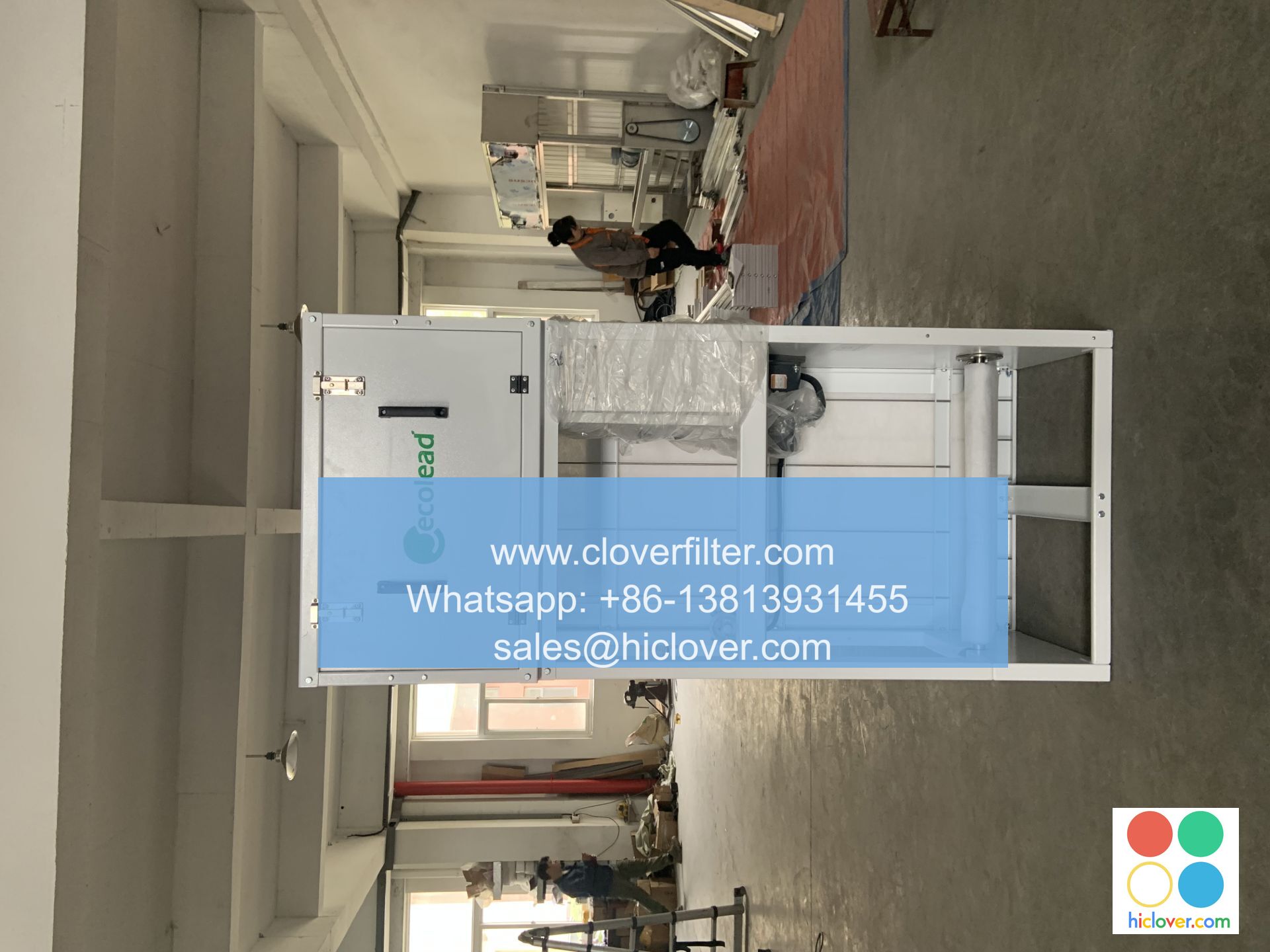
Application Areas and Key Considerations
Air filter efficiency is critical in various application areas, including:
Key considerations when selecting an air filter include:
Comparative Analysis of Air Filter Efficiency
A comparative analysis of air filter efficiency reveals that HEPA air filters are the most efficient, followed by pleated air filters and then fiberglass air filters. Activated carbon air filters are less efficient but are effective in removing gases and odors.
Conclusion
In conclusion, air filter efficiency is a critical aspect of maintaining good indoor air quality. By understanding the different types of air filters available and their efficiency levels, individuals can make informed decisions when selecting an air filter for their specific application area. Whether it’s for industrial, commercial, residential, or healthcare settings, high-efficiency air filters are essential for removing airborne contaminants and improving overall health and well-being. Regular maintenance and replacement of air filters are also crucial to ensure optimal performance and efficiency. By prioritizing air filter efficiency, individuals can breathe easy and enjoy the benefits of clean and healthy air. It seems like you’re ready to start a conversation or need assistance with something, but you haven’t specified what’s on your mind. Could you please provide more details or clarify how I can help you today?
