Air Filter Efficiency: How to Measure and Improve It
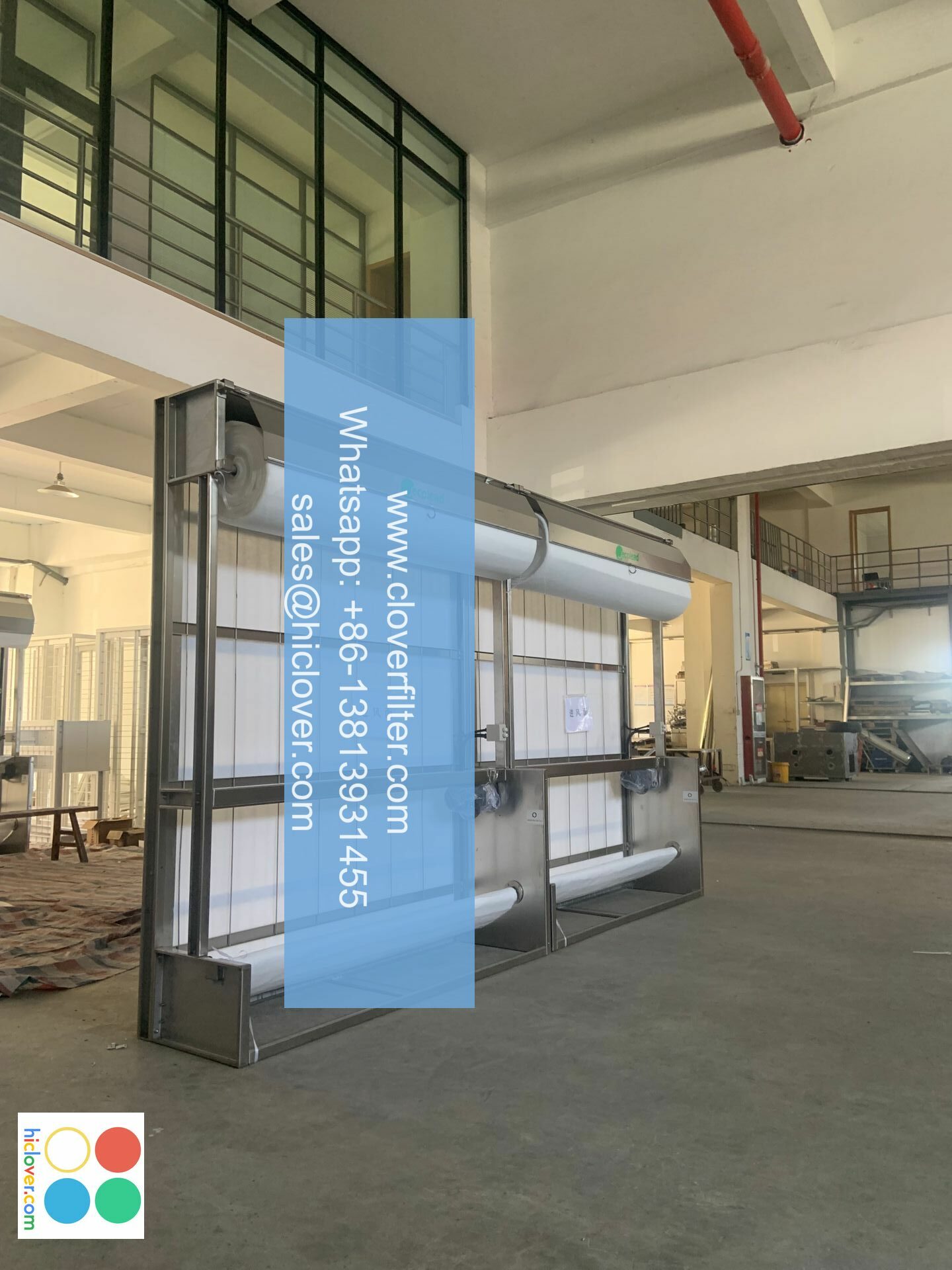
Air filter efficiency is a critical aspect of maintaining good indoor air quality, and it plays a vital role in various applications, including industrial air filtration, commercial HVAC systems, and residential air purification. In this article, we will discuss how to measure and improve air filter efficiency, highlighting its importance in different fields and providing tips for optimization.
What is Air Filter Efficiency?
Air filter efficiency refers to the ability of an air filter to remove airborne contaminants, such as dust, pollen, and other particles, from the air. It is typically measured by the filter’s ability to capture particles of a specific size, known as the Minimum Efficiency Reporting Value (MERV) rating. The higher the MERV rating, the more efficient the filter is at capturing smaller particles.
Measuring Air Filter Efficiency
There are several methods to measure air filter efficiency, including:
* Particle counting: This method involves counting the number of particles in the air before and after passing through the filter.
* Aerosol challenge testing: This method involves introducing a controlled amount of aerosol particles into the air stream and measuring the filter’s ability to capture them.
* Scanning electron microscopy (SEM): This method involves using a high-powered microscope to examine the filter’s surface and measure its particle-capture efficiency.
Improving Air Filter Efficiency
There are several ways to improve air filter efficiency, including:
* Upgrading to a higher MERV-rated filter: Replacing a lower-rated filter with a higher-rated one can significantly improve air filter efficiency.
* Regular maintenance: Regularly cleaning or replacing filters can help maintain their efficiency and prevent a decrease in performance over time.
* Optimizing filter installation: Ensuring that filters are properly installed and sealed can help prevent air leaks and improve efficiency.
* Using pre-filters or activated carbon filters: Adding pre-filters or activated carbon filters can help capture larger particles and odors, improving overall air filter efficiency.

Application Areas
Air filter efficiency is crucial in various application areas, including:
* Industrial air filtration: In industries such as pharmaceuticals, food processing, and electronics manufacturing, air filter efficiency is critical to maintaining a clean and safe environment.
* Commercial HVAC systems: In commercial buildings, air filter efficiency is essential for maintaining good indoor air quality and reducing energy consumption.
* Residential air purification: In homes, air filter efficiency is important for removing allergens, dust, and other particles that can exacerbate respiratory issues.
Conclusion
Air filter efficiency is a critical aspect of maintaining good indoor air quality, and it plays a vital role in various applications. By understanding how to measure and improve air filter efficiency, individuals and organizations can optimize their air filtration systems, reducing energy consumption and improving overall air quality. Whether in industrial air filtration, commercial HVAC systems, or residential air purification, air filter efficiency is essential for maintaining a healthy and safe environment. It looks like you didn’t include a prompt! Please go ahead and give me something to work with, whether it’s a question, a topic, or a prompt to spark a conversation. I’m here to help!
