Air Filter Efficiency: What You Need to Know
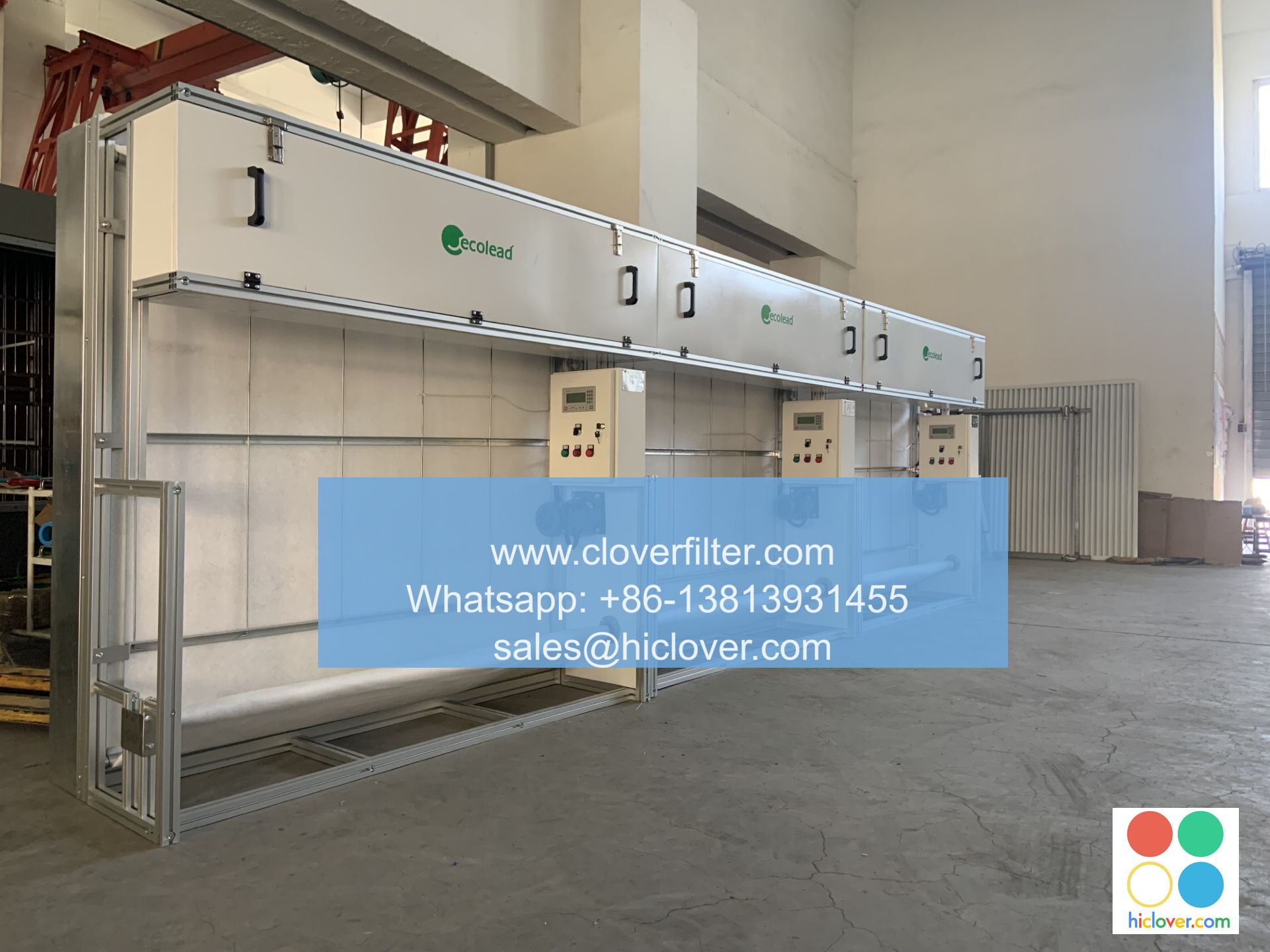
When it comes to maintaining good indoor air quality, air filter efficiency plays a crucial role. Air filters are designed to remove pollutants, allergens, and other airborne particles from the air, improving the overall health and comfort of occupants in a building. In this article, we will delve into the world of air filter efficiency, exploring its importance, types, and applications in various industries.
Understanding Air Filter Efficiency
Air filter efficiency refers to the ability of an air filter to capture and remove airborne particles, ranging from PM2.5 (particulate matter 2.5 micrometers or smaller) to larger particles like dust, pollen, and mold spores. The efficiency of an air filter is measured by its Minimum Efficiency Reporting Value (MERV) rating, which ranges from 1 to 20. The higher the MERV rating, the more efficient the filter is at capturing smaller particles.
Types of Air Filters and Their Applications
There are several types of air filters, each with its own unique characteristics and applications:
* HEPA (High Efficiency Particulate Air) filters: These filters are designed to capture 99.97% of particles as small as 0.3 micrometers, making them ideal for hospital and healthcare applications, where the risk of airborne infections is high.
* Activated Carbon filters: These filters are effective at removing odors, gases, and volatile organic compounds (VOCs) from the air, making them suitable for industrial and commercial applications, such as restaurants, bars, and offices.
* Electrostatic filters: These filters use an electrostatic charge to attract and trap particles, making them a popular choice for residential and commercial HVAC systems.
* Pleated filters: These filters are designed to capture larger particles like dust and pollen, making them suitable for residential applications and light commercial use.
Applications of Air Filter Efficiency
The importance of air filter efficiency extends to various industries and applications, including:
* Indoor Air Quality (IAQ) management: Air filters play a critical role in maintaining good IAQ, which is essential for occupant health and productivity in office buildings, schools, and other commercial settings.
* Aerospace and automotive industries: High-efficiency air filters are used to protect sensitive equipment and ensure cleanroom environments in these industries.
* Food processing and pharmaceutical industries: Air filters are used to maintain sterile environments and prevent contamination in these industries.
* Residential and commercial HVAC systems: Air filters are used to improve indoor air quality, reduce energy consumption, and prolong equipment lifespan in these systems.

Conclusion
In conclusion, air filter efficiency is a critical aspect of maintaining good indoor air quality, and its importance extends to various industries and applications. By understanding the different types of air filters and their applications, individuals and organizations can make informed decisions about the best air filtration solutions for their specific needs. Whether it’s for residential, commercial, or industrial use, air filter efficiency is essential for creating a healthier, more comfortable, and more productive environment. I’m ready to help. What would you like to talk about or ask?
