Air Filter Eligibility: Key Terms You Should Know

- Understanding air filter terms and conditions is crucial for effective procurement.
- Different filter types serve unique industrial applications.
- Automatic Roll Air Filters provide efficient media change with reduced downtime.
- Awareness of filters’ maintenance needs ensures optimal performance.
- Compliance with industry standards enhances reliability and system design.
- Selecting the right filter reduces operational costs over time.
- Keeping updated with terminology builds better supplier relationships.
- Airflow Range: Ensure the filter can handle the required cubic feet per minute (CFM).
- Face Velocity: Typically, a face velocity of 300 to 600 feet per minute (fpm) ensures proper filtration without compromising system pressure.
- Media Width/Length: Filter dimensions must align with existing AHU specifications to fit properly.
- Frame Size: Frame construction and compatibility with existing systems improve operational efficiencies.
- Control Options: Automatic filters may have smart control systems integrating with building management for quicker adjustments.
- Power Supply: Ensure compatibility with system voltage requirements.
- Installation Location: Filters can be positioned at fresh air intakes, return ducts, or in process environments based on application needs.
- Overlooking the airflow compatibility of the filters.
- Ignoring maintenance schedules, leading to clogged systems.
- Choosing filters based on price rather than application needs.
- Not considering space constraints during installation.
- Misunderstanding the required pressure drop and airflow dynamics.
- Failing to consult with suppliers for the latest technology and efficiency gains.
- Not validating supplier claims against compliance standards.
- Ignoring the proper fit for existing frames.
- Skipping performance monitoring after installation.
- Assuming all filters perform similarly without understanding specifications.
- Familiarize yourself with air filter terms and conditions for informed purchasing.
- Understanding filter types and their applications enhances operational effectiveness.
- Automatic Roll Air Filters minimize downtime and maintenance.
- Selecting the right filter lowers long-term operating costs.
- Evaluating compliance with industry standards can ensure the quality of air filtration systems.
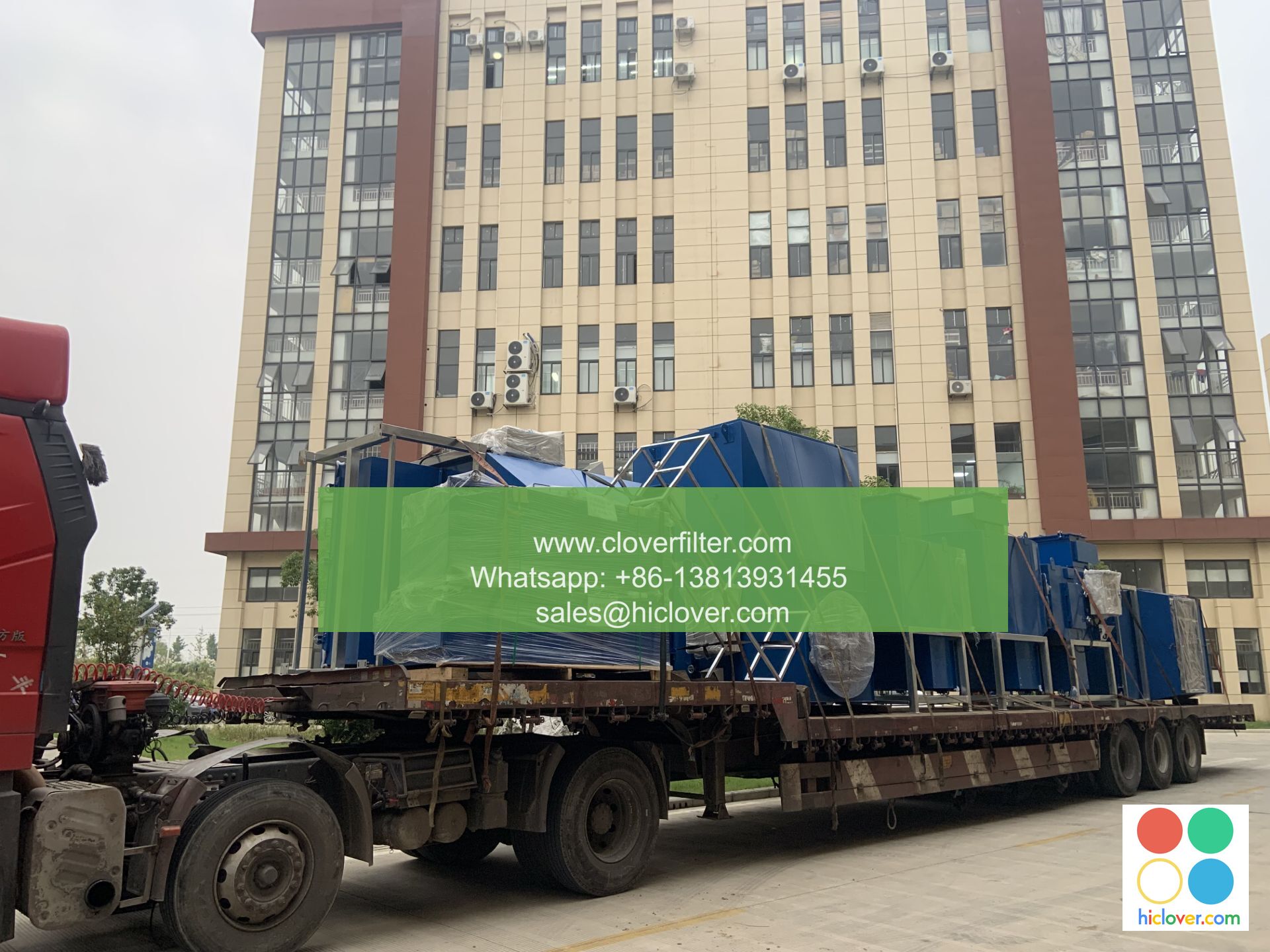
Understanding the Automatic Roll Air Filter
An Automatic Roll Air Filter is a state-of-the-art filtration solution designed for various industrial applications, such as data centers, cleanrooms, and manufacturing facilities. This type of filter utilizes advanced roll media that can automatically advance upon reaching a predetermined differential pressure, ensuring continuous performance. When the air resistance increases due to accumulated particulate, a timer or differential pressure trigger engages the filter media to advance, allowing fresh filter material to take its place. This innovative mechanism minimizes maintenance interruptions and assures a constant airflow for systems like HVAC or air handling units (AHUs).

Air Filter Terms and Conditions
Knowledge of air filter terms and conditions is fundamental in guiding procurement decisions. Understanding the specifications such as MERV ratings, ISO standards, and airflow designs can significantly influence filter performance and suitability for specific applications.
The Role of Automatic Roll Filters in HVAC/AHU Systems
Automatic Roll Filters play a pivotal role in modern HVAC systems, particularly in environments where air purity is critical. By integrating seamlessly into AHU setups, they enhance both the operational efficiency and indoor air quality. They serve as AHU prefilters, managing incoming air from fresh air intakes while interlacing with the overall system to meet particulate control objectives.
Practical Selection Guide for Air Filters
Choosing the right air filter involves considering several key parameters:
Comparison Table of Air Filters
| Filter Type | Best Use Case | Maintenance | Pressure Drop Behavior | Operating Cost | Typical Risk/Downside |
|---|---|---|---|---|---|
| Automatic Roll Filter | Continuous operation, high air purity | Low | Moderate | Moderate to low | Initial setup cost, space |
| Bag Filter | General manufacturing | Moderate | Moderate to high | Moderate | Limited lifespan |
| Panel Filter | Cost-sensitive applications | High | Low to moderate | Low | Frequent replacements |
| V-bank | High efficiency & filtration value | Low | High | High | Size constraints |
Common Mistakes & How to Avoid Them
Real-World Scenarios
Data Center
In a data center, an Automatic Roll Air Filter was installed at the fresh air intake. Within months, the facility noticed a significant reduction in energy usage, with differential pressure readings remaining optimal—ensuring electronic equipment stayed cool while maintaining air quality.
Battery Factory
A lithium battery manufacturing plant integrated the Automatic Roll Filter as a part of their production line. The filter offered higher particulate control, crucial for preventing contamination during sensitive processes.
Paint Shop
A large paint shop transitioned to CloverFilter’s Automatic Roll Air Filter to combat increased VOC emissions. The integration ensured compliance with health regulations while optimizing ventilation and making sure the air was consistently filtered and refreshed.
Textile/Steel/Cement Plant
For a textile mill, installing the Automatic Roll Filter allowed for extended filter life and minimized maintenance downtime, leading to better product quality and enhanced worker safety.
FAQ Section
1. What are MERV ratings, and why are they important?
MERV ratings classify filters based on their ability to capture particles of various sizes. Higher ratings indicate better performance.
2. How does an Automatic Roll Air Filter reduce maintenance needs?
These filters advance their media automatically when resistance increases, minimizing manual filter changes and ensuring constant filtration.
3. What is the typical lifespan of an Automatic Roll Air Filter?
Lifespan depends on usage and particulate load, but routine monitoring can significantly extend effective service.
4. Can these filters accommodate varying airflow conditions?
Yes, Automatic Roll Filters can handle a range of airflow conditions, making them adaptable for different operational needs.
5. Are CloverFilter products compliant with ISO 16890 standards?
While compliance details may vary, CloverFilter products align with common industry standards, available upon request.
6. How do I determine the correct size for my filters?
Always refer to your system’s specifications and consult with manufacturers like CloverFilter to find the right fit for your application.
7. What’s the difference between bag filters and panel filters?
Bag filters generally have higher filtration efficiency and capacity, ideal for demanding environments, while panel filters are cost-effective for less stringent applications.
8. Do I need to consider the power supply for these filters?
Yes, selecting filters that are compatible with your current electrical setup ensures seamless integration and optimal performance.
9. How do I ensure the best air filtration within my facility?
Regularly monitor and assess filter performance, and consult with suppliers like CloverFilter for tailored solutions.
10. What steps can I take for effective filter maintenance?
Implement a maintenance schedule, regularly check differential pressure, and ensure timely replacements to optimize performance.
Key Takeaways
Meta Description: Discover key air filter terms and conditions important for industrial procurement. Improve your filtering efficiency with CloverFilter’s Automatic Roll Filters.
For tailored air filtration solutions, reach out to CloverFilter at CloverFilter contact.
It looks like your message got cut off! Could you please provide more details or clarify what you’re looking for?
