Air Filter Energy Efficiency: A Study of Government Mandates
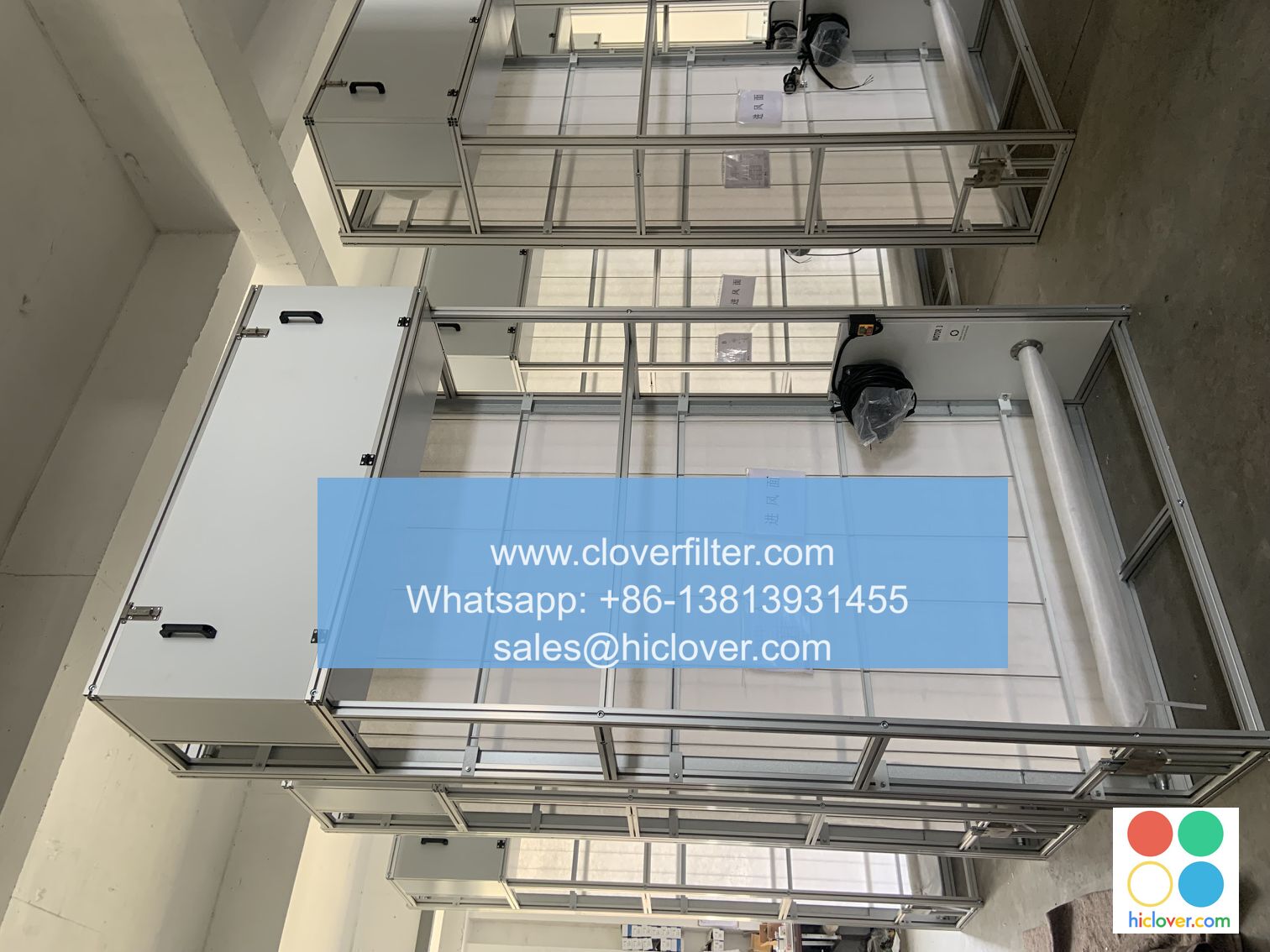
The increasing focus on energy efficiency and sustainability has led governments worldwide to implement mandates and regulations aimed at reducing energy consumption and mitigating the impact of climate change. One crucial aspect of this effort is the optimization of air filter energy efficiency in various application areas, including industrial, commercial, and residential settings. This article delves into the realm of government policies and their effects on the development and implementation of energy-efficient air filters.
Introduction to Air Filter Energy Efficiency
Air filters are an essential component in heating, ventilation, and air conditioning (HVAC) systems, playing a critical role in maintaining indoor air quality (IAQ) and thermal comfort. However, conventional air filters can lead to increased energy consumption due to their resistance to airflow, which in turn, increases the load on HVAC systems. The development of energy-efficient air filters has become a priority, driven by the need to reduce greenhouse gas emissions and comply with energy efficiency standards.
Government Mandates and Regulations
Governments around the world have introduced various mandates and regulations to encourage the adoption of energy-efficient technologies, including air filters. For instance, the European Union’s Energy Performance of Buildings Directive (EPBD) sets requirements for the energy performance of buildings, which includes the use of energy-efficient HVAC systems and air filters. Similarly, in the United States, the Department of Energy (DOE) has established energy efficiency standards for commercial and industrial HVAC systems, which includes guidelines for air filter selection.
Application Areas and Energy Efficiency Benefits
The application of energy-efficient air filters can be seen in various sectors, including:
* Industrial applications: Manufacturing facilities, power plants, and other industrial settings can benefit from energy-efficient air filters by reducing energy consumption and lowering operating costs.
* Commercial applications: Offices, hospitals, and shopping centers can improve IAQ and reduce energy consumption by using energy-efficient air filters.
* Residential applications: Homeowners can also benefit from energy-efficient air filters by reducing energy consumption and improving thermal comfort.
The use of energy-efficient air filters can lead to significant energy savings, with some studies indicating a reduction in energy consumption of up to 20-30%. Additionally, energy-efficient air filters can also improve IAQ by capturing particulate matter (PM), volatile organic compounds (VOCs), and other air pollutants.

Technological Advancements and Future Directions
The development of energy-efficient air filters is an ongoing process, driven by advances in materials science and filter design. Some of the key technological advancements include:
* Nanofiber-based air filters: These filters offer improved filtration efficiency and reduced pressure drop, resulting in increased energy efficiency.
* Electrostatic air filters: These filters use electrostatic charges to capture air pollutants, reducing the need for replacement filters and minimizing waste disposal.
* Smart air filters: These filters integrate sensors and monitoring systems to optimize filter performance and detect filter replacement needs.
As the demand for energy-efficient solutions continues to grow, the development of innovative air filter technologies will play a crucial role in reducing energy consumption and mitigating the impact of climate change. Governments, manufacturers, and consumers must work together to promote the adoption of energy-efficient air filters and create a more sustainable future. It seems like you’re ready to start a conversation or ask a question, but you haven’t given me a specific prompt yet. Could you please provide more details or clarify what you’re looking for? I’m here to help with any questions, topics, or tasks you have in mind!
