Air Filter for HVAC Systems: A Guide for Homeowners and Commercial Property Managers
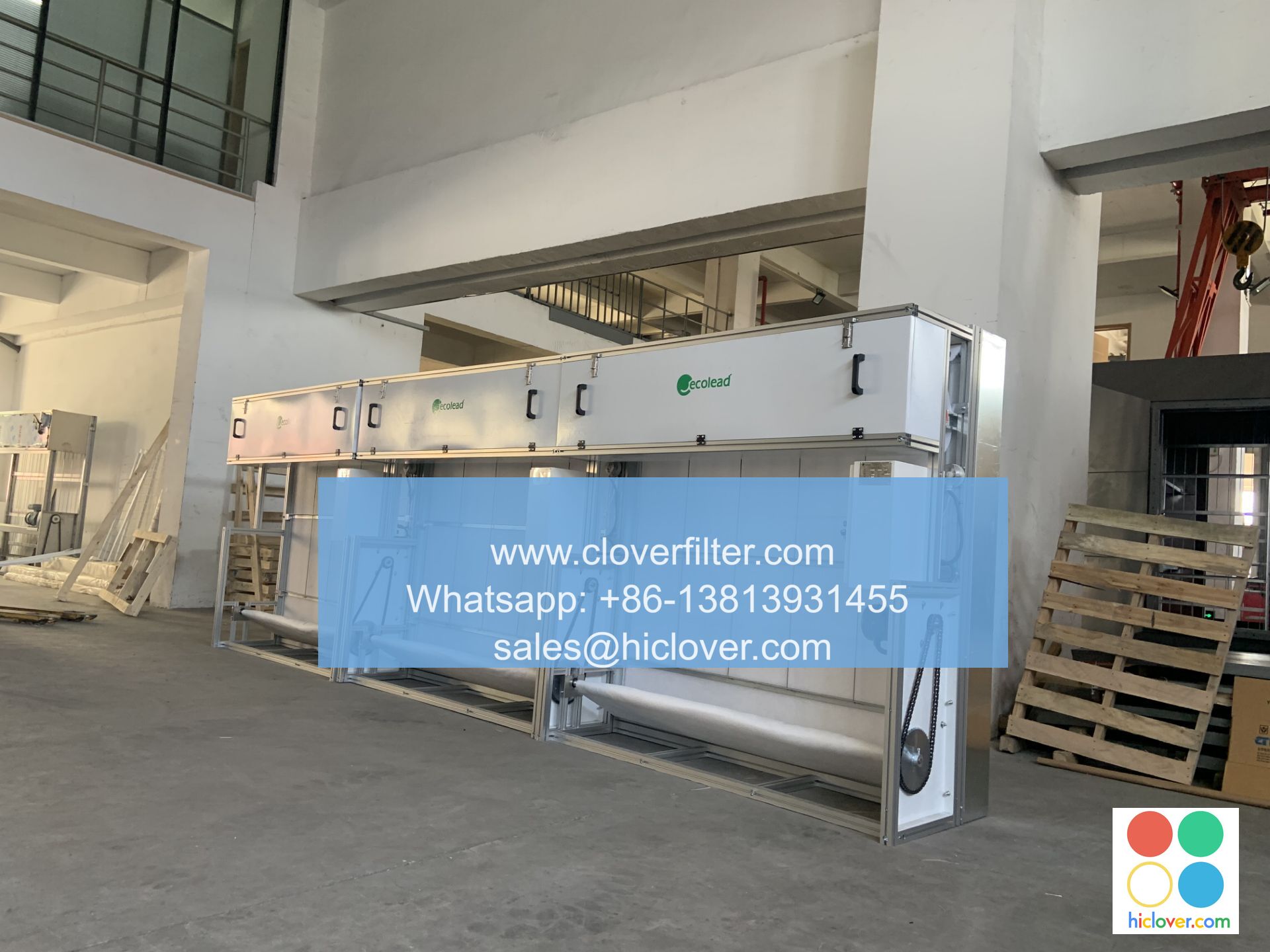
As a homeowner or commercial property manager, maintaining a comfortable and healthy indoor environment is crucial. One of the most critical components of an HVAC (Heating, Ventilation, and Air Conditioning) system is the air filter. In this article, we will provide a comprehensive guide on air filters for HVAC systems, highlighting various application areas, and discussing the importance of indoor air quality, air filtration systems, and energy efficiency.
Why Air Filters are Important
Air filters play a vital role in maintaining good indoor air quality by removing airborne pollutants, allergens, and bacteria from the air. A good air filter can help prevent the spread of respiratory diseases, reduce
Types of Air Filters
There are several types of air filters available, each with its unique characteristics and benefits. Some of the most common types of air filters include:
* Fiberglass filters: These are the most basic type of air filter and are designed to capture large particles such as dust and dirt.
* Pleated filters: These filters have a larger surface area than fiberglass filters and can capture smaller particles, including pollen and mold spores.
* HEPA filters: These filters are designed to capture 99.97% of particles as small as 0.3 microns, making them ideal for
* Activated carbon filters: These filters are designed to capture gases and odors, making them ideal for indoor air quality applications.
Application Areas
Air filters are used in a variety of application areas, including:
* Residential HVAC systems: Air filters are used in residential HVAC systems to maintain good indoor air quality and improve energy efficiency.
* Commercial HVAC systems: Air filters are used in commercial HVAC systems to maintain
* Industrial HVAC systems: Air filters are used in industrial HVAC systems to maintain good indoor air quality and improve energy efficiency in manufacturing facilities, warehouses, and other industrial settings.
* Healthcare facilities: Air filters are used in healthcare facilities to maintain sterile environments and prevent the spread of
Benefits of Air Filters
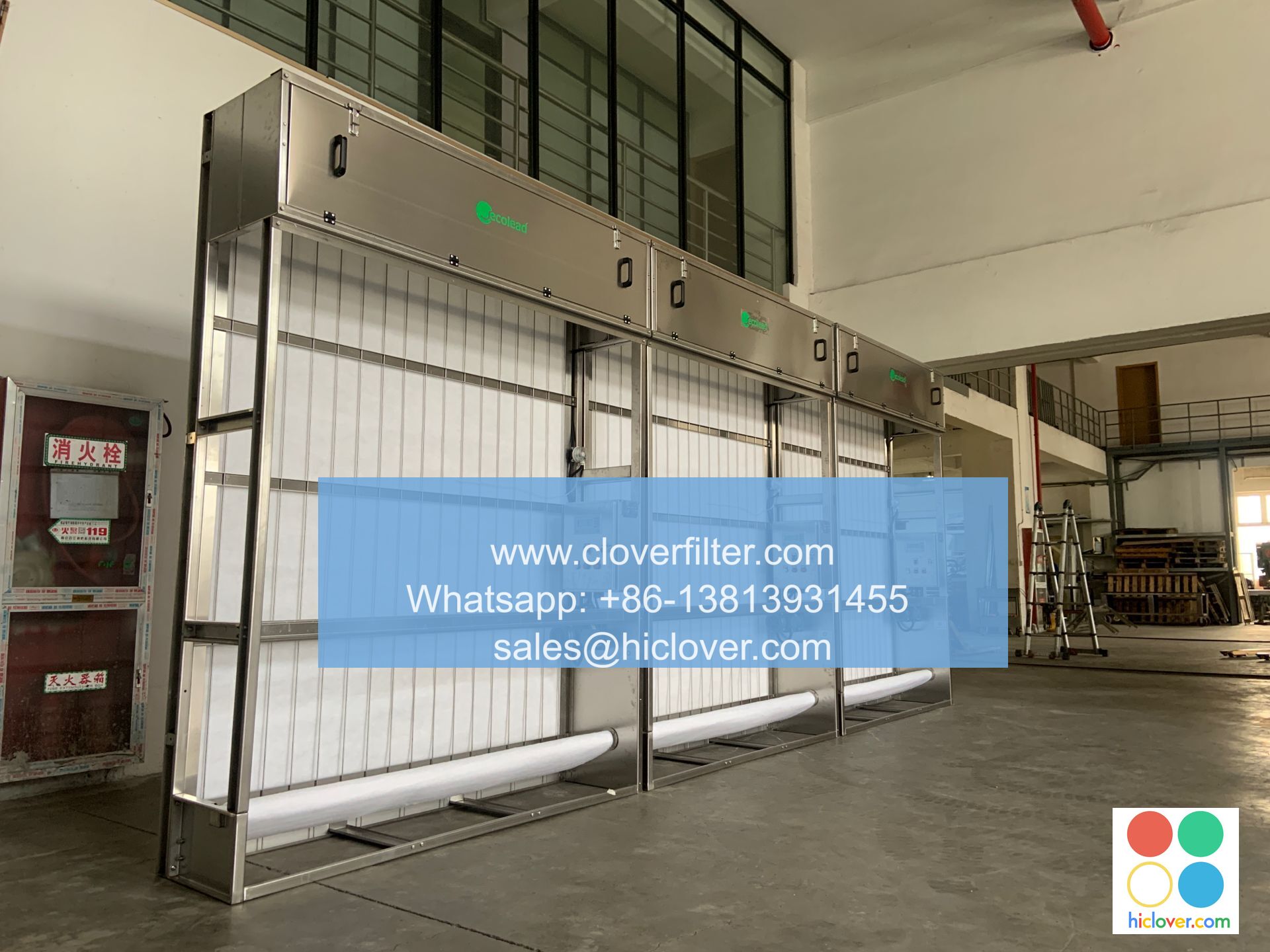
The benefits of air filters are numerous and include:
* Improved indoor air quality: Air filters can remove airborne pollutants, allergens, and bacteria from the air, improving indoor air quality and reducing the risk of
* Increased energy efficiency: A clean air filter can improve the energy efficiency of an HVAC system, reducing energy consumption and costs.
* Extended equipment life: A clean air filter can help extend the life of an HVAC system by reducing wear and tear on the equipment.
* Cost savings: Air filters can help reduce energy costs and extend the life of an HVAC system, resulting in cost savings over time.
Conclusion
In conclusion, air filters are a critical component of an HVAC system, playing a vital role in maintaining good indoor air quality, improving energy efficiency, and reducing energy costs. By understanding the different types of air filters, application areas, and benefits, homeowners and commercial property managers can make informed decisions when it comes to selecting and maintaining air filters for their HVAC systems. Whether you’re looking to improve indoor air quality, reduce energy costs, or extend the life of your HVAC system, air filters are an essential component that should not be overlooked. It seems like you forgot to include the prompt. Please go ahead and provide the prompt, and I’ll do my best to assist you!
