Air Filter for Specific Needs
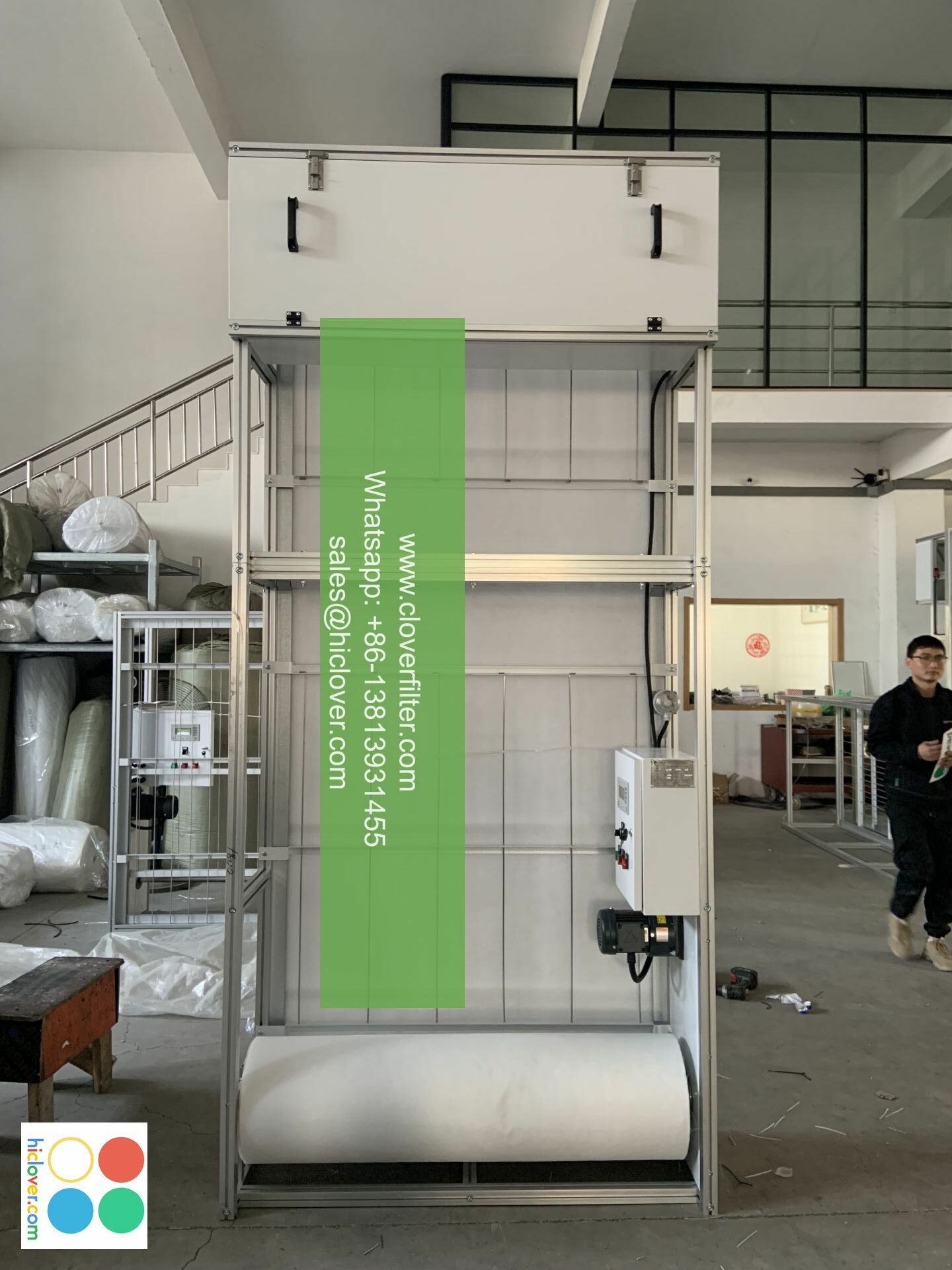
In today’s world, where air pollution is a significant concern, having an effective air filter is crucial for maintaining good health and well-being. Different environments and situations require air filters with specific features, and understanding these needs is essential for choosing the right air filtration system. This article will explore the various types of air filters for specific needs, highlighting their applications, benefits, and key characteristics.
Air Filters for Allergies and Asthma
For individuals suffering from allergies and asthma, a high-quality air filter is vital for reducing symptoms and preventing attacks. HEPA (High Efficiency Particulate Air) filters are highly effective in capturing 99.97% of particles as small as 0.3 microns, including dust, pollen, mold, and pet dander. These filters are particularly useful in residential air purification systems, commercial air cleaning solutions, and industrial air filtration applications. By incorporating HEPA filters into their air purification systems, individuals can significantly improve their indoor air quality and alleviate allergy and asthma symptoms.
Air Filters for Pet Owners and Smokers
Pet owners and smokers require air filters that can effectively remove pet dander, smoke, and odors from the air. Activated carbon filters are excellent for absorbing gases, odors, and chemicals, making them an ideal choice for these situations. Additionally, electrostatic air filters can trap pet dander and other particles, providing a cleaner and healthier environment. These filters are commonly used in whole-house air purification systems, portable air cleaners, and air purifiers for smokers.
Air Filters for Industrial and Commercial Applications
In industrial and commercial settings, air filters play a critical role in maintaining a safe and healthy work environment. Industrial air filters are designed to capture large amounts of dust, debris, and other particles, while commercial air filters focus on removing airborne contaminants and improving indoor air quality. These filters are often used in manufacturing facilities, hospitals, schools, and office buildings, where air quality is essential for employee health and productivity.

Air Filters for Vehicle and Automotive Applications
Vehicle air filters are designed to improve the air quality inside cars, trucks, and other vehicles. Cabin air filters capture dust, pollen, and other particles, while engine air filters ensure that the engine receives clean air, improving performance and fuel efficiency. These filters are essential for vehicle maintenance and can help reduce allergy symptoms and respiratory problems associated with poor air quality.
Air Filters for Medical and Healthcare Applications
In medical and healthcare settings, air filters are crucial for preventing the spread of airborne infections and maintaining a sterile environment. HEPA filters and ultra-low penetration air (ULPA) filters are commonly used in hospitals, clinics, and laboratories to capture airborne pathogens and contaminants. These filters are essential for infection control and patient safety, and are often used in operating rooms, intensive care units, and isolation rooms.
In conclusion, air filters for specific needs are designed to address unique challenges and applications. By understanding the different types of air filters and their characteristics, individuals can choose the most effective solution for their particular situation, whether it’s for residential air purification, commercial air cleaning, or industrial air filtration. By incorporating the right air filter into their environment, individuals can improve indoor air quality, reduce symptoms, and create a healthier and more comfortable space. It seems like you’re ready to start a conversation or ask a question, but you haven’t provided a specific prompt yet. Could you please provide more details or clarify what you’re looking for? I’m here to help with any questions or topics you’d like to discuss!
