Air Filter Frame Materials: What’s the Most Sustainable Option?
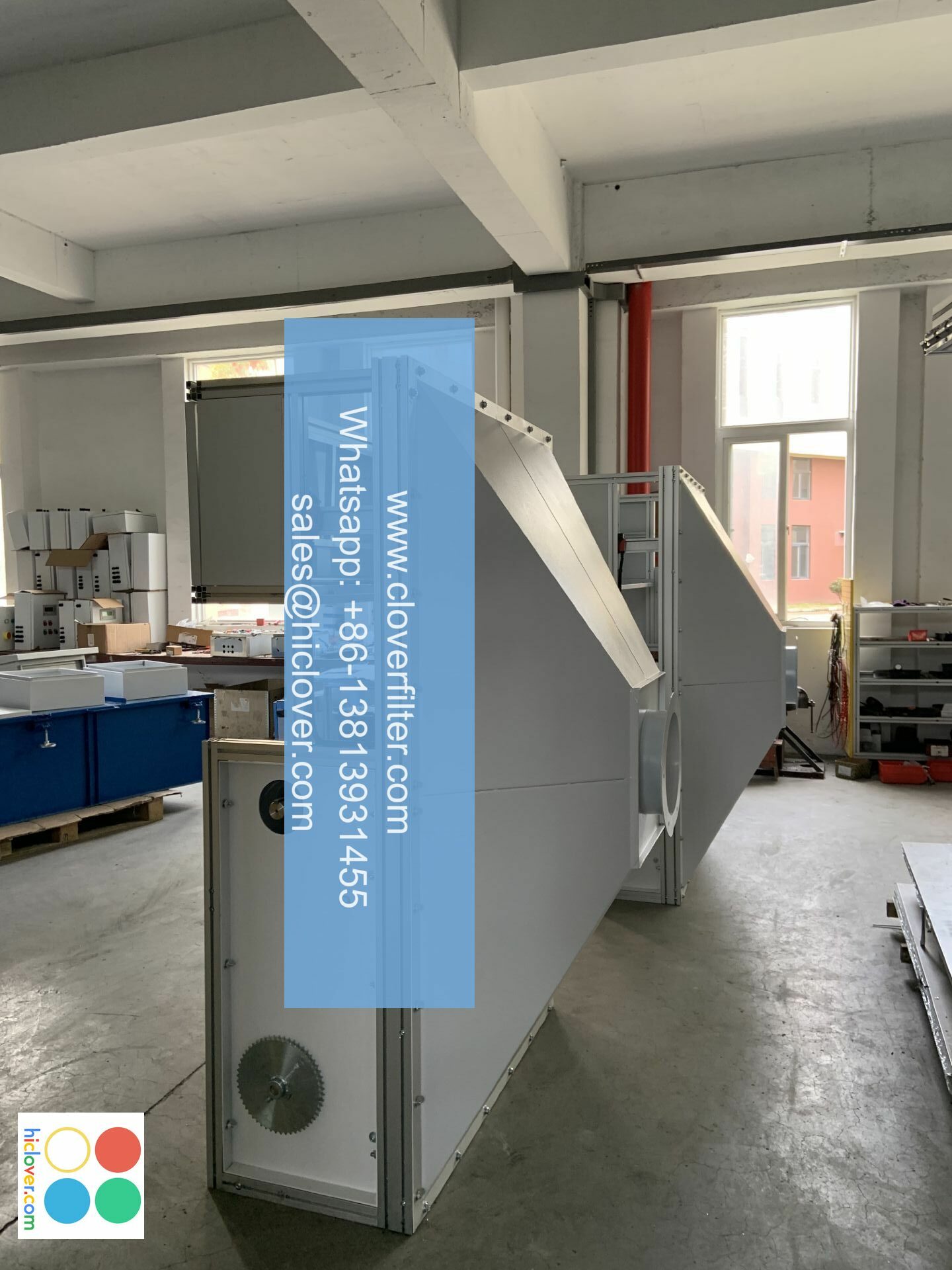
Air filtration is an essential aspect of maintaining indoor air quality, particularly in environments like residential spaces, commercial buildings, and industrial settings. With increasing awareness of environmental issues, selecting sustainable materials for air filter frames has gained importance. In this article, we will explore various air filter frame materials, their sustainability, and their effectiveness in different application areas.
Understanding Air Filter Frame Materials

The frame of an air filter plays a critical role in maintaining its structural integrity and ensuring optimal airflow. Common materials used for air filter frames include:
- Plastic
- Metal
- Cardboard
- Composite Materials
Each of these materials has its own sustainability profile and application suitability.

Plastic Frames
Plastic frames are widely used due to their affordability and durability. However, conventional plastics may have a significant environmental impact, leading to increased carbon footprints and landfill waste.
Pros:
- Lightweight and easy to manufacture
- Resistant to corrosion and moisture
Cons:
- Typically not biodegradable
- Can contribute to microplastic pollution
Application Areas: Commonly found in HVAC systems and portable air purifiers, plastic frames are suitable for residential and commercial use where cost-effectiveness is key.
Metal Frames
Metal frames, often made of aluminum or galvanized steel, offer durability and strength. They are typically reusable and recyclable, making them a more sustainable choice than conventional plastics.
Pros:
- Long-lasting and robust
- Recyclable at the end of their life cycle
Cons:
- Heavier than plastic
- Requires more energy for manufacturing
Application Areas: Metal frames are frequently used in industrial air filtration systems and high-performance applications where strength and longevity are essential.
Cardboard Frames
Cardboard frames are an eco-friendly option, as they are made from recyclable materials and can be composted after use.
Pros:
- Biodegradable and made from renewable resources
- Lightweight and cost-effective
Cons:
- Less durable than plastic or metal options
- May not withstand high humidity or moisture environments
Application Areas: Cardboard frames are ideal for residential HVAC filters and disposable filters used in less demanding environments like temporary offices or homes.
Composite Materials
Composite frame materials combine various elements, such as recycled plastics and natural fibers. This innovative approach aims to enhance sustainability while maintaining functionality.
Pros:
- Potentially lower environmental impact
- Can be designed for specific performance requirements
Cons:
- May not yet be widely available and can be more expensive
Application Areas: Composite frames have promising applications in green building designs and high-efficiency filtration systems, appealing to eco-conscious consumers.
Comparing Sustainability
When assessing the sustainability of air filter frame materials, several factors must be considered:
- Life Cycle Analysis: Understanding the entire life cycle of a material—from extraction to disposal—is critical for evaluating its environmental impact.
- Recyclability: Easily recyclable materials like metal can significantly reduce landfill contributions.
- Biodegradability: Options such as cardboard frames present lower long-term environmental risks, as they decompose.
Conclusion: Choosing the Most Sustainable Option
When it comes to air filter frame materials, there is no one-size-fits-all solution. The best choice hinges on specific application requirements and sustainability goals.
- For cost-effective, short-term solutions, plastic or cardboard frames might suffice.
- For durable and long-term use, metal frames are preferable, while composite materials could strike a balance between sustainability and performance.
Ultimately, making informed choices about air filter frame materials can lead to better indoor air quality and contribute to environmental sustainability. As technology advances, we can expect to see more innovative and eco-friendly materials enter the market, paving the way for a greener future in air filtration.
It seems like you entered “Prompt” without any specific context or details. Could you please provide more information or clarify what type of prompt you are looking for? Whether it’s for writing, brainstorming ideas, or any other purpose, I’m here to help!
