Air Filter Implementation in Telecommunications and Data Centers
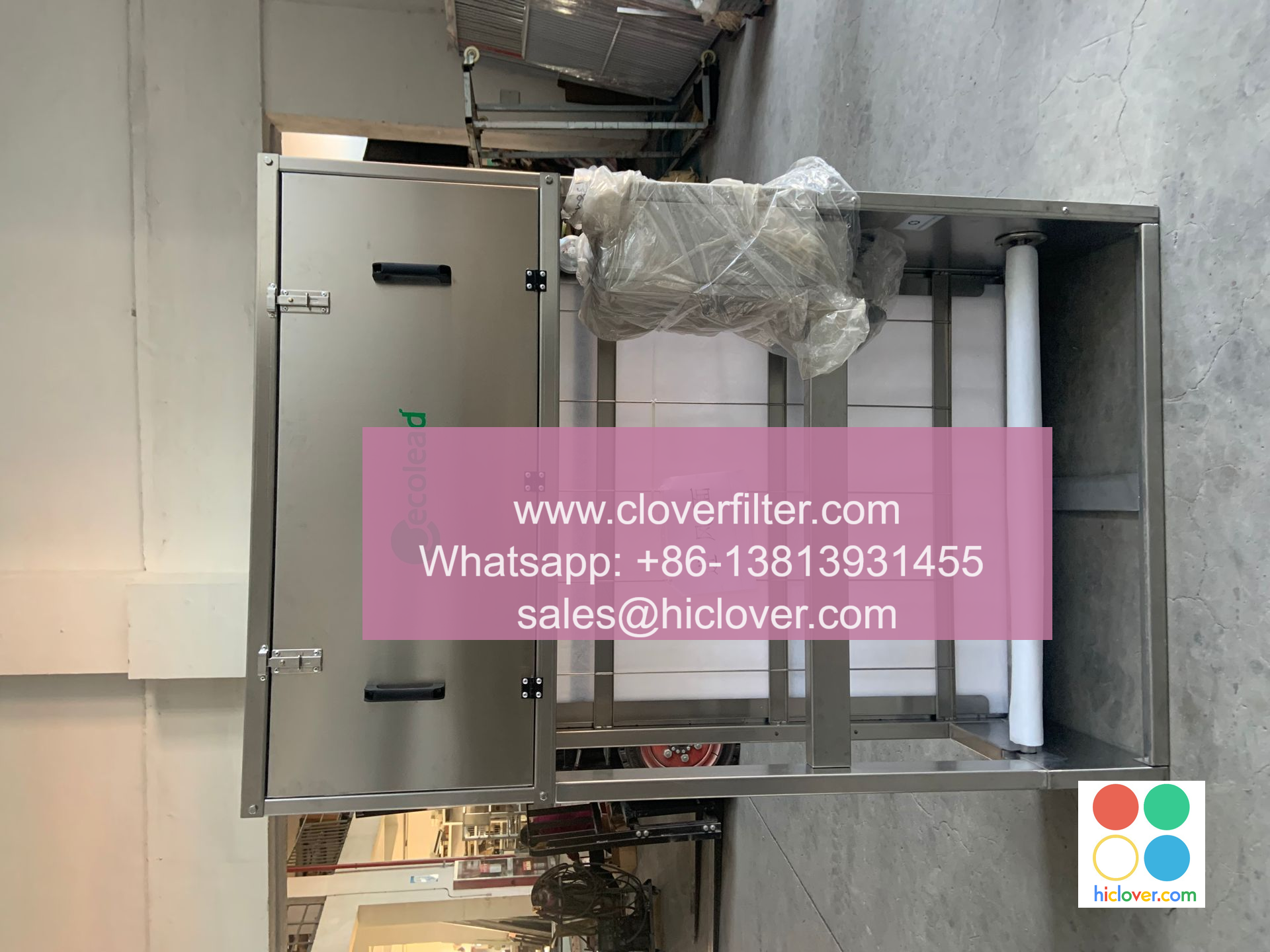
The telecommunications and data center industries rely heavily on complex electronic equipment to operate efficiently. However, these sensitive devices are prone to damage from dust, dirt, and other airborne contaminants, which can lead to reduced performance, increased downtime, and higher maintenance costs. To mitigate these risks, air filter implementation plays a crucial role in maintaining a clean and stable environment for these critical facilities. In this article, we will delve into the importance of air filtration systems in telecommunications and data centers, highlighting various application areas and key benefits.
Why Air Filtration is Essential in Telecommunications and Data Centers
Telecommunications and data centers are mission-critical facilities that require reliable and efficient operation. The presence of airborne contaminants can compromise the performance and lifespan of sensitive equipment, leading to premature failure and costly downtime. Effective air filter implementation helps to prevent these issues by removing particulate matter, gases, and volatile organic compounds (VOCs) from the air, ensuring a clean and stable environment for equipment operation.
Application Areas for Air Filtration in Telecommunications and Data Centers
Air filtration systems are used in various application areas within telecommunications and data centers, including:
* Server rooms and data halls to protect sensitive IT equipment from dust and other contaminants
* Telecommunications equipment rooms to ensure reliable operation of critical network infrastructure
* Power generation and distribution areas to prevent damage to electrical equipment from airborne contaminants
* Climate control systems to maintain optimal temperature and humidity levels, reducing the risk of equipment failure
Benefits of Air Filter Implementation in Telecommunications and Data Centers
The implementation of effective air filtration systems in telecommunications and data centers offers numerous key benefits, including:
* Improved equipment reliability and reduced downtime
* Increased energy efficiency through reduced cooling requirements
* Extended equipment lifespan and reduced maintenance costs
* Enhanced data security through reduced risk of equipment failure and data loss
* Compliance with regulatory requirements and industry standards for air quality and equipment operation
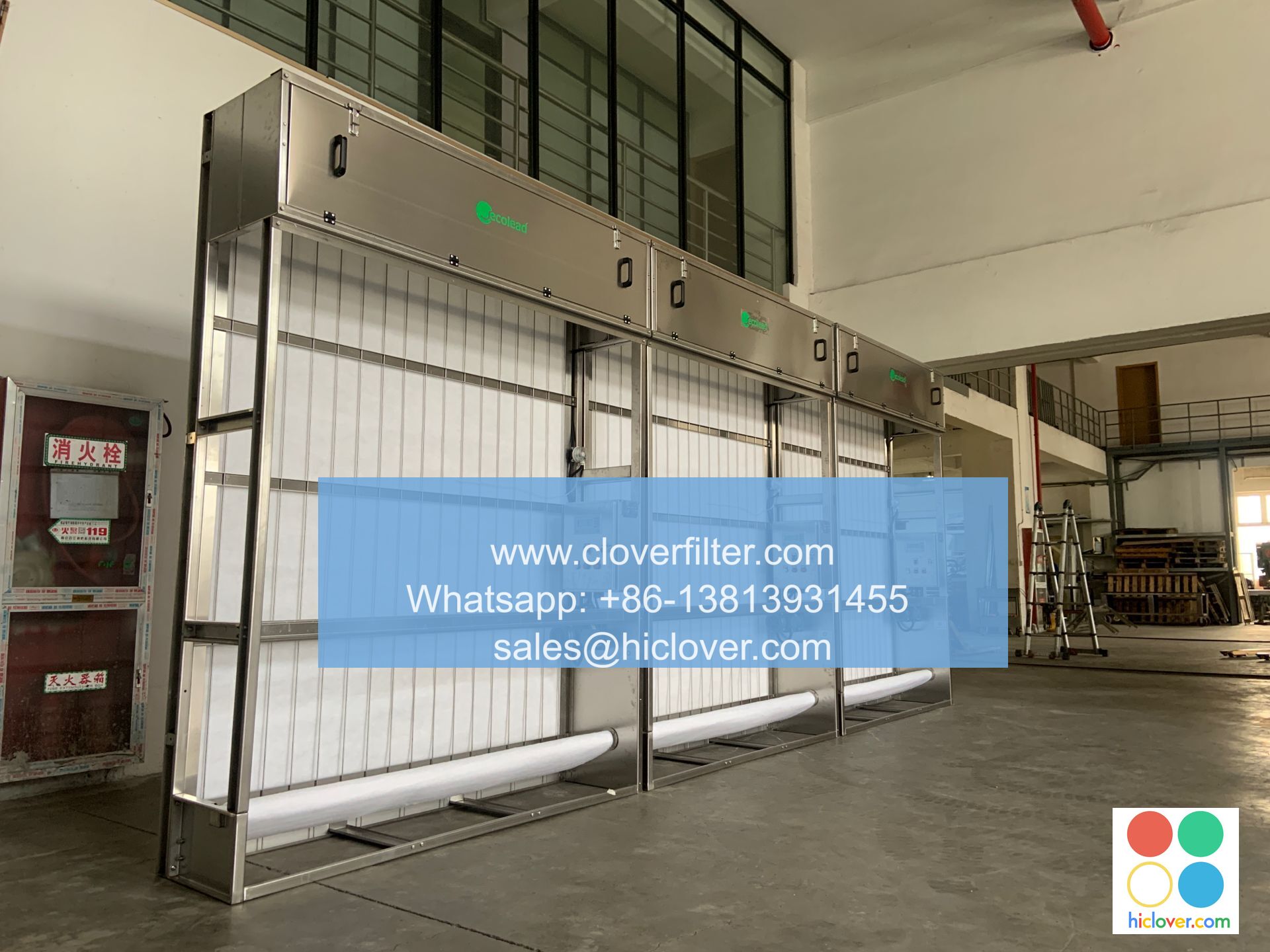
Best Practices for Air Filter Implementation in Telecommunications and Data Centers
To ensure optimal performance and benefits from air filtration systems, the following best practices should be followed:
* Regular filter maintenance and replacement schedules should be established to ensure optimal filter performance
* Air quality monitoring should be conducted to identify potential issues and optimize filter performance
* Filter selection should be based on specific application requirements and industry standards
* Training and education should be provided to personnel on the proper use and maintenance of air filtration systems
In conclusion, air filter implementation is a critical component of telecommunications and data center operation, playing a vital role in maintaining a clean and stable environment for sensitive equipment. By understanding the importance of air filtration systems and following best practices for implementation and maintenance, facilities can ensure optimal performance, reliability, and efficiency, while minimizing the risk of equipment failure and costly downtime. You haven’t asked a question or provided any context. Please provide more information or ask a question so I can assist you.
