Air Filter Implementation: Lessons Learned from Successful Projects
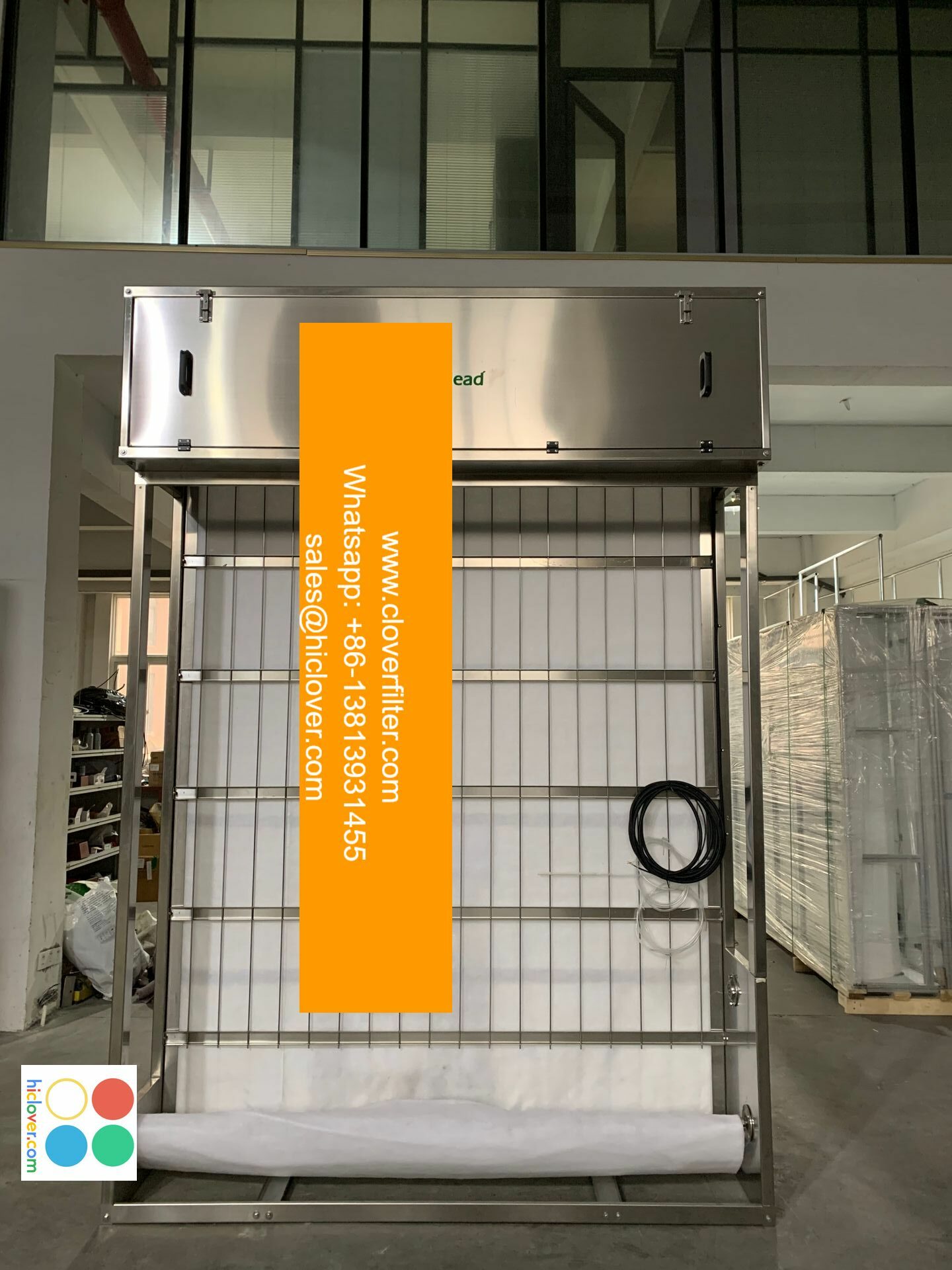
The implementation of air filters has become a crucial aspect of maintaining indoor air quality, particularly in commercial and industrial settings. With the rise of air pollution and its associated health risks, the demand for effective air filtration systems has increased significantly. In this article, we will discuss the key lessons learned from successful air filter implementation projects, highlighting various application areas and technologies used.
Introduction to Air Filter Implementation

Air filter implementation involves the installation and maintenance of air filtration systems to remove pollutants and contaminants from the air. The process requires careful planning, selection of suitable filters, and regular maintenance to ensure optimal performance. Successful air filter implementation projects have demonstrated significant improvements in indoor air quality, leading to enhanced occupant health, productivity, and overall well-being.
Key Application Areas
Air filter implementation has various application areas, including:
- Commercial Buildings: Office buildings, shopping centers, and hotels require effective air filtration systems to maintain a healthy indoor environment.
- Industrial Settings: Manufacturing facilities, warehouses, and industrial processes generate airborne pollutants, making air filtration a critical component of occupational health and safety.
- Healthcare Facilities: Hospitals, clinics, and medical research facilities require high-efficiency air filtration systems to prevent the spread of airborne pathogens and ensure patient safety.
- Residential Buildings: Homeowners are increasingly recognizing the importance of air filtration in maintaining a healthy indoor environment, particularly in areas with poor outdoor air quality.
- HEPA (High-Efficiency Particulate Air) Filters: Designed to capture 99.97% of particles as small as 0.3 microns, HEPA filters are commonly used in commercial and industrial settings.
- Activated Carbon Filters: Effective in removing gases, odors, and volatile organic compounds (VOCs), activated carbon filters are often used in combination with other filter types.
- UV (Ultraviolet) Air Purifiers: Using UV light to kill bacteria, viruses, and other microorganisms, UV air purifiers are commonly used in healthcare facilities and residential buildings.
- Ionization Air Purifiers: Generating negative ions to attract and trap pollutants, ionization air purifiers are often used in commercial and residential settings.
- Proper Filter Selection: Choosing the right filter type and size is critical to ensuring effective air filtration and minimizing maintenance costs.
- Regular Maintenance: Regular filter replacement, cleaning, and inspection are essential to maintaining optimal air filtration performance.
- System Integration: Integrating air filtration systems with existing HVAC systems can enhance overall system performance and energy efficiency.
- Monitoring and Testing: Regular monitoring and testing of indoor air quality can help identify areas for improvement and optimize air filtration system performance.

Technologies and Filter Types
Various air filter technologies and types are available, each with its own strengths and weaknesses. Some of the most common include:
Lessons Learned from Successful Projects
Successful air filter implementation projects have yielded valuable lessons, including:
Conclusion
In conclusion, air filter implementation is a critical aspect of maintaining indoor air quality, and successful projects have demonstrated significant improvements in occupant health, productivity, and overall well-being. By highlighting various application areas, technologies, and filter types, this article aims to provide valuable insights and lessons learned from successful air filter implementation projects. As the demand for effective air filtration systems continues to grow, it is essential to prioritize proper filter selection, regular maintenance, system integration, and monitoring and testing to ensure optimal air filtration performance.
You’ve provided a prompt, but it doesn’t contain any text or questions for me to respond to. Can you please provide more context or ask a specific question so I can assist you further?
