Air Filter Innovation: How it’s Improving Indoor Air Quality in Public Buildings
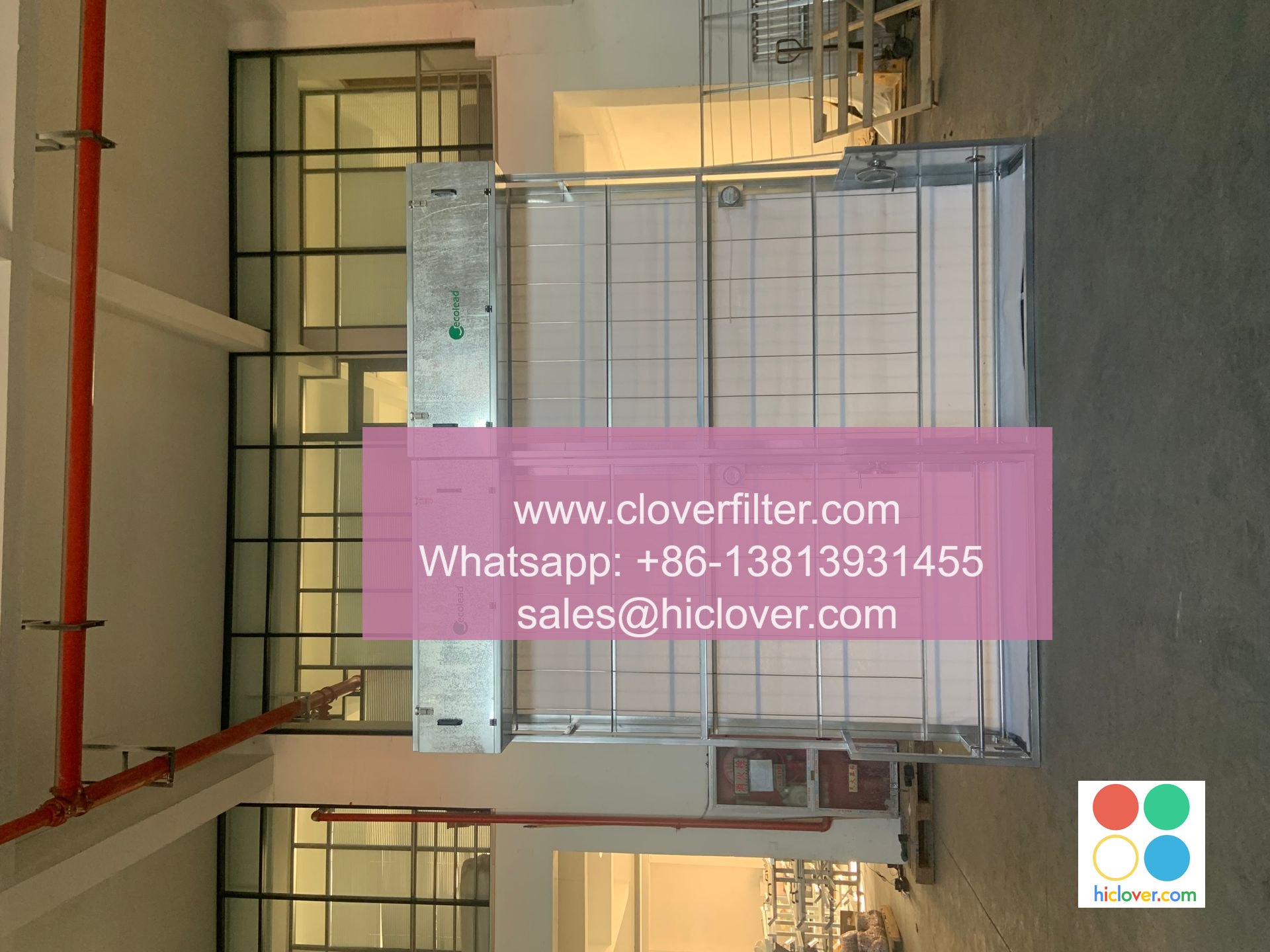
The quality of indoor air in public buildings has become a major concern in recent years. With the rise of air pollution and indoor air quality (IAQ) issues, building managers are looking for innovative solutions to provide a healthy and safe environment for occupants. One of the key technologies that has been gaining traction is air filter innovation. In this article, we will explore the latest advancements in air filter technology and its applications in improving indoor air quality in public buildings.
Introduction to Air Filter Innovation
Traditional air filters have been used for decades to remove particulate matter (PM), volatile organic compounds (VOCs), and other indoor air pollutants from the air. However, they have several limitations, including low filtration efficiency and high pressure drop. The latest air filter innovations have addressed these issues by incorporating nanotechnology, membrane technology, and artificial intelligence (AI) to create more efficient and effective filters.
Applications of Air Filter Innovation
Air filter innovation has a wide range of applications in public buildings, including:
* Hospitals and Healthcare Facilities: Where infection control and patient safety are paramount, air filter innovation can help remove airborne pathogens and bacteria from the air.
* Schools and Universities: Where indoor air quality can impact student health and academic performance, air filter innovation can help remove pollutants and allergens from the air.
* Office Buildings and Commercial Spaces: Where employee productivity and well-being are critical, air filter innovation can help remove indoor air pollutants and improve cognitive function.
* Transportation Hubs and Airports: Where large crowds and high foot traffic can lead to poor indoor air quality, air filter innovation can help remove pollutants and improve passenger health.
Key Features of Air Filter Innovation
Some of the key features of air filter innovation include:
* High-efficiency filtration: Capable of removing 99.97% of particles as small as 0.3 microns from the air.
* Low pressure drop: Reduces energy consumption and operating costs.
* Smart sensors and monitoring: Enable real-time monitoring of indoor air quality and automatic filter replacement.
* Sustainable materials: Made from eco-friendly materials that reduce waste and minimize environmental impact.

Conclusion
Air filter innovation is revolutionizing the way we approach indoor air quality in public buildings. By incorporating cutting-edge technologies and materials, air filter innovation can help remove indoor air pollutants, improve occupant health, and reduce energy consumption. As the demand for healthy buildings and sustainable infrastructure continues to grow, air filter innovation is poised to play a critical role in shaping the future of indoor air quality. Whether you’re a building manager, facilities director, or simply a concerned citizen, understanding the benefits and applications of air filter innovation can help you make informed decisions about the air we breathe. It looks like you forgot to include the prompt!
Please go ahead and provide the prompt, and I’ll do my best to help. What’s on your mind?
