Air Filter Innovations for Indoor Air Quality: What’s New and What’s Next
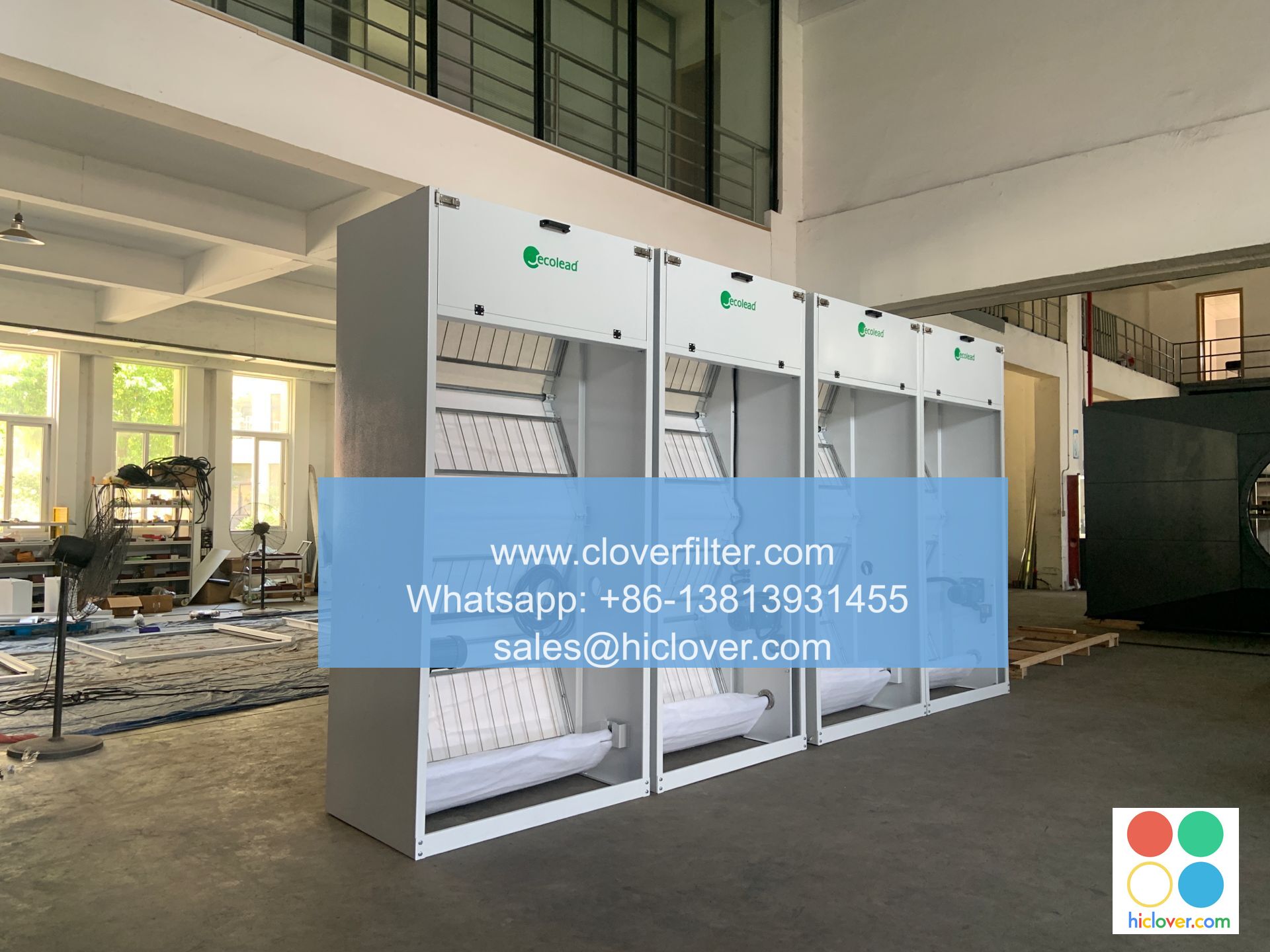
Indoor air quality (IAQ) is a critical factor in maintaining health and well-being, particularly as we spend up to 90% of our time indoors. With the increasing concerns over air pollution, allergens, and viruses, innovations in air filtration technology have accelerated rapidly. In this article, we’ll explore the latest advancements in air filters and what the future may hold for enhancing IAQ in various applications.
Recent Innovations in Air Filter Technology

1. HEPA Filters Redesigned for Efficiency
High-Efficiency Particulate Air (HEPA) filters have been a cornerstone of indoor air quality management. Recent innovations have enhanced their efficiency, including:
- Electrostatic Filters: By incorporating electrostatic charge, HEPA filters can capture even smaller particles while maintaining airflow.
- Washable HEPA Filters: These eco-friendly options are sustainable and reduce waste while providing the same filtration quality.
2. Activated Carbon & Photocatalytic Filters
Activated carbon filters are traditionally used for odor removal, but new advancements include:

- Photocatalytic Oxidation (PCO): This technology uses ultraviolet light to activate photocatalytic materials, breaking down volatile organic compounds (VOCs) and other harmful substances into harmless byproducts.
3. Smart Air Filters
With the rise of smart home technology, smart air filters have emerged, featuring:
- Real-Time Monitoring: These filters come equipped with sensors that monitor air quality in real-time, providing users with data via smartphone apps.
- Automatic Adjustments: Some systems can modify filtration based on air quality readings, ensuring optimal performance and energy savings.
Current Applications of Air Filters
1. Residential Settings
Residential air filters are essential for eliminating dust, pollen, and pet dander. Innovations like air purifiers with UV-C technology are gaining traction, enhancing home safety and comfort.
2. Healthcare Facilities
In hospitals and clinics, air quality is paramount. Innovations in filtration systems, particularly ones using HEPA and UVC technologies, are critical in preventing the spread of airborne infections.
3. Commercial Spaces
Businesses are investing in advanced air filtration solutions to protect employees and customers. HVAC systems with integrated air purifiers are becoming increasingly standard in office buildings and retail environments.
4. Industrial Applications
Factories and manufacturing plants are adopting air filters that can handle specific byproducts of industrial activity. Tailored solutions help in managing particulate emissions and maintaining a safe work environment.
What’s Next in Air Filter Innovations?
1. Biodegradable Filter Materials
As environmental awareness grows, researchers are exploring biodegradable filter mediums that can effectively remove pollutants while reducing plastic waste in landfills.
2. Enhanced Filtration for Emerging Contaminants
With the increasing emergence of pathogens, air filters are being designed to address these threats. Innovations focusing on virus capture efficiency are in development, aiming to protect against respiratory illnesses.
3. Integration with Building Management Systems
Future air filtration systems will likely be integrated with smart building technologies, optimizing HVAC operations for enhanced energy efficiency and improved air quality. AI-driven analytics may become commonplace, allowing for predictive maintenance and real-time adjustments based on occupancy and pollution levels.
Conclusion
The landscape of air filtration technology is evolving rapidly, driven by the need for better indoor air quality and a healthier environment. As we continue to innovate, the future holds exciting possibilities for air filters that effectively address both health concerns and environmental sustainability. Keeping an eye on these advancements will be crucial for consumers and businesses alike in order to make informed decisions for their indoor air quality needs.
It seems like your message might have been cut off. Could you please provide more details or clarify what you would like to discuss or request? Thank you!
