Air Filter Installation and Commissioning Procedures for Industrial Processes: A Documentation Guide
Introduction

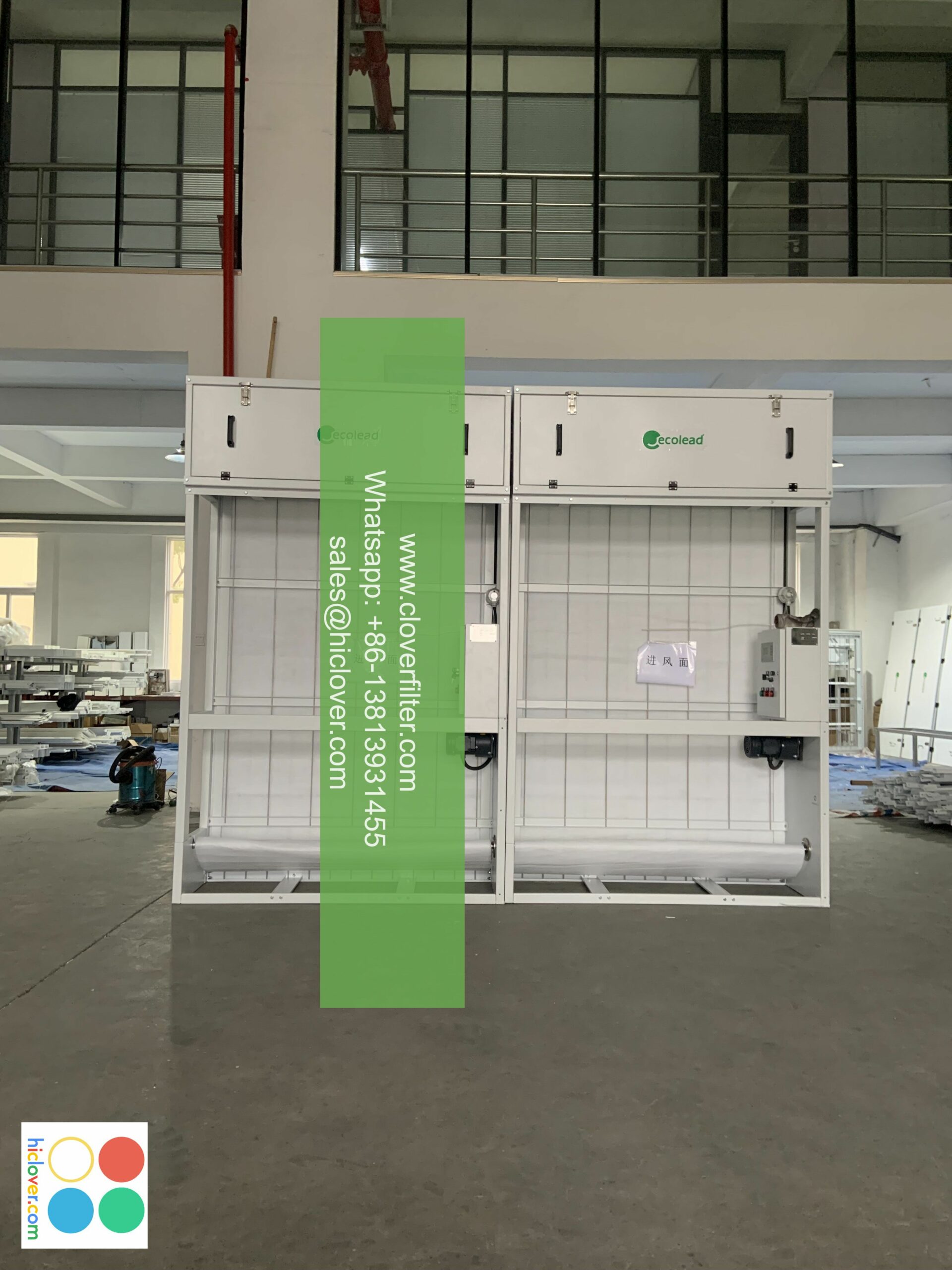
In industrial applications, efficient air filtration is essential for maintaining air quality, protecting equipment, and ensuring compliance with environmental regulations. Proper installation and commissioning of air filters are critical steps that influence their performance and longevity. This guide outlines the necessary procedures, key considerations, and documentation practices to ensure effective air filter integration into industrial processes.
Importance of Air Filters in Industrial Processes
Air filters serve multiple functions across various sectors, including:
- Manufacturing: Protecting machinery from dust and particulate matter.
- Pharmaceuticals: Ensuring sterile environments through HEPA filters.
- Food Processing: Maintaining hygiene and preventing contamination.
- HVAC Systems: Improving indoor air quality in commercial buildings.
- Site Assessment: Conduct a site evaluation to identify the optimal location for the air filter system.
- Selection of Air Filters: Choose the appropriate air filter type based on the specific industrial requirements and air quality standards.
- Gather Necessary Tools: Ensure all tools and equipment are ready before installation, including wrenches, screwdrivers, and safety gear.
- Documentation Review: Review the manufacturer’s installation manual and guidelines.
- Preparation of the Mounting Area: Clean the area and make necessary structural modifications to receive the air filter system.
- Assemble the Filter Unit: Follow the manufacturer’s instructions to assemble the air filter unit.
- Secure the Filter: Mount the air filter securely to prevent vibration or displacement during operation.
- Connect Ductwork: Ensure airtight connections between the filter and the ductwork to prevent leaks.
- Electrical Connections: Safely connect any electrical components as specified in the manufacturer’s guide.
- Initial System Checks: Review all mechanical and electrical connections.
- Functional Testing: Power up the system and verify the airflow and pressure drop across the air filter.
- Leak Testing: Conduct leak tests to ensure airtight seals in duct connections.
- Performance Analysis: Compare operational parameters with manufacturer specifications to guarantee compliance.
- Documentation: Record all readings and observations for future reference and compliance reporting.
- Installation Records: Keep detailed records of the installation, including dates, personnel involved, and unique system configurations.
- Maintenance Logs: Document all routine maintenance and unexpected repairs to track system performance over time.
- Readings and Measurements: Store performance data, including pressure drops and efficiency levels, to assess filter condition and efficacy.

Preparation for Installation
The installation process begins with thorough preparation. Follow these steps:
Installation Steps
Carefully follow these installation steps to ensure a successful setup:
Commissioning Procedures
Once installed, comprehensive commissioning is critical to validate proper operation:
Documentation and Monitoring
Thorough documentation is essential in maintaining compliance and ensuring air filter efficiency over time:
Conclusion
Successful air filter installation and commissioning are vital for ensuring optimal performance and compliance in industrial processes. By following structured procedures and maintaining rigorous documentation practices, facilities can enhance indoor air quality, protect equipment, and adhere to regulations. This guide serves as a foundation for implementing effective air filtration systems across various industrial applications.
It looks like your message might be incomplete. Could you please provide more details or specify what kind of prompt you would like? Whether it’s a writing prompt, a question, or something else, I’m here to help!
