Air Filter Installation for Beginners: A Step-by-Step Guide

Introduction to Air Filters
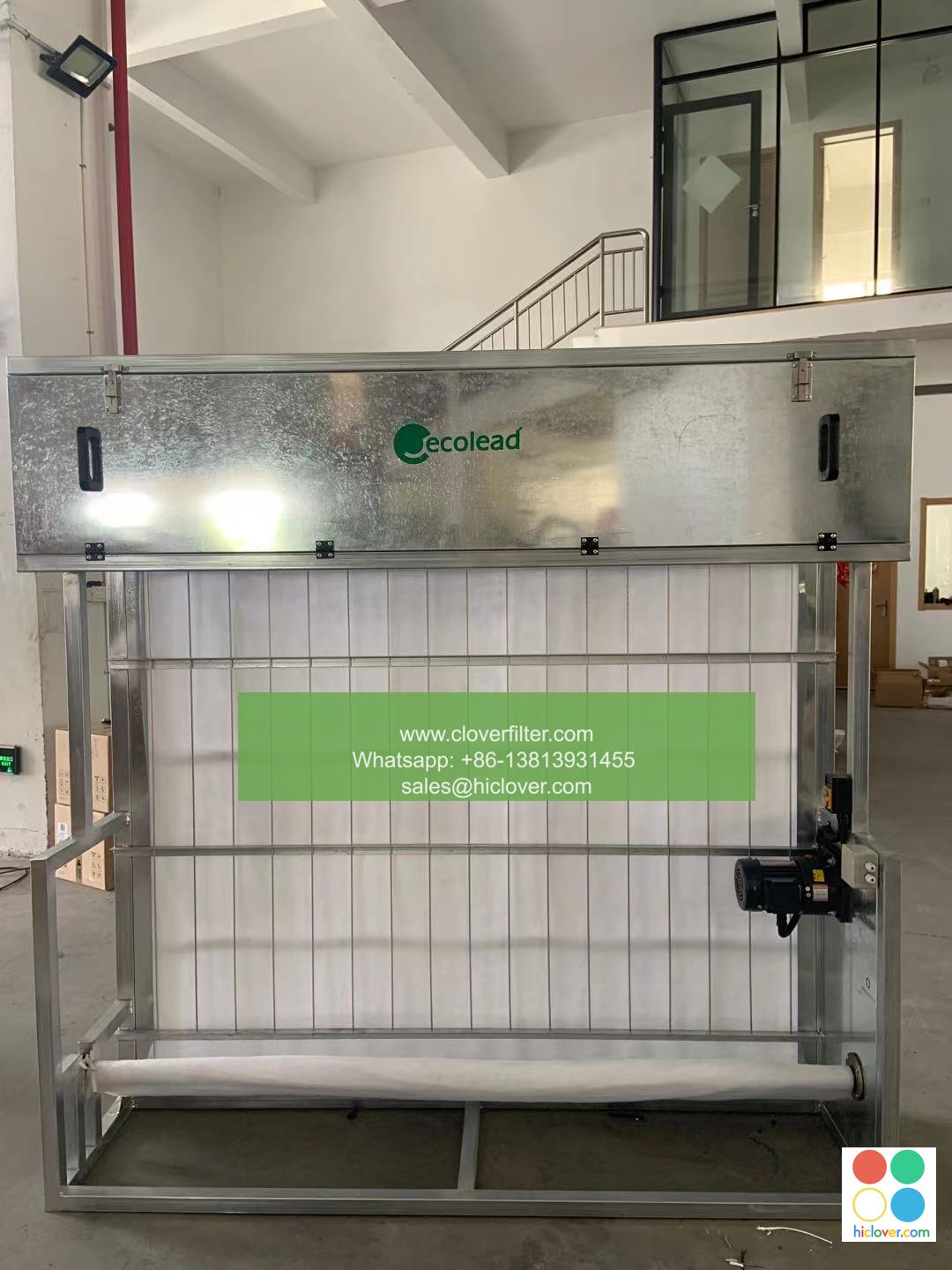
Air filters are essential for maintaining clean air in various environments, including homes, offices, and vehicles. They help reduce allergens, dust, and pollutants, leading to healthier living conditions. This guide will walk you through the installation process of air filters in HVAC systems, air purifiers, and vehicle air systems.
Benefits of Regular Air Filter Installation
Regular air filter replacement and installation can significantly enhance the performance of air systems. Some benefits include:
- Improved indoor air quality
- Enhanced energy efficiency
- Longer lifespan of HVAC systems
- Reduction of respiratory issues
- HEPA Filters: Great for capturing small particles and allergens.
- Activated Carbon Filters: Effective for eliminating odors.
- Electrostatic Filters: Capture charges particles by attracting them.
- Fiberglass Filters: Basic filters allowing for adequate airflow.
- Correct replacement air filter
- Phillips screwdriver (if applicable)
- Vacuum cleaner or cloth for dust
- HVAC Systems: Usually found in the return air duct or inside the unit itself.
- Air Purifiers: Typically located near the intake fan of the system.
- Vehicles: Often in the engine compartment or behind the glove box.
- Residential HVAC Systems: To ensure clean air circulation.
- Commercial Buildings: Maintaining air quality in offices and public spaces.
- Automobiles: For improved engine performance and indoor air quality.
- Industrial Processes: To filter pollutants and maintain air standards.
Types of Air Filters
Before starting the installation, familiarize yourself with the types of air filters available:
Step-by-Step Air Filter Installation
Step 1: Gather Your Tools and Materials
Before you begin, ensure you have the following tools:
Step 2: Turn Off Your System
For safety reasons, turn off your HVAC system, air purifier, or vehicle’s power before starting the installation.
Step 3: Locate the Air Filter
The air filter can be located in different areas depending on the system:
Step 4: Remove the Old Filter
Carefully remove the old air filter. If it is dirty or clogged, it’s advisable to wear a mask to avoid inhaling dust particles.
Step 5: Clean the Area
Use a vacuum cleaner or a damp cloth to clean the filter compartment. This step removes any lingering debris that could affect the performance of the new filter.
Step 6: Install the New Filter
Refer to the airflow direction indicated on the new filter. Proper alignment is crucial for effective air filtration. Insert it into the compartment, ensuring it fits snugly.
Step 7: Power Up the System
Once the new filter is installed, turn your HVAC system, air purifier, or vehicle back on and check for any unusual noises or airflow issues.
Application Areas of Air Filters
Air filters are used in various applications, including:
Conclusion
Installing an air filter is a straightforward process that beginners can manage. Regular maintenance ensures that your air systems function efficiently and help maintain a healthy environment. Whether you are changing an HVAC filter, an air purifier, or a vehicle filter, following these steps will empower you to take control of your indoor air quality.
It looks like you entered “Prompt” but didn’t include any specific details. How can I assist you today? If you have a topic in mind or need help with something specific, feel free to let me know!
