Air Filter Integrations for Chemical and Petrochemical Applications
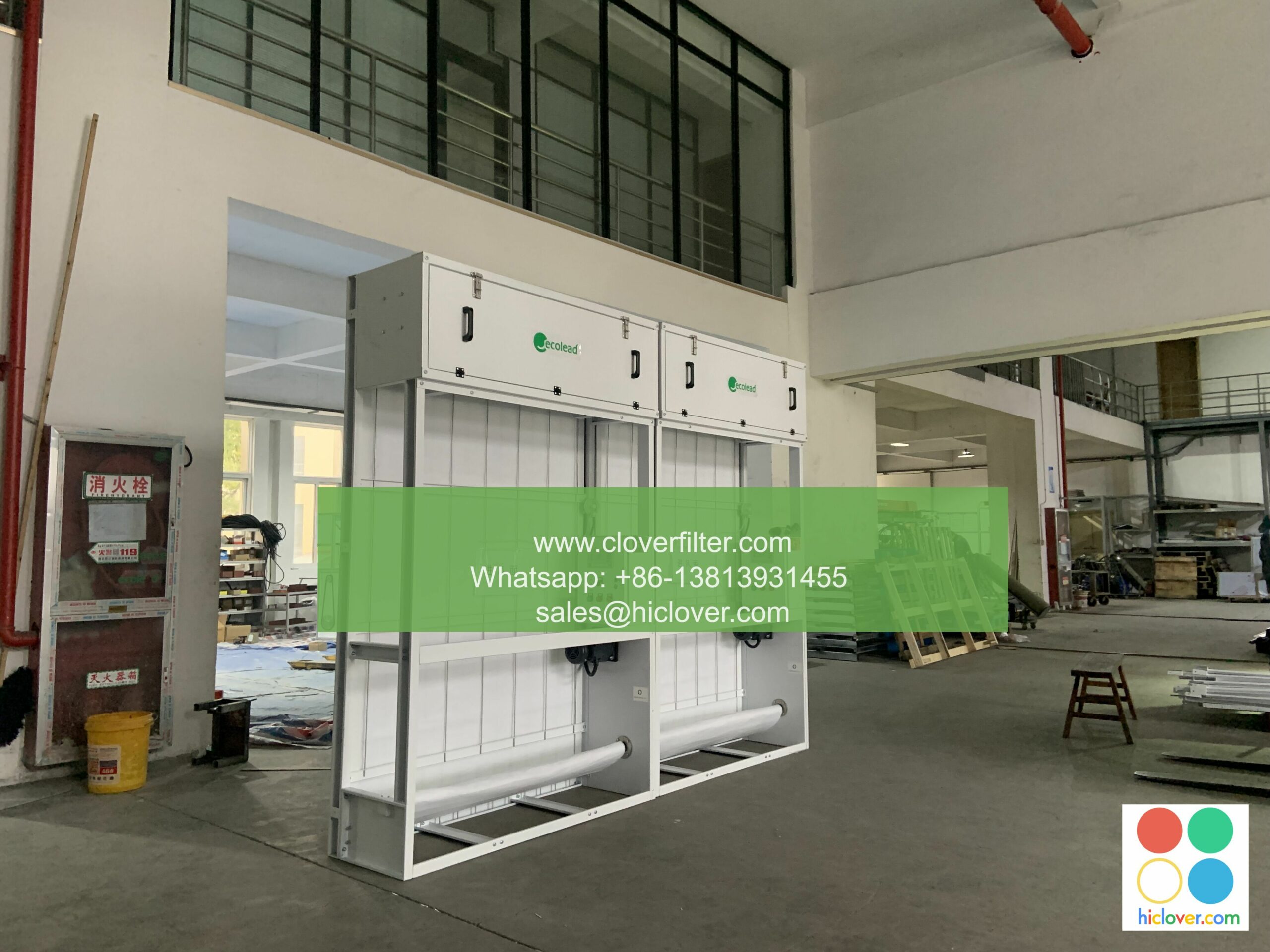
In the ever-evolving landscape of the chemical and petrochemical industries, maintaining air quality and controlling emissions are paramount. Air filter integrations play a crucial role in ensuring regulatory compliance and enhancing operational efficiency. This article delves into the significance of air filters in various application areas within these sectors.
Understanding Air Filtration in Chemical Processing

Chemical processing plants are exposed to a myriad of airborne contaminants, including volatile organic compounds (VOCs), particulate matter, and hazardous gases. Air filter integrations are vital in protecting both equipment and personnel. Implementing high-efficiency particulate air (HEPA) filters or activated carbon filters can significantly reduce the concentration of harmful substances in the air.
Key Benefits of Air Filter Integrations
- Enhanced Air Quality: Utilize advanced filtration systems to improve indoor air quality, ensuring a safer environment for workers and reducing the risk of respiratory illnesses.
- Compliance with Regulations: Meet stringent environmental regulations by using air filters that capture and neutralize harmful emissions.
- Operational Efficiency: Maintain the efficiency of machinery by preventing dust and particle accumulation, which can lead to costly downtime.
Applications in the Petrochemical Sector
The petrochemical sector faces unique challenges when it comes to air filtration. With processes involving raw material extraction, refining, and distribution, effective air management is crucial. Here are some specific applications of air filter integrations in this area:
1. Refinery Operations
In refineries, air filtration systems are employed to manage emissions from distillation towers and other processing units. Utilizing baghouse filters can capture particulate emissions, ensuring that the air released meets environmental standards.
2. Chemical Storage Facilities
In chemical storage, air filters help to manage fugitive emissions. Properly integrated air filtration systems can help in managing leaks and spills, thus mitigating potential hazards while preserving air quality.
3. Transportation and Distribution
Air filters integrated into transportation systems, such as pipelines and tankers, play a critical role in controlling emissions during product transfer. These filters help to trap volatile compounds, reducing the impact on the surrounding environment.
Advanced Technologies in Air Filtration
With advancements in technology, the efficacy of air filter integrations has improved significantly. Innovations such as smart filter monitoring systems allow for real-time tracking of filter performance, enabling predictive maintenance and timely replacements. Additionally, high-performance materials like nanofibers are being used to enhance filtration efficiency while reducing energy consumption.
Conclusion
The integration of air filters in chemical and petrochemical applications is not just an operational necessity, but a commitment to environmental stewardship and safety. As industries continue to innovate and strive for greater efficiency, the role of advanced air filtration systems will be pivotal in ensuring compliance, enhancing productivity, and protecting human health and the environment.
It seems like you might want to provide a specific prompt or idea for me to work with. Could you please clarify what you’re looking for? Whether it’s a writing prompt, a question, or something else, I’m here to help!
