Air Filter Integrations for Industrial Applications: A Comprehensive Guide
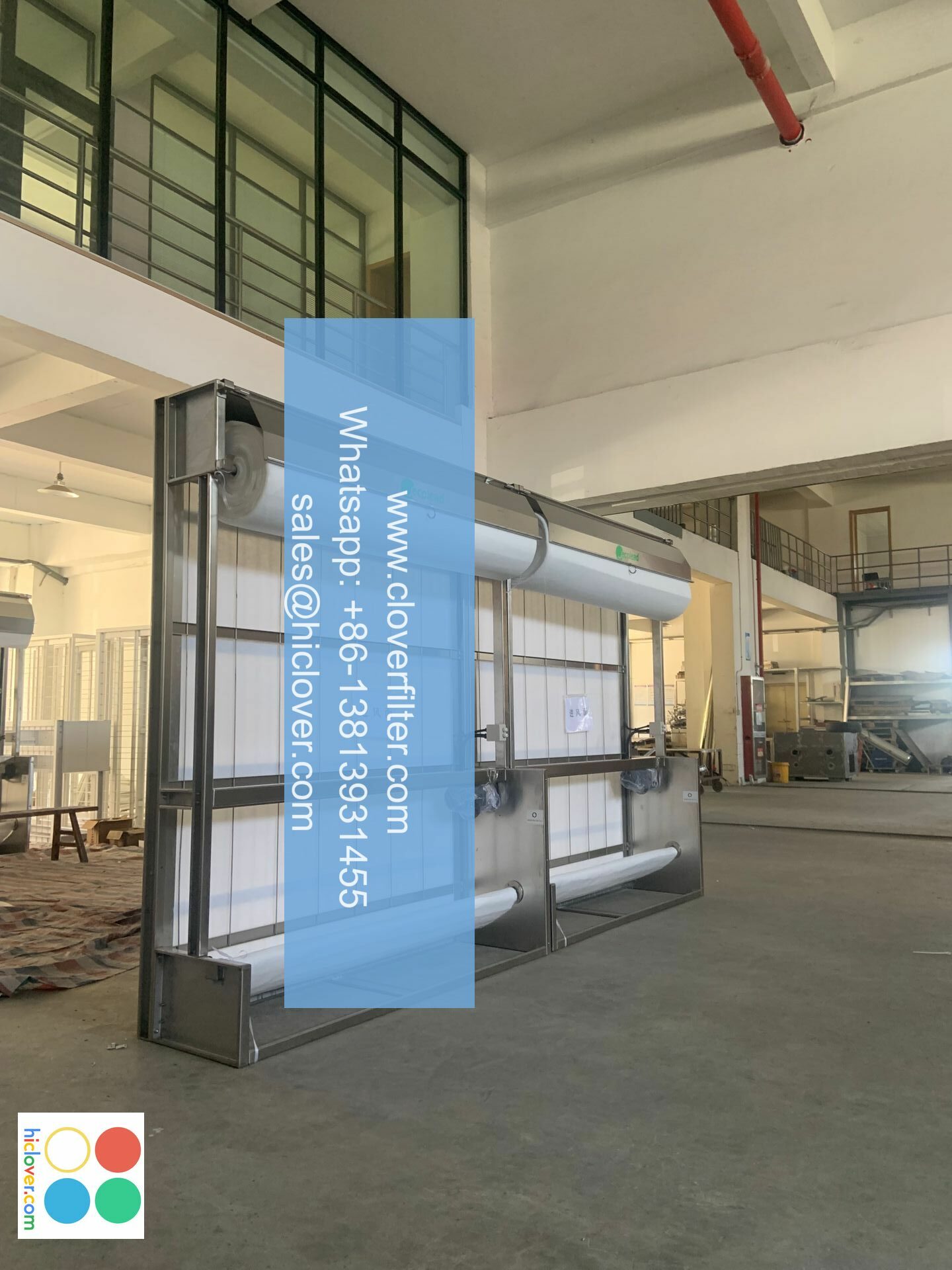
Industrial air filtration systems play a critical role in maintaining a safe and healthy work environment, improving product quality, and reducing equipment damage. Effective air filter integrations are essential for various industrial applications, including dust collection systems, gas turbine filtration, and industrial vacuum cleaners. In this article, we will delve into the world of air filter integrations, exploring its significance, types, and applications in industrial settings.
Importance of Air Filter Integrations
Air filter integrations are vital in industrial applications, as they help remove particulate matter, gases, and vapors from the air, ensuring a clean and safe environment for workers, equipment, and products. Proper air filtration can prevent equipment damage, product contamination, and worker health issues, ultimately leading to increased productivity, reduced maintenance costs, and improved overall efficiency.
Types of Air Filters
There are several types of air filters used in industrial applications, including:
- HEPA (High Efficiency Particulate Air) filters: Capture 99.97% of particles as small as 0.3 microns, making them ideal for pharmaceutical, food processing, and electronics applications.
- Activated carbon filters: Effective in removing gases, odors, and vapors, commonly used in chemical processing, oil and gas, and wastewater treatment applications.
- Bag filters: Used in dust collection systems and industrial vacuum cleaners, these filters capture large particles and dust, protecting equipment and improving air quality.
- Cartridge filters: Designed for gas turbine filtration and industrial air compressors, these filters provide high-efficiency filtration and are easy to maintain.
- Food and beverage processing: Air filters are used to prevent contamination and ensure product quality in applications such as baking, brewing, and dairy processing.
- Pharmaceutical and healthcare: HEPA filters and other high-efficiency filters are used to maintain sterile environments and prevent contamination in medical facilities, pharmaceutical manufacturing, and laboratories.
- Chemical and petrochemical processing: Air filters are used to remove harmful gases and vapors in applications such as chemical processing, oil and gas, and wastewater treatment.
- Industrial manufacturing: Air filters are used to improve equipment efficiency and product quality in applications such as metalworking, woodworking, and plastics manufacturing.
- Improved worker health and safety
- Increased equipment efficiency and productivity
- Reduced maintenance costs and equipment damage
- Enhanced product quality and reliability
- Compliance with regulatory requirements and industry standards

Application Areas
Air filter integrations are used in a wide range of industrial applications, including:

Benefits of Effective Air Filter Integrations
Proper air filter integrations can bring numerous benefits to industrial applications, including:
Conclusion
In conclusion, air filter integrations play a vital role in industrial applications, ensuring a safe, healthy, and efficient work environment. By understanding the importance, types, and applications of air filters, industries can select the most suitable filters for their specific needs, improving overall productivity, product quality, and worker health and safety. As industries continue to evolve, the demand for effective air filter integrations will only increase, highlighting the need for comprehensive guide and resources to support the selection, installation, and maintenance of air filters in industrial settings. You haven’t asked a question or provided any context for me to respond to. Please go ahead and ask your question, and I’ll do my best to provide a helpful and direct answer.
