Air Filter Lingo Uncovered: A Beginner’s Guide
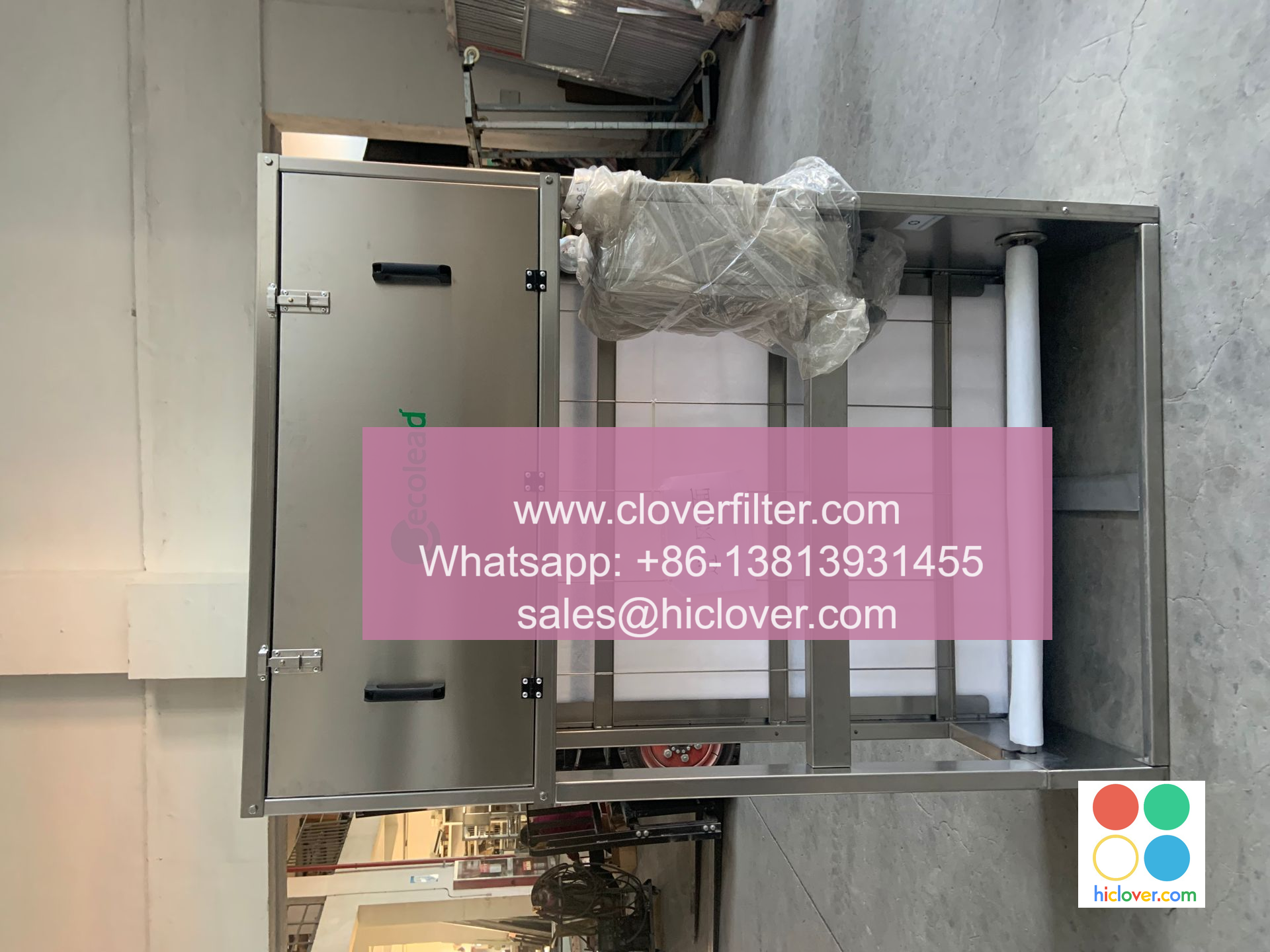
Understanding air filter terminology can seem overwhelming for beginners. This guide will help you navigate the essential terms and concepts related to air filters, enabling you to make informed decisions about your heating, ventilation, and air conditioning (HVAC) systems.
What are Air Filters?

Air filters are components used in various systems to remove particulates, allergens, and contaminants from the air. They are essential in home HVAC systems, industrial applications, and even vehicles. An effective air filter can improve indoor air quality, prolong the life of equipment, and enhance energy efficiency.
Key Terms in Air Filter Technology
MERV Ratings
MERV stands for Minimum Efficiency Reporting Value. It is a scale from 1 to 16 that measures a filter’s ability to capture particles of different sizes. Higher MERV ratings indicate finer filtration but may restrict airflow if not matched with your HVAC system’s capacity.
HEPA Filters
HEPA (High-Efficiency Particulate Air) filters must comply with strict standards to capture at least 99.97% of particles measuring 0.3 microns. They are commonly used in applications requiring high levels of cleanliness, such as hospitals, cleanrooms, and even homes with allergy sufferers.

Activated Carbon Filters
Activated carbon filters use porous carbon to adsorb odors, gases, and volatile organic compounds (VOCs) from the air. These filters are often used in conjunction with HEPA filters to enhance air quality in residential and commercial settings, particularly in kitchens and areas with chemical usage.
FPR Ratings
FPR (Filter Performance Rating) ranges from 4 to 10, categorizing filters based on their overall effectiveness. While MERV ratings are more comprehensive, FPR ratings are simpler and commonly found on consumer products.
Air Changes per Hour (ACH)
ACH refers to the number of times the air in a room is replaced within an hour. It’s a key factor in determining how often you should change your air filters. High traffic areas or homes with pets usually require higher ACH rates.
Applications of Air Filters
Residential Use
Most homeowners rely on HVAC systems equipped with air filters. Regularly replacing filters, particularly HEPA or MERV-rated products, helps maintain indoor air quality and can significantly impact allergies and respiratory health.
Commercial Use
Businesses, especially in the food service and healthcare industries, require specialized filters to ensure cleanliness and safety. The use of activated carbon or HEPA filters is common in restaurants and hospitals to mitigate airborne contaminants.
Automotive Applications
Vehicles also utilize air filters to ensure clean air enters the cabin. Cabin air filters, similar to those in HVAC systems, help eliminate allergens and pollutants from outside. Regular maintenance of these filters is crucial for both hygiene and system efficiency.
Conclusion
Understanding air filter lingo empowers consumers to make informed decisions about the air they breathe. From MERV ratings to the importance of HEPA filters, differences in terminology highlight the various application areas of air filters. Proper selection and maintenance can lead to healthier environments in both residential and commercial settings.
Sure! What kind of prompt are you looking for? It could be a writing prompt, discussion topic, creative challenge, or something else entirely. Let me know your preference!
