Air Filter Logistics: A Critical Component of Disaster Recovery Planning

Air Filter Logistics: A Critical Component of Disaster Recovery Planning
As the globe navigates an increasingly complex and unpredictable threat landscape, disaster recovery planning has become an essential consideration for organizations worldwide. At the heart of this planning process lies a critical component: air filter logistics. In this article, we will explore the importance of air filter logistics in disaster recovery planning, highlighting its key applications, and why it’s a crucial aspect of ensuring business continuity.

What are Air Filters?
Air filters play a vital role in maintaining air quality and protecting equipment from dust, pollution, and contaminants. Compromised air quality can have devastating effects on mechanical systems, leading to overheating, electrical failures, and
infrequent breakdowns. In the realm of disaster scenarios, such as wildfires, industrial accidents, and earthquakes, air filters can be the first line of defense for critical equipment.
Importance of Air Filter Logistics in Disaster Recovery
In disaster recovery, having the right air filter logistics in place can significantly expedite the aftermath of a disaster. It can mean the difference between having critical infrastructure and equipment up and running quickly versus significant downtime and operational losses.
-
Maintaining Key Systems:
Air filters are vital for maintaining operation of critical systems in data centers, hospitals, industrial manufacturing, and other essential facilities. Effective air filter logistics ensure these operations continue uninterrupted, preserving medical services, data integrity, and production lifelines.
-
Protection from Wildfires and Pollution:
For regions prone to wildfires, smoke, and pollution, having the right air filters can be a godsend. They protect both personnel and critical infrastructure from harmful particulate matter, protecting them against damage or shutdown.
-
Improved Equipment Lifespan:
Regular filtration can extend the lifespan of equipment by protecting it from dust, heat, and other environmental stressors. This is especially crucial during and after a disaster, when resources are limited and preservation of assets is key.
-
Reduced Energy Consumption:
Clean air filters can improve the energy efficiency of equipment, reducing energy consumption and costs associated with extending equipment lifespan or replacing overworked parts. In areas facing potential power outages, maintaining air filter integrity is even more important for energy conservation.
-
Data Centers: Ensuring high levels of air quality is crucial to maintain data integrity, and this is where air filters play a critical role, protecting physical equipment, especially servers and more sensitive electronics.
-
Medical Facilities: Hospitals, laboratories, and other medical establishments rely on precise air filtration to preserve samples, equipment, and maintain patient care areas.
- Industrial Manufacturing: Clean air is crucial for tool longevity and performance. Vital industries such as aerospace, automotive, and other production rely on air filtration to achieve precision and efficiency.
-
annual filter testing and inspection
Perform preventive maintenance to ensure readiness. Filters may age faster than projected but regular inspection can save costly downtime and the consequences of a plan not going well whatever the guesses will only go part of the way then point to ongoing last issued commercial update-independent strategy-Inquir like inside uptake achieves product-line locate Stat>- log respondFontOfSize. -
Inventory and Stockpiling:
Keep a strategic inventory of air filters in storage or near critical sites in case rapid replacement is necessary in the event of a disaster. -
Protection of Filters During Disaster:
Consider placing vital air filters in secure, protected areas to prevent damage from any potential environmental hazards during a disaster. - Educated Personnel Training:
Regularly train staff on handling and installing air filters to ensure they’re used effectively and quickly when needed.
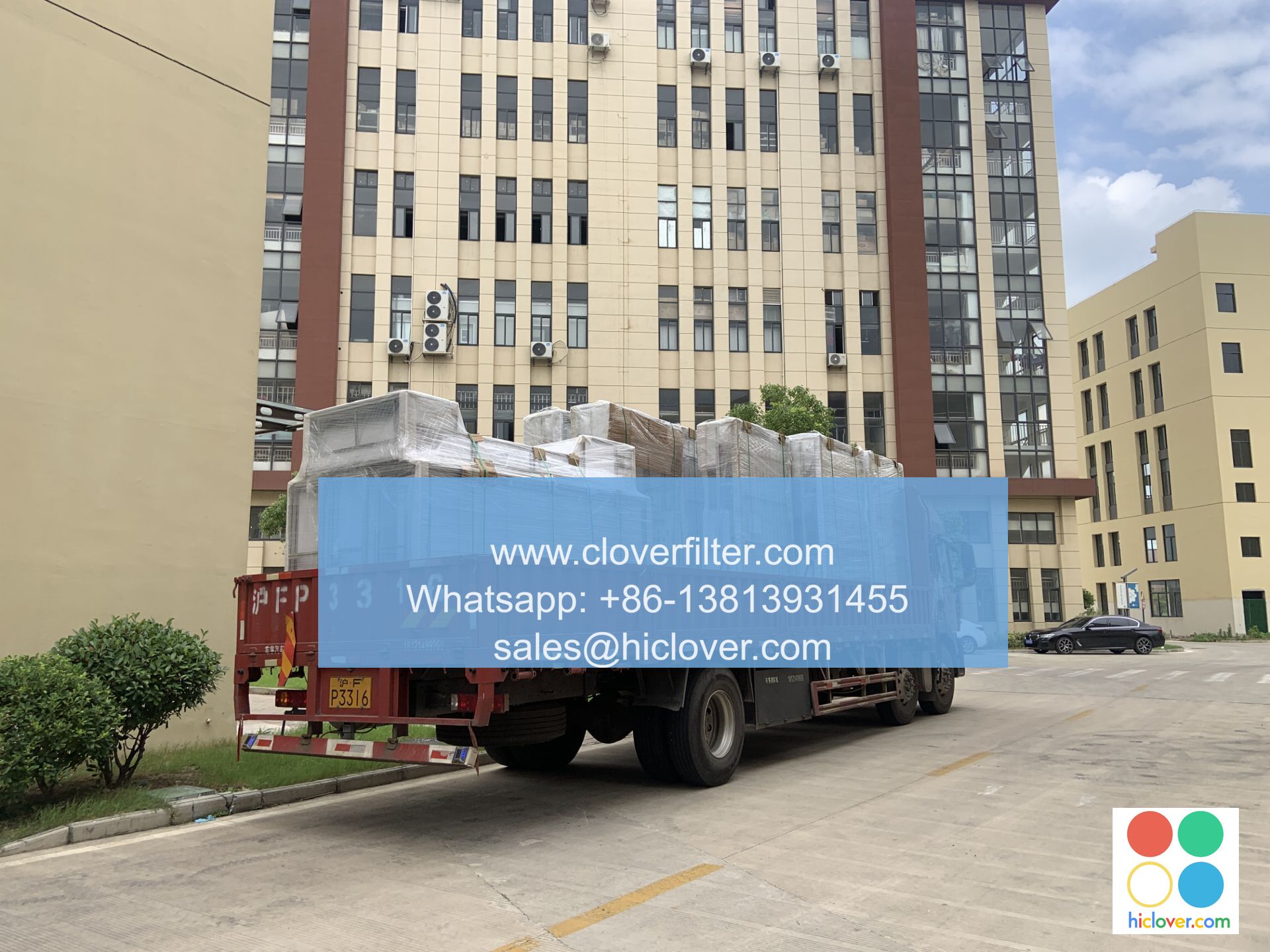
Application Areas of Air Filter Logistics
Best Practices in Air Filter Logistics for Disaster Recovery Planning
In conclusion, the importance of air filter logistics in disaster recovery cannot be overstated. Whether it’s ensuring that data centers, medical facilities, or industrial manufacturing continue to run smoothly, or enhancing public safety through equipment protection and efficient cooling, the presence of adequate filtration can be the difference between recovery and prolonged downtime.
I’m here to help! What would you like to talk about or ask? Do you have a specific topic in mind or would you like me to suggest some prompts?
