Air Filter Logistics: A Critical Component of Supply Chain Management
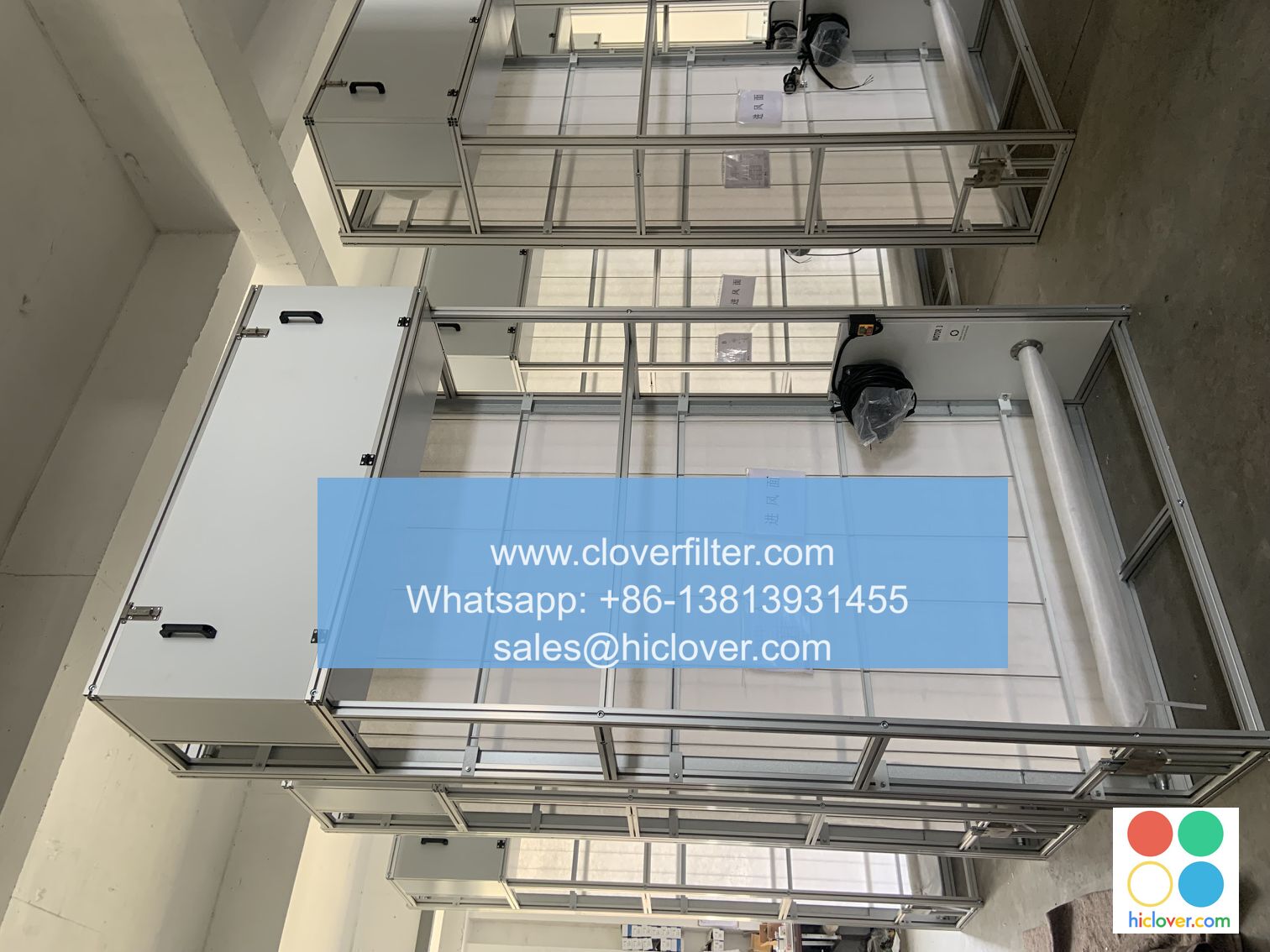
Air Filter Logistics: A Critical Component of Supply Chain Management
Introduction

Effective supply chain management is crucial for any organization to maintain a competitive edge in today’s fast-paced business world. One often-overlooked but critical component of supply chain management is air filter logistics. In this article, we’ll explore the importance of air filter logistics, its applications, and the benefits it brings to organizations.
What is Air Filter Logistics?
Air filter logistics refers to the process of managing the transportation, storage, and distribution of air filters, which are an essential component of various industrial processes. Air filters are used to remove impurities and contaminants from air, gas, and liquid streams, making them a critical component in industries such as aerospace, automotive, healthcare, and manufacturing.
Benefits of Air Filter Logistics
The efficient management of air filter logistics can bring numerous benefits to organizations, including:
- Reduced Lead Times: Timely delivery of air filters can help reduce lead times, enabling organizations to maintain production schedules and meet customer demands.
- Improved Product Quality: Proper storage and handling of air filters can prevent damage, contamination, and degradation, ensuring the quality of the filters and the products they produce.
- Cost Savings: Reducing lead times and maintaining product quality can lead to cost savings, as organizations can avoid costly rework, scrap, and express shipping.
- Increased Efficiency: Effective air filter logistics can streamline operations, reducing the need for manual intervention and increasing productivity.
Application Areas
Air filter logistics plays a critical role in various industries, including:
- Aerospace: Air filters are used in aircraft engines, air compressors, and other systems to ensure smooth operation and maintenance. Efficient air filter logistics are essential to prevent downtime and ensure safe flight operations.
- Automotive: Automotive filters are used to remove impurities from air, oil, and coolant, ensuring optimal engine performance. Efficient air filter logistics are critical to meet production demands and maintain customer satisfaction.
- Healthcare: Air filters are used in hospitals, clinics, and laboratories to remove contaminants and pollutants, ensuring a clean and healthy environment. Proper air filter logistics ensure that these filters are delivered on time and in good condition.
- Manufacturing: Air filters are used in various manufacturing processes, such as laser cutting, welding, and grinding, to maintain air quality and prevent contamination. Efficient air filter logistics can reduce downtime and increase productivity.
Challenges in Air Filter Logistics
Despite the benefits, air filter logistics can be challenging to manage due to:
- Complexities of Distribution: Air filters come in various sizes, shapes, and materials, making it difficult to standardize logistics and storage.
- Time-Sensitive Deliveries: Air filters are often critical components, requiring timely delivery to prevent production downtime and delays.
- OSD (Owner-Operator Driver) Requirements: The need to ensure the proper training and certification of owner-operator drivers can add to the complexity of air filter logistics.
Conclusion
Air filter logistics is a critical component of supply chain management, and its efficient management can bring numerous benefits to organizations. By understanding the challenges and opportunities in air filter logistics, organizations can optimize their logistics operations, reduce costs, and improve product quality. Whether in the aerospace, automotive, healthcare, or manufacturing industries, effective air filter logistics can make all the difference in achieving operational excellence.
It looks like you meant to type something, but it looks like you didn’t quite get it out!
