Air Filter Logistics: A Guide to Installing Air Filters in Commercial Buildings
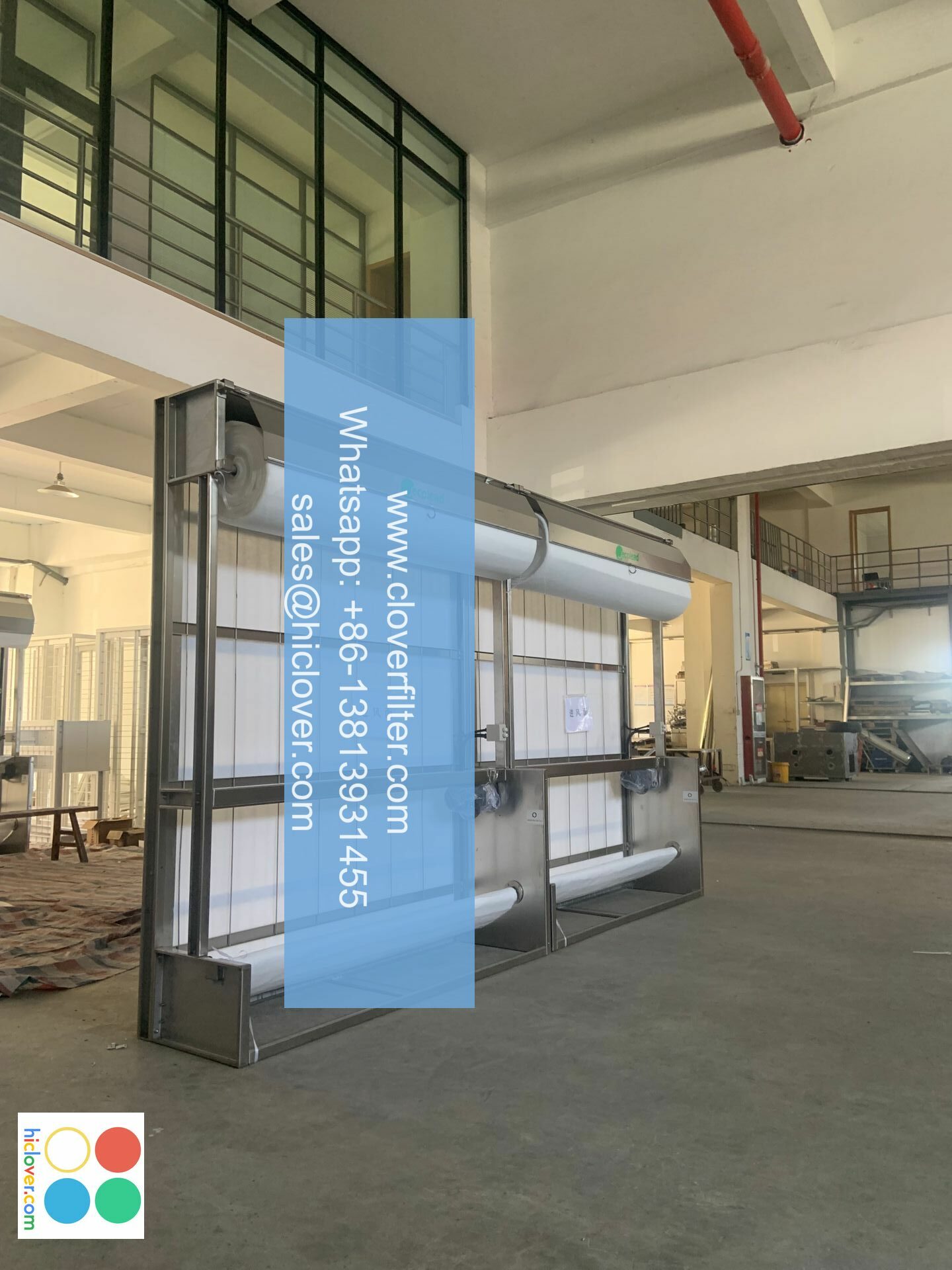
Installing air filters in commercial buildings is a crucial aspect of maintaining good indoor air quality (IAQ) and ensuring a healthy and comfortable working environment for occupants. In this article, we will provide a comprehensive guide to air filter logistics, highlighting various application areas, and key considerations for selecting and installing the right air filters for your commercial building.
Why Air Filters are Essential in Commercial Buildings
Air filters play a vital role in removing airborne pollutants, such as dust, pollen, and other particulate matter, from the air in commercial buildings. This is especially important in areas with high levels of foot traffic, such as office buildings, shopping centers, and hospitals, where indoor air quality monitoring and air purification systems are essential. By installing the right air filters, building owners and facility managers can help prevent the spread of airborne diseases, reduce allergy and asthma symptoms, and create a healthier and more productive work environment.
Types of Air Filters and Their Applications
There are several types of air filters available for commercial buildings, each with its own unique characteristics and applications. Some of the most common types of air filters include:
* HEPA filters (High Efficiency Particulate Air filters): These filters are designed to capture 99.97% of particles as small as 0.3 microns and are commonly used in hospitals, laboratories, and other areas where high-level air filtration is required.
* Activated carbon filters: These filters are designed to capture gases and odors and are commonly used in areas with high levels of indoor air pollution, such as near kitchens or smoking areas.
* Pleated filters: These filters are designed to capture larger particles, such as dust and pollen, and are commonly used in areas with high levels of airborne particulate matter.
Key Considerations for Installing Air Filters
When installing air filters in commercial buildings, there are several key considerations to keep in mind. These include:
* Air filter size and type: Choosing the right size and type of air filter for your commercial building is crucial to ensure effective air filtration and indoor air quality management.
* Air filter installation and maintenance: Regular maintenance and replacement of air filters is essential to ensure they continue to function effectively and provide good indoor air quality.
* Air filter compatibility: Ensuring that air filters are compatible with your building’s HVAC system and other air quality control systems is crucial to ensure effective operation and energy efficiency.
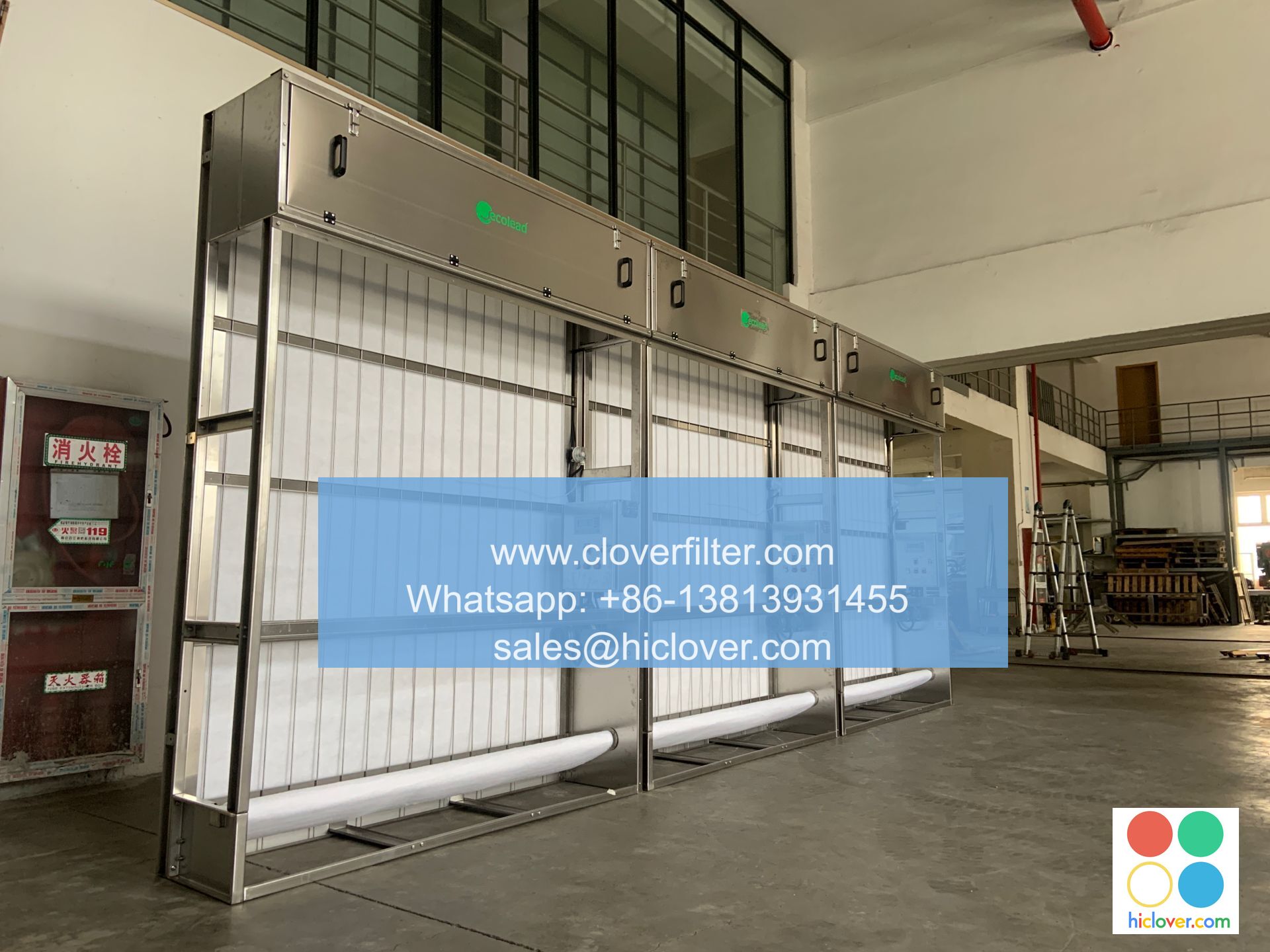
Best Practices for Air Filter Logistics
To ensure effective air filter logistics and maintenance, building owners and facility managers should follow these best practices:
* Regularly inspect and replace air filters to ensure they continue to function effectively and provide good indoor air quality.
* Keep track of air filter inventory to ensure that replacement filters are available when needed.
* Train maintenance staff on the proper installation, maintenance, and replacement of air filters to ensure air filter efficiency and indoor air quality optimization.
Conclusion
In conclusion, air filter logistics is a critical aspect of maintaining good indoor air quality in commercial buildings. By understanding the different types of air filters and their applications, and following best practices for air filter installation and maintenance, building owners and facility managers can help create a healthier and more productive work environment for occupants. Whether you’re looking to improve indoor air quality, reduce energy consumption, or increase air filter efficiency, we hope this guide has provided you with the information and resources you need to make informed decisions about air filter logistics in your commercial building. Prompt
