Air Filter Longevity: How Long Do They Really Last?
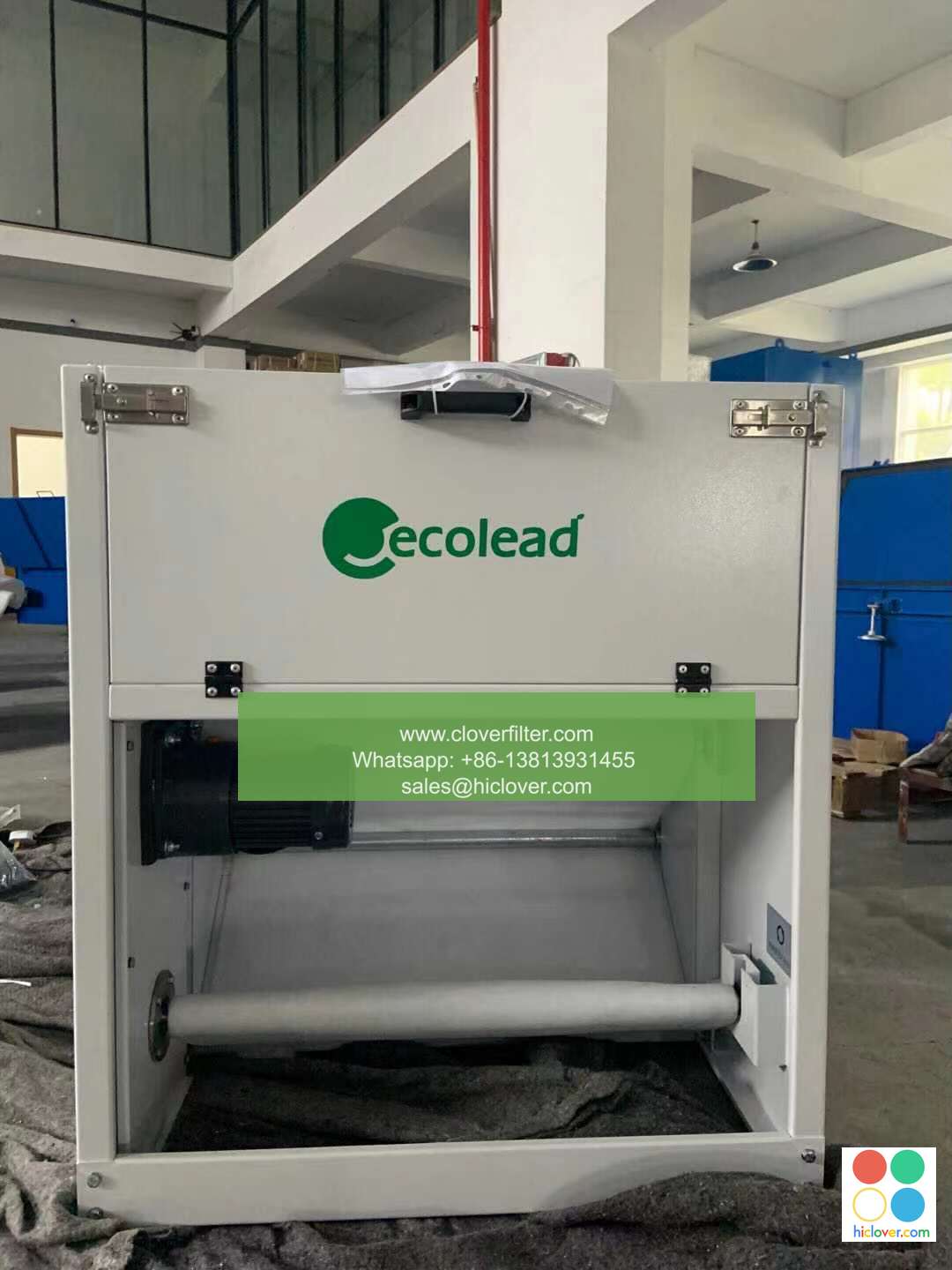
Air filters play a crucial role in maintaining air quality in various environments, from homes and offices to industrial applications. However, the longevity of these filters can vary significantly based on multiple factors. Understanding how long air filters last can help you ensure optimal performance and air quality.
Factors Affecting Air Filter Longevity

The lifespan of an air filter can be influenced by several key factors:
- Type of Filter: Different types of air filters have varying lifespans. For example, HEPA filters are designed for long-term use, while disposable fiberglass filters may need to be changed every month.
- Environmental Conditions: Dust, pollen, and pollution levels in your area can impact how quickly a filter becomes clogged. Areas with higher pollution may require more frequent replacement.
- Usage Frequency: In places with heavy foot traffic or frequent use of heating and cooling systems, filters can degrade faster, necessitating more regular changes.
- Humidity Levels: High humidity environments can promote mold growth, causing filters to become ineffective sooner.
Average Lifespan of Different Air Filters

It’s essential to know the average lifespan of various air filters to plan their replacements effectively:
| Filter Type | Average Lifespan |
|---|---|
| Fiberglass Filters | 1-3 months |
| Pleated Filters | 3-6 months |
| HEPA Filters | 6-12 months |
| Electrostatic Filters | 3-5 years (Washable) |
Highlighting Various Application Areas
Residential Applications
In residential settings, air filters are typically designed for heating, ventilation, and air conditioning (HVAC) systems. Regular replacement is crucial for maintaining indoor air quality. Most homeowners should consider changing their filters every 1 to 3 months, based on usage and environmental conditions.
Commercial Applications
Businesses often require advanced filtration systems to mitigate airborne particles in busy office environments or public spaces. Commercial filters should be monitored regularly, with recommended replacement schedules typically ranging from 6 months to a year.
Industrial Applications
In industrial settings, air filters can protect equipment and improve worker safety. These filters may need to be changed more frequently due to high pollution levels and dust exposure, often every 1 to 3 months.
Signs It’s Time to Replace Your Air Filter
Monitoring your air filter is essential for ensuring its effectiveness. Here are some signs that it’s time for a replacement:
- Increased Energy Bills: A dirty air filter forces your HVAC system to work harder, leading to higher energy costs.
- Decreased Airflow: If you notice reduced airflow from vents, it could indicate that the filter is clogged.
- Allergy Symptoms: Increased allergy symptoms in the home can signal that an air filter is no longer functioning effectively.
- Visible Dirt and Dust: If you can see dust buildup on the filter, it’s time to replace it.
Conclusion
Air filter longevity can depend on various factors, including type, environmental conditions, and usage frequency. By understanding these factors and adhering to recommended replacement schedules, you can maintain optimal air quality in your living and working spaces. Regular monitoring and timely replacements are essential to ensuring that your air filtration systems function effectively, providing a cleaner and healthier environment.
It looks like you entered “Prompt,” but I need a bit more information to assist you. Could you please elaborate on what you’re looking for? Are you interested in a writing prompt, a question about a specific topic, or something else? Let me know how I can help!
