Air Filter Maintenance 101: Tips and Tricks for Optimal Performance
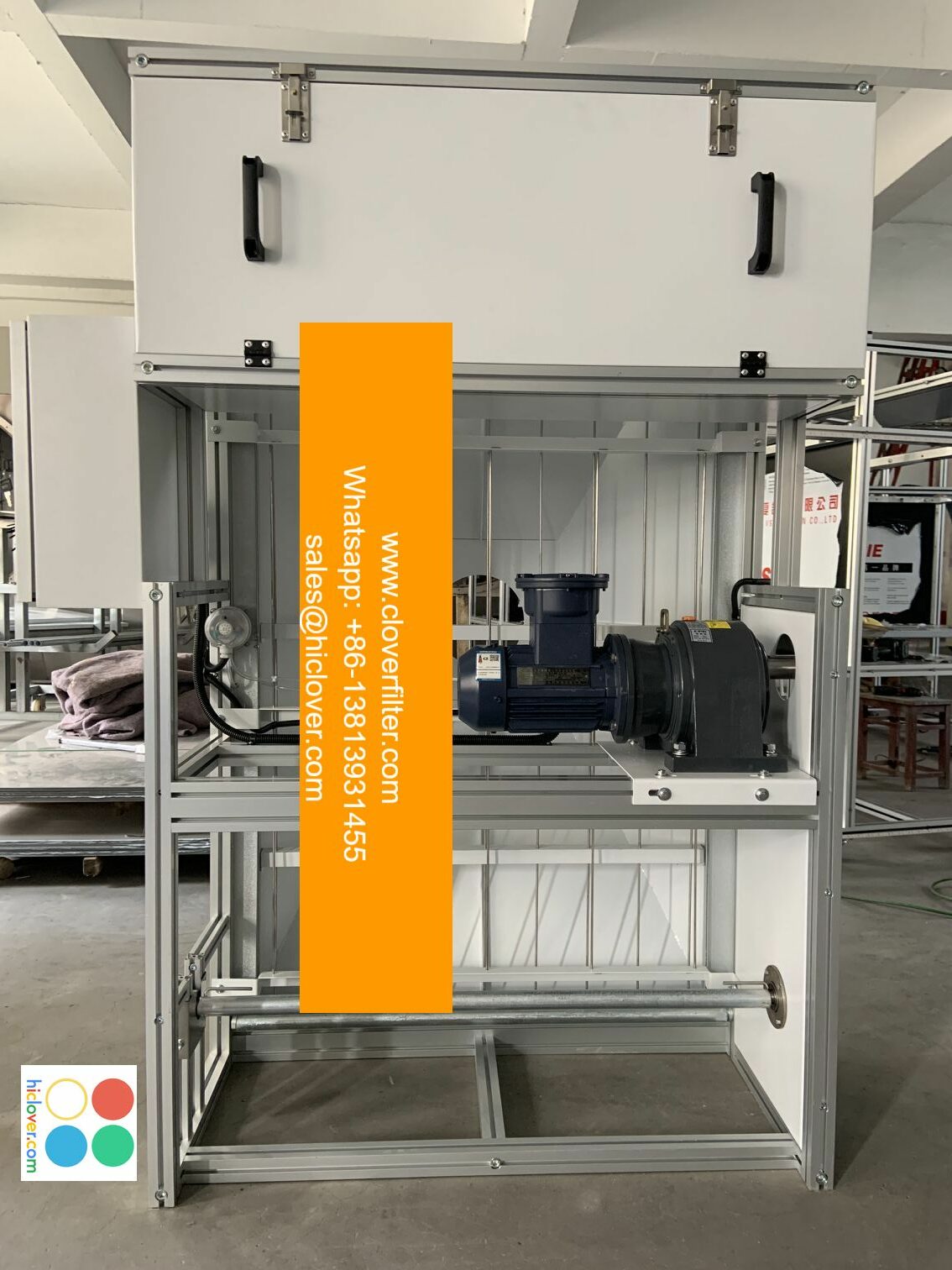
Proper air filter maintenance is crucial for ensuring optimal performance, indoor air quality, and energy efficiency in various application areas, including residential, commercial, and industrial settings. In this article, we will provide an overview of the importance of air filter maintenance, discuss common types of air filters, and offer valuable tips and tricks for maintaining optimal performance.
Why Air Filter Maintenance Matters
Regular air filter maintenance is essential for several reasons, including:
* Improved indoor air quality: Dirty air filters can circulate pollutants, allergens, and particulate matter back into the air, exacerbating respiratory issues and other health problems.
* Increased energy efficiency: Clogged air filters can cause heating, ventilation, and air conditioning (HVAC) systems to work harder, leading to higher energy bills and reduced system lifespan.
* Extended equipment lifespan: Proper air filter maintenance can help prevent premature wear and tear on HVAC systems and other equipment, reducing the need for costly repairs and replacements.
Common Types of Air Filters
There are several types of air filters available, each with its own unique characteristics and application areas. Some common types of air filters include:
* Fiberglass filters: These filters are commonly used in residential settings and are designed to capture larger particles and dust.
* Pleated filters: These filters are often used in commercial settings and are designed to capture smaller particles and allergens.
* HEPA filters: These filters are commonly used in industrial settings and are designed to capture 99.97% of particles as small as 0.3 microns.
* Activated carbon filters: These filters are designed to capture odors and gases and are often used in commercial kitchens and industrial settings.
Tips and Tricks for Air Filter Maintenance
To ensure optimal performance and longevity of air filters, follow these tips and tricks:
* Check and replace air filters regularly: Depending on the type of air filter and application area, air filters should be checked and replaced every 1-3 months.
* Use the correct air filter size: Using an air filter that is too small or too large can reduce its effectiveness and increase energy costs.
* Clean air filters regularly: Some air filters can be cleaned and reused, while others must be replaced. Check the manufacturer’s instructions for guidance.
* Monitor air filter pressure drop: A high pressure drop can indicate a clogged air filter, which can reduce system performance and increase energy costs.

Conclusion
Proper air filter maintenance is essential for ensuring optimal performance, indoor air quality, and energy efficiency in various application areas. By understanding the importance of air filter maintenance, common types of air filters, and following valuable tips and tricks, individuals can help extend the lifespan of their HVAC systems, reduce energy costs, and promote a healthier indoor environment. Remember to always check and replace air filters regularly, use the correct air filter size, clean air filters regularly, and monitor air filter pressure drop to ensure optimal performance and longevity of air filters. You haven’t asked a question or provided any context. What would you like to talk about?
