Air Filter Maintenance and Replacement Schedules for Commercial and Residential Buildings
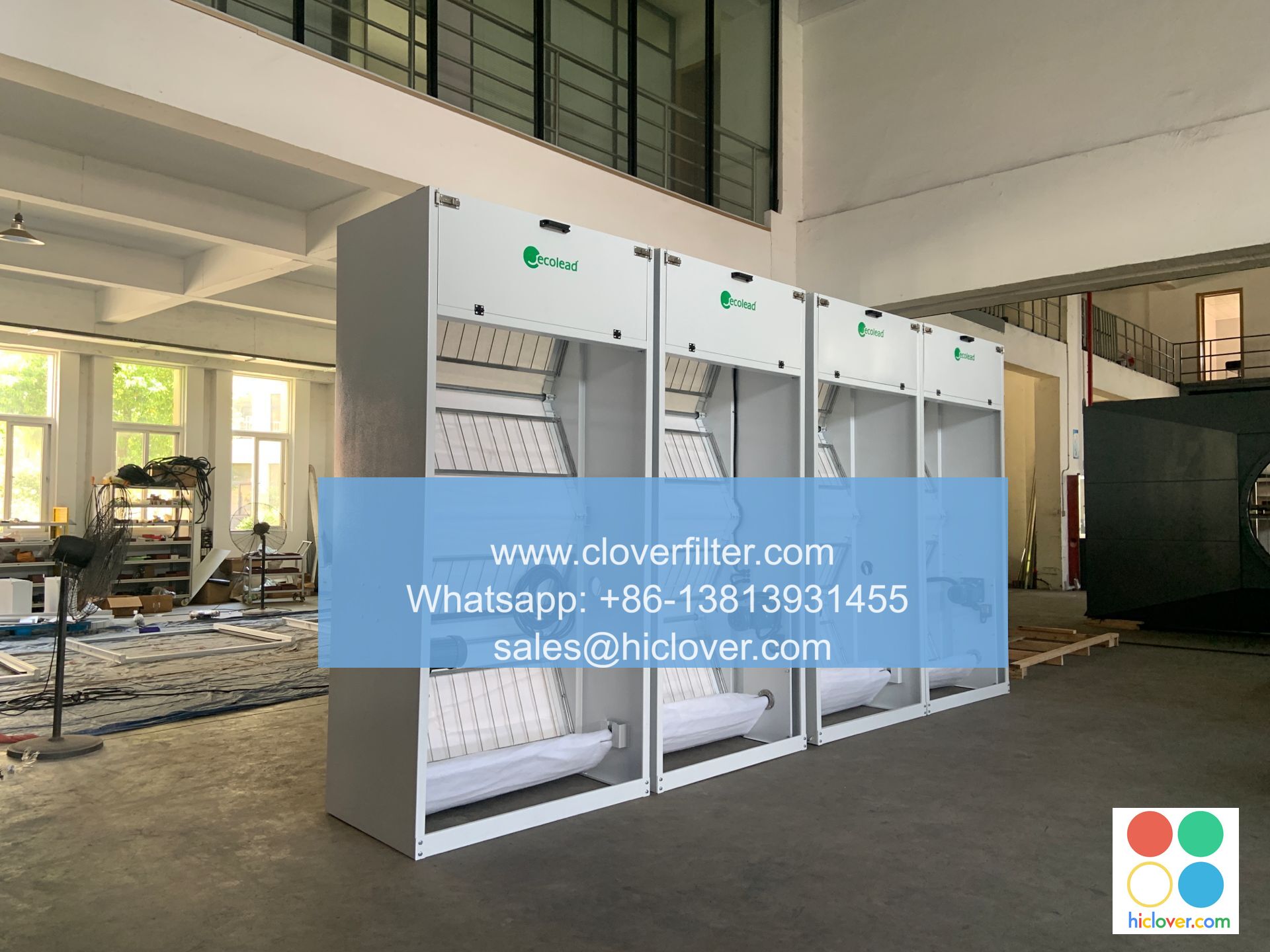
Air filters play a crucial role in maintaining air quality, ensuring efficient HVAC systems, and prolonging the life of equipment in both commercial and residential buildings. Regular maintenance and timely replacement of air filters is essential to ensure optimal performance and indoor air quality. This article outlines maintenance and replacement schedules, application areas, and best practices for air filter management.
The Importance of Air Filters

Air filters are designed to capture airborne particles, allergens, dust, and contaminants, improving overall indoor air quality. In commercial settings, where large groups of people gather, maintaining clean and healthy air is even more critical. For residential buildings, air filters aid in protecting families from asthma and allergy triggers.
Key Benefits of Regular Air Filter Maintenance
- Improved Indoor Air Quality: Regularly changing or cleaning air filters helps remove pollutants and toxins.
- Enhanced Energy Efficiency: Clean filters allow HVAC systems to operate more efficiently, reducing energy costs.
- Extended Equipment Lifespan: Keeping air filters clean can prolong the life of your HVAC system by reducing strain on its components.
Replacement Schedules for Air Filters
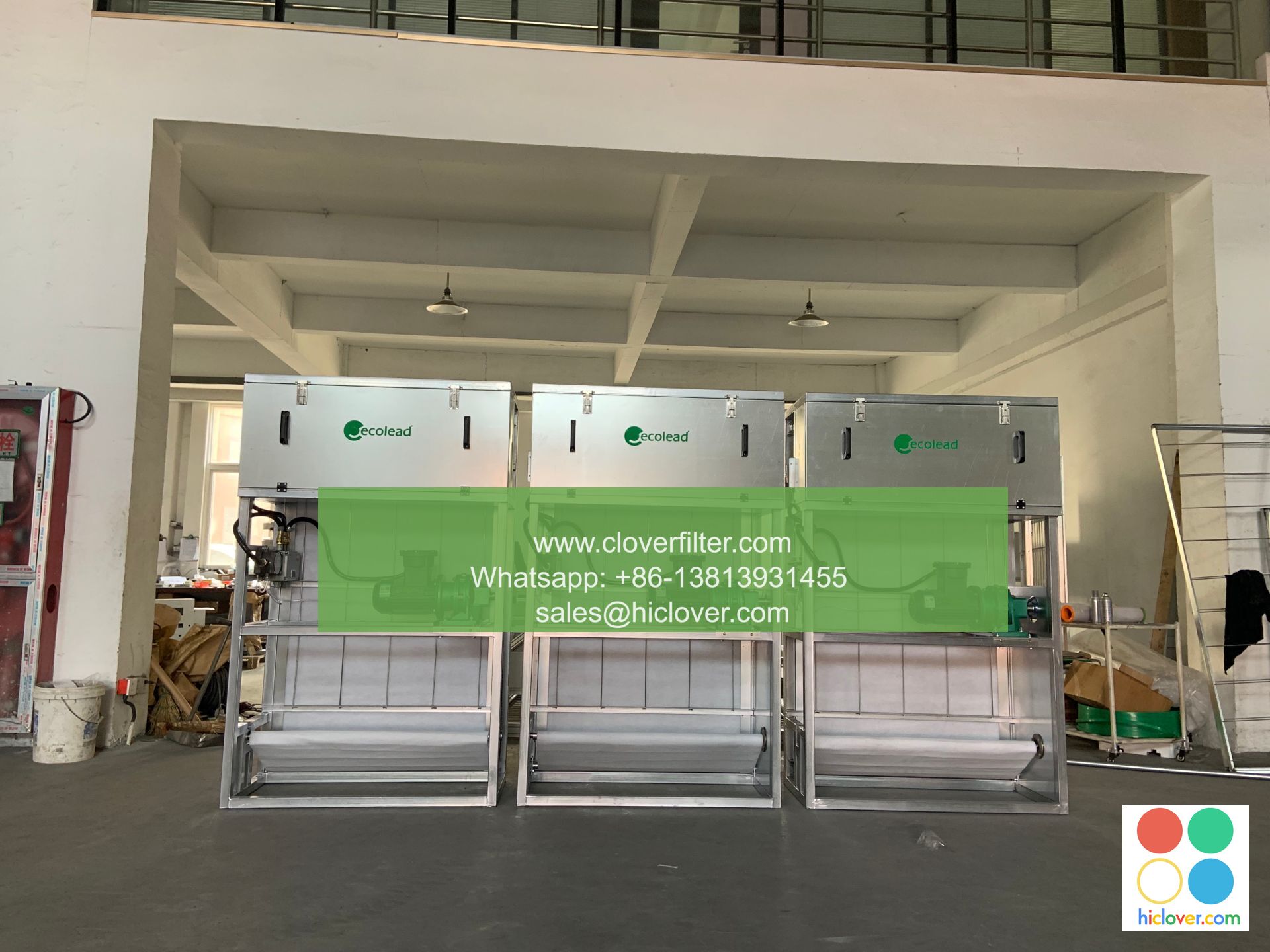
Residential Buildings
For typical residential setups, the following replacement schedule can be implemented:
- 1-3 Month Interval: For homes with pets or allergy sufferers, filters should be checked and replaced every month.
- 3-6 Month Interval: In average households without specific air quality concerns, filters can be replaced every three to six months.
- 6-12 Month Interval: High-efficiency filters may last up to a year but should be checked periodically to ensure they are not clogged.
Commercial Buildings
In commercial spaces, air filter maintenance is often more demanding due to higher occupancy and traffic:
- 1-3 Month Interval: High-traffic areas or buildings with specialized equipment (like gyms or medical facilities) should replace filters every month.
- 3-6 Month Interval: Office buildings and smaller retail outlets can usually maintain a schedule of filter changes every three to six months.
- Monthly Inspections: Regardless of the replacement schedule, it’s beneficial to inspect filters monthly to determine when they need replacing based on usage and air quality metrics.
Application Areas of Air Filters
Air filters are used in various settings, each with unique needs:
- Residential HVAC Systems: Standard air filtration systems handle dust, pollen, and pet dander.
- Commercial HVAC Systems: Larger systems require heavy-duty filtration to manage higher air volumes and pollutants.
- Industrial Applications: In industries like manufacturing, specialized filters may be necessary for fumes and chemical particles.
- Healthcare Facilities: Hospitals often require HEPA filters to maintain an aseptic environment.
Best Practices for Air Filter Maintenance
To ensure optimal air quality and system efficiency, consider the following best practices:
- Regularly inspect air filters for dirt and clogging.
- Keep an organized log of filter replacement dates.
- Use high-quality filters suitable for your specific application.
- Ensure that filters are installed correctly to prevent air leaks.
- Utilize professional maintenance services for commercial systems.
Conclusion
Whether for commercial or residential buildings, understanding air filter maintenance and replacement schedules is crucial for sustaining indoor air quality and overall system efficiency. Implementing a proactive approach to air filter management not only promotes health and comfort but also contributes to energy savings and the longevity of HVAC systems. Staying informed on proper maintenance and replacement protocols is essential for any property owner or facility manager.
It looks like your message was cut off. How can I assist you today? If you have a specific prompt or topic in mind, please let me know!
