Air Filter Maintenance for Museums and Historical Buildings: A Tutorial
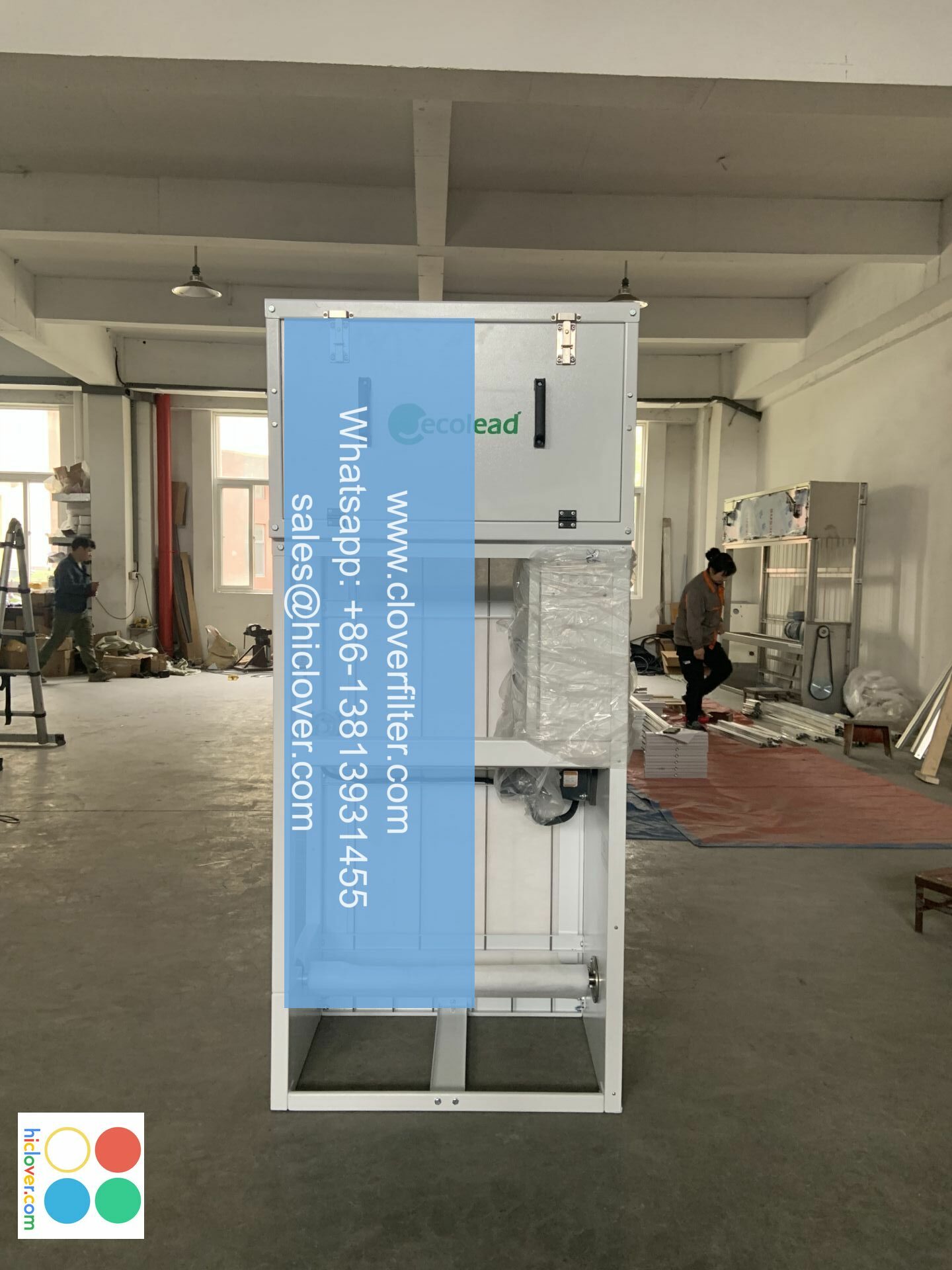
Air quality is a critical aspect of preserving the integrity of museums and historical buildings. These institutions house invaluable artifacts, artworks, and documents that are vulnerable to environmental factors, especially air contaminants. Proper air filter maintenance plays a vital role in ensuring that these spaces remain safe for both visitors and collections. In this tutorial, we will explore effective strategies for maintaining air filters in museums and historical buildings and highlight the various application areas involved.
Understanding the Importance of Air Filters

Air filters are essential components of HVAC (Heating, Ventilation, and Air Conditioning) systems. They serve to remove dust, pollutants, and other airborne particles that could harm sensitive materials. The effectiveness of air filters directly influences indoor air quality, which is essential for:
- Artifact Preservation: Airborne pollutants can lead to the deterioration of textiles, papers, and artworks.
- Health and Safety: Poor air quality can affect visitor and staff health, making filter maintenance crucial.
- Energy Efficiency: Clean air filters improve HVAC efficiency, reducing energy consumption and costs.
Types of Air Filters Used in Museums
When it comes to air filter selection, there are several types commonly utilized in museums and historical buildings:

HEPA Filters (High-Efficiency Particulate Air)
- Application: Used in galleries and storage areas where sensitive artifacts are housed.
- Advantages: Captures 99.97% of particles that are 0.3 microns or larger, providing optimal air quality.
Activated Carbon Filters
- Application: Effective in areas containing organic materials and where odor control is needed.
- Advantages: Absorbs volatile organic compounds (VOCs) and other gases that can damage collections.
Pre-Filters
- Application: Installed as the first line of defense in HVAC systems.
- Advantages: Captures larger particles, thus extending the life of more expensive HEPA filters.
Air Filter Maintenance Best Practices
Maintaining air filters is an ongoing process that requires diligence and attention. Here are some best practices for effective air filter maintenance:
1. Regular Inspection Schedule
Establish a routine inspection schedule for all air filters. Depending on the filter type and location, inspect filters monthly or quarterly. Regular inspections help identify clogged or damaged filters that need replacement.
2. Clean and Replace Filters
- Cleaning: Some filters, such as pre-filters, can be cleaned and reused. Use a vacuum or compressed air to remove dust and debris.
- Replacement: HEPA and activated carbon filters should typically be replaced every 6-12 months, depending on usage and air quality standards. Always consult the manufacturer’s guidelines.
3. Maintain HVAC Systems
Ensure that HVAC systems are regularly maintained and serviced by professionals. This includes checking for leaks, ensuring proper airflow, and verifying that all components function correctly.
4. Monitor Indoor Air Quality
Use air quality monitors to keep track of pollutants, humidity levels, and temperature. Adjustments to air filter maintenance can be made based on real-time data to optimize air quality.
5. Educate Staff and Visitors
Educate museum staff about the importance of air quality and filter maintenance. Display informational materials for visitors to promote awareness of how air quality affects collections.
Conclusion
Maintaining air filters in museums and historical buildings is a vital aspect of preserving our cultural heritage. By understanding the importance of air quality, choosing the right filters, and implementing a solid maintenance plan, institutions can protect invaluable artifacts from damage. Regular inspections, cleaning, professional HVAC maintenance, and continuous monitoring can collectively enhance indoor air quality, ensuring a safe and healthy environment for all.
Additional Resources
For further reading and resources on air quality management and filter maintenance, visit:
- National Park Service – Museum Collections
- American Institute for Conservation of Historic and Artistic Works
By prioritizing air filter maintenance, museums and historical buildings can continue to inspire and educate future generations, safeguarding our shared heritage.
It seems like your message might be incomplete. Could you please provide more details or clarify what you’re looking for? Whether it’s a specific topic, idea, or question, I’m here to help!
