Air Filter Maintenance: Frequently Asked Questions
Key Takeaways
- Understanding air filter maintenance is crucial for optimal HVAC performance.
- Automatic Roll Air Filters enhance efficiency with low maintenance needs.
- Proper selection is key; consider airflow, face velocity, and installation location.
- Avoiding common mistakes can extend filter life and improve air quality.
- Real-world applications showcase the effectiveness of quality air filtration.
- Compliance with industry standards like ISO 16890 enhances system reliability.
- Airflow Range: Determine the required airflow capacity to match your HVAC system’s needs.
- Face Velocity: Ensure the filter accommodates optimal face velocity for effective particulate control.
- Media Width/Length: The dimensions should align with existing ductwork for seamless integration.
- Frame Size: Select a frame that supports the filter media securely within the AHU.
- Control Options: Consider automated controls for monitoring and operational efficiency.
- Power Supply: Ensure compatibility with existing electrical systems.
- Installation Location: Identify if it will be placed at fresh air intake, return air, or process air locations for optimal performance.
-
What maintenance is required for Automatic Roll Air Filters?
Regular inspection is recommended to ensure the automatic functions work correctly and the filters advance as needed. -
Can I retrofit an Automatic Roll Air Filter into existing systems?
Yes, many designs are adaptable, although size and framework compatibility should be confirmed. -
How often should the filter media be changed?
This depends on usage; typically, industries will monitor differential pressure to determine when to replace. -
Are there any specific filters for hazardous environments?
Yes, some filters can be specially designed for applications in hazardous locations; consult the manufacturer for options. -
What is MERV and how does it relate to air filtration?
The Minimum Efficiency Reporting Value (MERV) is a rating that reflects the effectiveness of air filters. Always refer to it as a guideline. -
Do Automatic Roll Air Filters save energy?
Yes, by maintaining optimal airflow and reducing frequency of manual replacements, they increase overall system efficiency. - Ignoring pressure drop readings: Regularly monitor differential pressure to avoid premature filter replacement.
- Inadequate size selection: Choose dimensions that fit your existing system for maximized efficiency.
- Overlooking installation location: Ensure filters are correctly placed for optimal performance based on airflow direction.
- Neglecting to program automated controls: Utilize programmable features to enhance efficiency and reduce human error.
- Failing to inspect for leaks: Regular checks can prevent contaminated air from bypassing the filters.
- Underestimating media lifespan: Monitor usage patterns to effectively predict media change.
- Ignoring environmental factors: Consider external pollution sources that may affect filter efficiency.
- Not training staff on filter maintenance: Ensure your team understands the system’s operational benefits and maintenance procedures.
What is an Automatic Roll Air Filter?
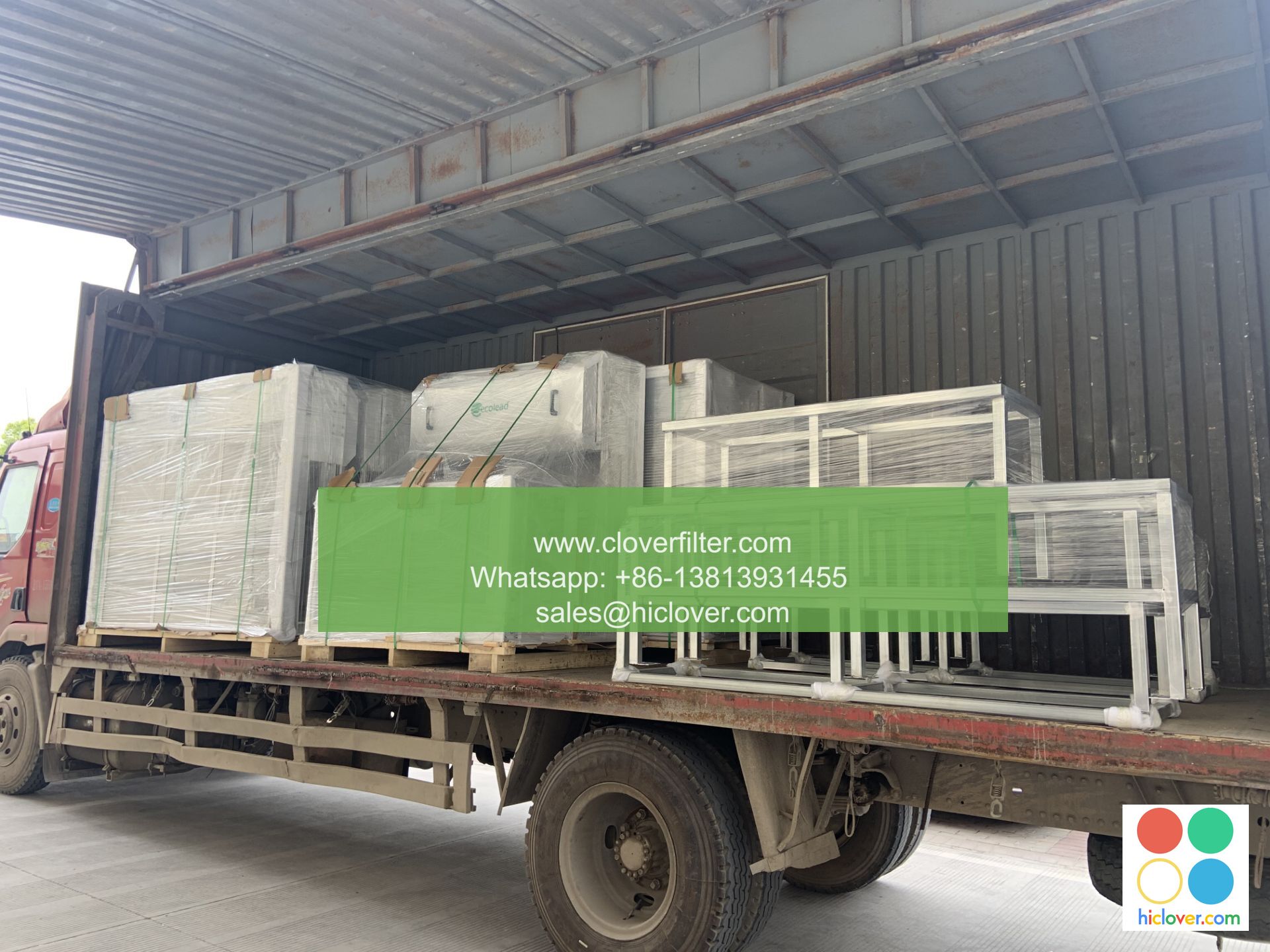
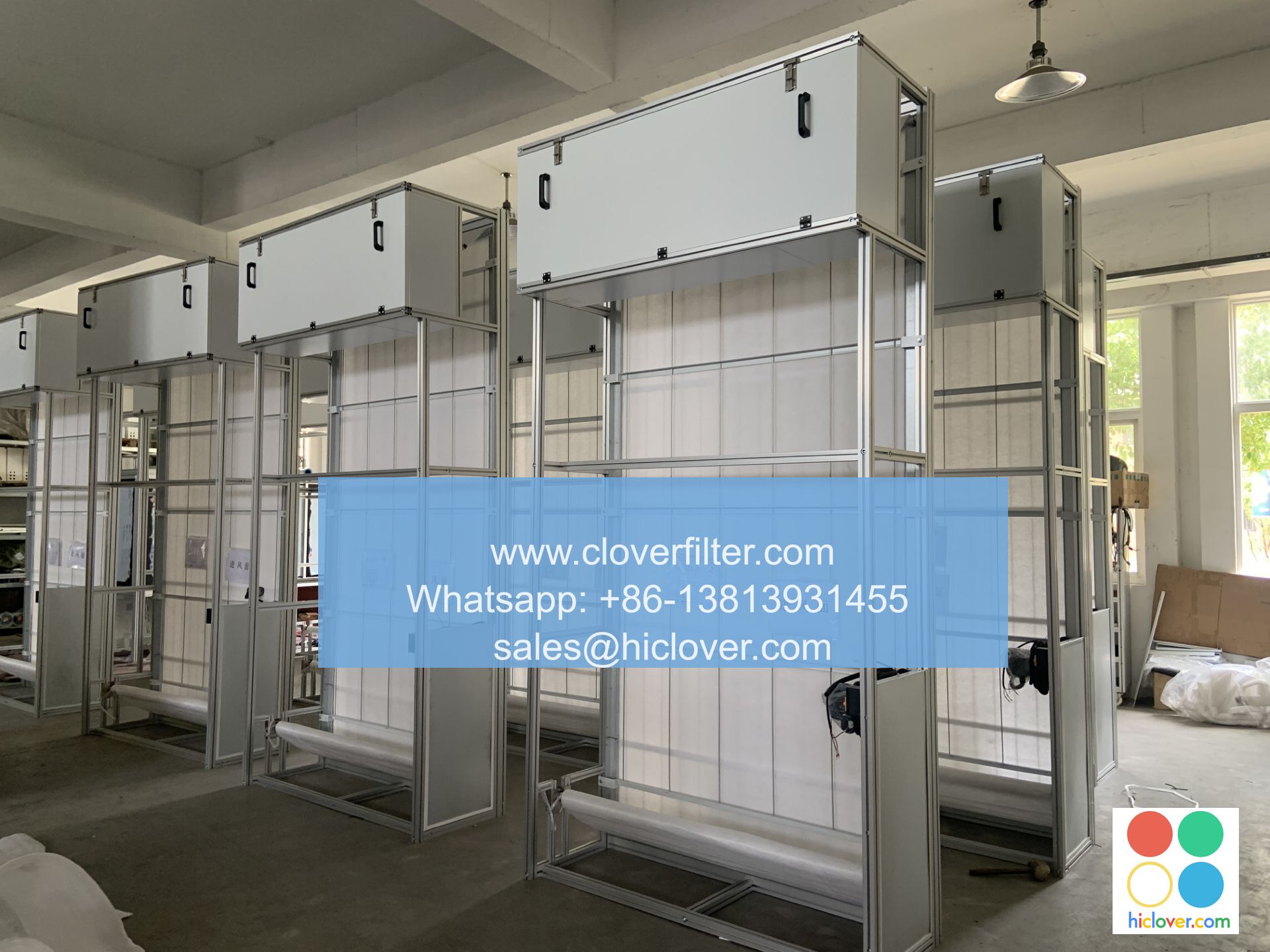
An Automatic Roll Air Filter is a sophisticated air filtration solution designed for industrial applications. This system uses a continuous roll of filter media that advances based on differential pressure triggers. It intelligently detects when the filter has reached a predetermined clean-air threshold and automatically rolls out fresh media while retracting the used section. This mechanism minimizes maintenance downtime and promotes consistent air quality.

The filter fits seamlessly into HVAC (Heating, Ventilation, and Air Conditioning) and AHU (Air Handling Unit) systems, particularly in environments requiring stringent particulate control, such as cleanrooms, hospitals, and manufacturing facilities.
How Does an Automatic Roll Air Filter Work?
The functionality of an Automatic Roll Air Filter is governed by advanced roll media advance logic. This logic is complemented by a differential pressure trigger that monitors the pressure drop across the filter. As particulate matter builds up and increases resistance, the system activates and advances the roll of media at preset intervals, thus ensuring a constant flow of filtered air.
Additional timer modes can be programmed to change the media based on scheduled maintenance or usage patterns, allowing for energy savings and maintaining optimal air quality in varying conditions.
Selecting the Right Automatic Roll Air Filter
Key Factors to Consider
Air Filter FAQs
Comparison of Air Filter Types
| Filter Type | Best Use Case | Maintenance | Pressure Drop Behavior | Operating Cost | Typical Risk/Downside |
|---|---|---|---|---|---|
| Automatic Roll Air Filter | High-traffic industrial areas | Low (automatic media advance) | Low | Moderate to low | Initial investment cost |
| Bag Filter | HVAC systems with varying loads | Moderate (manual cleaning/replacement) | Moderate | Moderate | Larger size, more maintenance |
| Panel Filter | General HVAC applications | Low to moderate (periodic replacement) | Moderate | Low | Limited life span |
| V-bank Filter | Applications requiring high efficiency | Moderate (manual cleaning/replacement) | High | Moderate | Higher initial cost |
Common Mistakes & How to Avoid Them
Real-World Scenarios
1. Data Center
A data center employs an Automatic Roll Air Filter for its AHU to manage heat loads effectively. With sensitive equipment that generates extensive heat, the filter maintains environmental controls, reducing energy costs by ensuring efficient airflow.
2. Lithium Battery Factory
In a lithium battery manufacturing facility, particulate control is crucial. Implementing an Automatic Roll Air Filter ensures compliance with safety standards while preventing contamination that could compromise product quality and safety.
3. Paint Shop
A paint booth utilizes Automatic Roll Air Filters to filter volatile organic compounds (VOCs) and particulates, effectively improving air quality and ensuring compliance with environmental regulations without disrupting operations.
4. Textile and Steel/Cement Plant
In heavy industries like textiles and cement, the filter manages high levels of dust and particulate matter. Choosing an Automatic Roll Air Filter significantly cuts down maintenance hours and enhances operational efficiency by minimizing pressure drops.
CloverFilter provides innovative solutions tailored for heavy-duty industrial applications. For more information on how our products can benefit your operation, visit CloverFilter.
Meta Description: Explore common air filter FAQs and maintenance tips for an Automatic Roll Air Filter to optimize industrial HVAC systems efficiently.
For inquiries about customizing air filtration solutions for your specific needs, please contact CloverFilter at CloverFilter Contact.
It seems you may not have finished your request or prompt. Could you please provide more details or clarify what you would like assistance with? Whether it’s a topic you’d like to discuss, a story idea, or something else entirely, I’m here to help!
