Air Filter Manufacturers Association Guide to Air Filter Materials and Construction
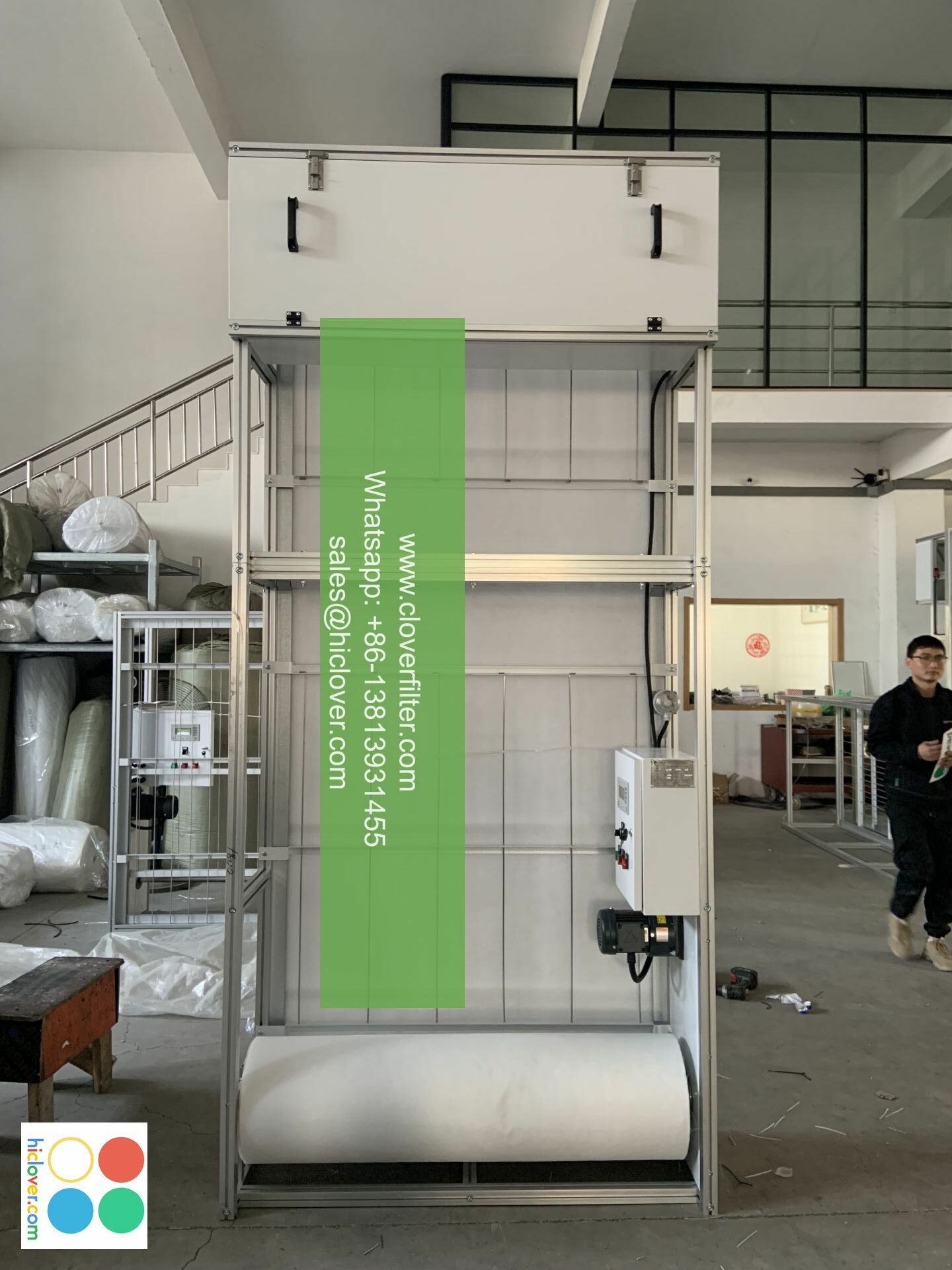
The Air Filter Manufacturers Association (AFMA) plays a crucial role in the air filtration industry, providing comprehensive guidelines and standards for the manufacturing and application of air filters. Understanding the materials and construction of air filters is essential for ensuring optimum performance in various environments, such as residential, commercial, and industrial applications. This article delves into the AFMA’s guide on air filter materials and construction, highlighting key areas and applications.
Understanding Air Filter Materials

Air filters are designed to remove pollutants, allergens, and particulate matter from the air. The efficiency of an air filter significantly depends on the materials used in its construction. Below are some commonly utilized air filter materials:
1. Fiberglass
Fiberglass air filters are widely used in both residential and commercial applications due to their cost-effectiveness. They consist of layered fiberglass fibers that trap larger particles, making them ideal for home HVAC systems.
2. Pleated Media
Pleated media filters are constructed by folding the filter material in a zigzag pattern, which increases the surface area and enhances filtration efficiency. They are perfect for environments that demand higher efficiency, such as hospitals and clean rooms.
3. HEPA (High-Efficiency Particulate Air)
HEPA filters are known for their superior filtration capabilities, capturing at least 99.97% of particles that are 0.3 microns in size. These filters are critical in applications such as laboratories and pharmaceutical production, where air quality is paramount.
4. Activated Carbon
Activated carbon filters consist of porous carbon material that adsorbs gases, odors, and volatile organic compounds (VOCs). They are commonly employed in indoor air quality applications, like residential environments and kitchens.
5. Electrostatic Filters
Electrostatic filters create an electric charge that attracts and captures airborne particles. They are effective in both residential and industrial settings, reducing the need for frequent replacements due to their reusable nature.
Construction Techniques
The construction of an air filter influences its performance, durability, and life expectancy. Here are some essential aspects of air filter construction:
1. Filter Frame
The filter frame is typically made of metal or rigid plastic, providing structural integrity to the filter. A robust frame ensures that the filter maintains its shape and does not collapse under pressure.
2. Media Support
To enhance airflow and maintain filter shape, manufacturers often include media support grids or spacers. This design choice allows for optimal airflow while maximizing the filter’s surface area.
3. Sealant
The sealing of the filter’s edges is vital to prevent air leaks that can compromise filtration efficiency. High-quality sealants ensure a tight fit between the filter and the housing, making airflow more effective.
4. End Caps
End caps protect the filter media and contribute to its structural integrity. They can be made from various materials, including plastic and metal, which must also be airtight to maintain filtration efficiency.
Applications of Air Filters
Different applications require specific types of air filters based on the level of filtration necessary. Here are some key application areas:
Residential Applications
In homes, air filters are primarily used in HVAC systems to improve indoor air quality. Filters such as fiberglass and pleated media are common in these settings because they balance cost and efficiency.
Commercial Buildings
In commercial spaces, such as offices and retail stores, pleated and HEPA filters are often employed to manage higher pollutants and ensure a healthier environment for employees and customers.
Industrial Settings
In industrial applications, such as manufacturing and food processing, high-efficiency filters like HEPA and activated carbon are essential. These filters manage various contaminants and ensure compliance with safety standards.
Healthcare Facilities
Hospitals and clinics require stringent air quality measures. HEPA filters and activated carbon filters are commonly used to protect patients and staff from airborne pathogens and odors.
Conclusion
The Air Filter Manufacturers Association provides a vital framework for understanding air filter materials and construction. By selecting the right materials and construction techniques, manufacturers can produce high-quality filters suitable for various applications, ranging from residential HVAC systems to industrial air quality control. By adhering to AFMA guidelines, consumers can make informed choices when it comes to improving air quality, ensuring health, safety, and comfort in their environments. For more detailed information on air filter standards and specifications, consider referring to the comprehensive resources provided by the AFMA.
This article has been crafted to inform industry professionals and consumers interested in air filtration solutions and applications, providing clarity on materials and construction standards essential for optimal air quality management.
It seems like you might have a request or idea in mind that you want to flesh out! Could you please provide more details or specify what kind of prompt you are looking for? Whether it’s for writing, art, a discussion topic, or something else, I’d be happy to help!
