Air Filter Manufacturers Partner with Agricultural Industry
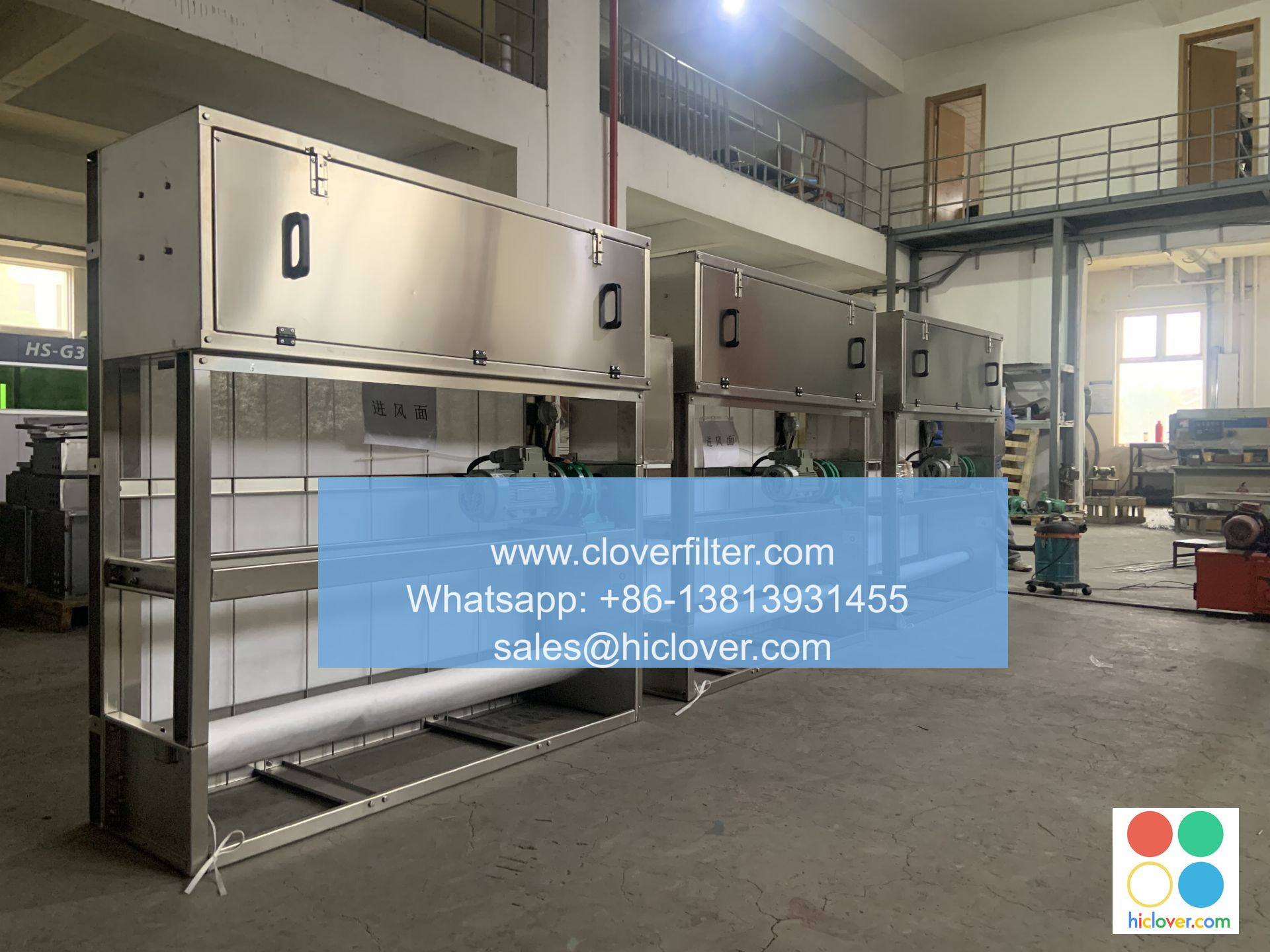
The agricultural industry is one of the largest and most vital sectors in the world, providing food and other essential products to billions of people. However, the industry is also a significant contributor to air pollution, with the use of pesticides, fertilizers, and farming equipment releasing harmful particles and gases into the air. To address this issue, air filter manufacturers are partnering with the agricultural industry to develop innovative solutions that improve air quality and increase crop yields.
Benefits of Air Filtration in Agriculture
The use of air filters in agriculture has numerous benefits, including:
* Improved air quality: Air filters can remove harmful particles and gases from the air, reducing the risk of respiratory problems and other health issues for farmers and farm workers.
* Increased crop yields: By removing pollutants and allergens from the air, air filters can help to improve crop health and increase yields.
* Reduced pesticide use: Air filters can help to reduce the amount of pesticides and other chemicals used in farming, which can harm the environment and human health.
* Energy efficiency: Air filters can help to reduce energy consumption by improving the efficiency of farming equipment and reducing the need for heating and cooling.
Application Areas for Air Filters in Agriculture
Air filters have a wide range of applications in agriculture, including:
* Greenhouse air filtration: Air filters can be used to remove pollutants and allergens from the air in greenhouses, improving crop health and increasing yields.
* Livestock ventilation: Air filters can be used to improve ventilation in livestock facilities, reducing the risk of respiratory problems and other health issues for animals.
* Crop drying and storage: Air filters can be used to remove moisture and pollutants from the air during crop drying and storage, reducing the risk of spoilage and improving crop quality.
* Farming equipment filtration: Air filters can be used to improve the efficiency and reduce the emissions of farming equipment, such as tractors and harvesters.
Key Technologies and Trends
Some of the key technologies and trends in air filter manufacturing for the agricultural industry include:
* HEPA filtration: High-efficiency particulate air (HEPA) filters can capture 99.97% of particles as small as 0.3 microns, making them ideal for use in greenhouses and other applications where high air quality is required.
* Activated carbon filtration: Activated carbon filters can be used to remove gases and odors from the air, improving air quality and reducing the risk of health problems.
* UV air purification: Ultraviolet (UV) light can be used to kill bacteria, viruses, and other microorganisms in the air, improving air quality and reducing the risk of disease.
* IoT-enabled air filtration systems: The Internet of Things (IoT) can be used to monitor and control air filtration systems in real-time, improving their efficiency and effectiveness.

Conclusion
The partnership between air filter manufacturers and the agricultural industry has the potential to revolutionize the way we grow and produce food. By improving air quality and increasing crop yields, air filters can help to address some of the biggest challenges facing the agricultural industry today. As the industry continues to evolve and grow, it is likely that we will see even more innovative applications of air filtration technology in the years to come. It seems like you’re ready to give me a prompt, but it hasn’t appeared yet! Please go ahead and share what’s on your mind, and I’ll do my best to help.
