Air Filter Materials: A Study of Advanced Materials and Nanotechnology
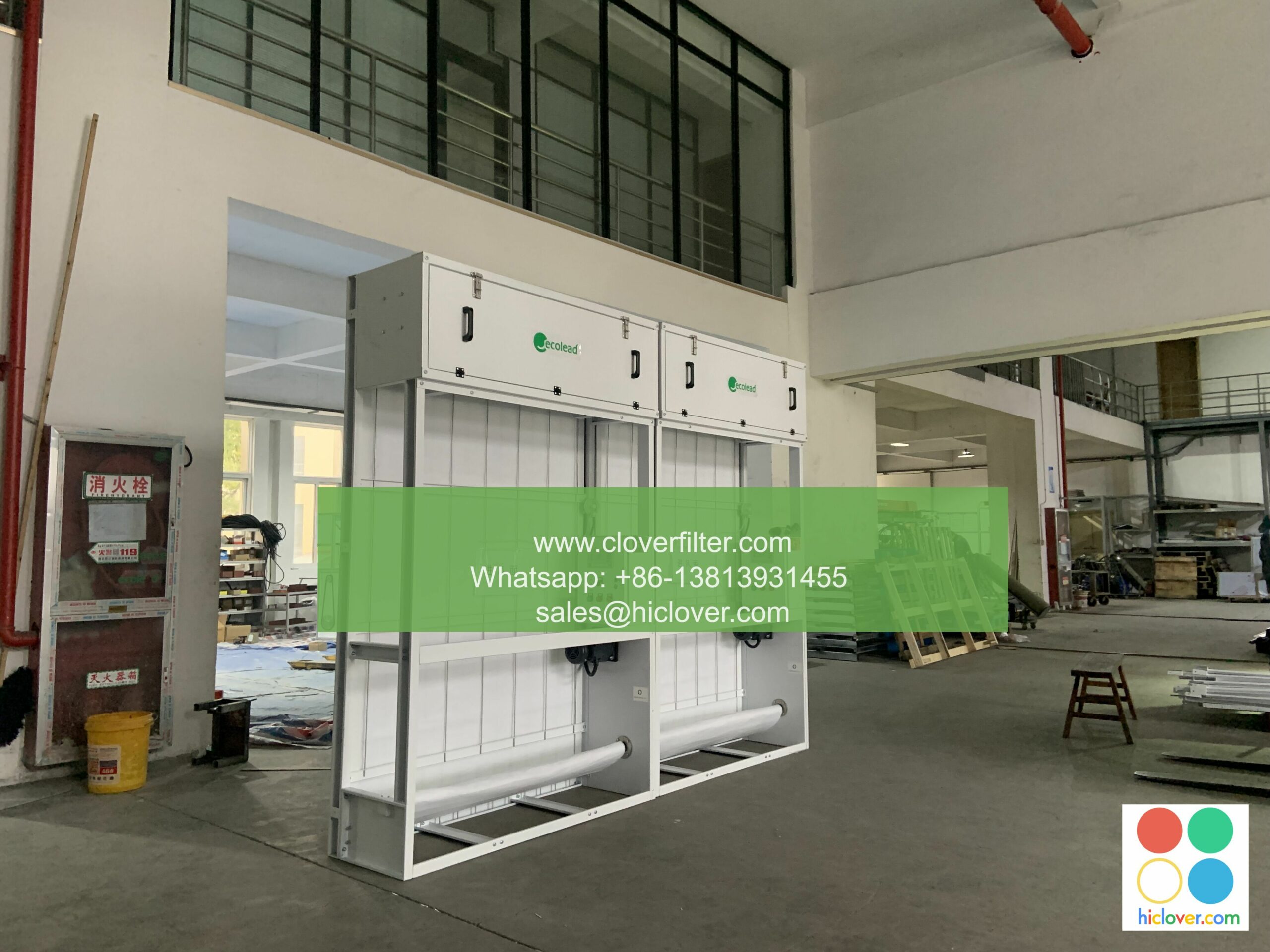
In an age where clean air is paramount, the significance of advanced air filter materials cannot be overstated. This article delves into innovative materials and nanotechnology that are revolutionizing air filtration, with a focus on various applications such as indoor air quality, automotive filtration, and industrial processes.
Understanding Air Filtration

Air filtration is a crucial technology designed to remove pollutants, allergens, and particulate matter from the air. The efficiency and effectiveness of air filters largely depend on the materials used in their construction. Traditional filter materials, while effective, often require significant enhancements to meet the growing demands for cleaner air.
Advanced Filter Materials
The advancement of air filtration technology has led to the development of several innovative materials. These advanced materials are characterized by their superior mechanical properties, chemical resistance, and filtration efficiency.
1. Electrospun Nanofibers
One of the most promising advances in air filter materials is the use of electrospun nanofibers. These fibers possess a very high surface area-to-volume ratio, which enhances their capacity to trap airborne particles. Studies have shown that nanofiber filters can capture particles as small as 0.3 micrometers, providing exceptional protection against viruses and bacteria.

2. Activated Carbon
Activated carbon materials have long been valued for their ability to adsorb a wide range of pollutants. Their use in air filtration can effectively remove volatile organic compounds (VOCs) and other harmful chemicals. Innovations in activated carbon include the development of composite materials that enhance adsorption efficiency while maintaining airflow.
3. Photocatalytic Materials
Photocatalytic air filters utilize advanced materials such as titanium dioxide (TiO2) which, when exposed to UV light, can break down organic pollutants and kill microorganisms. This unique feature not only purifies the air but also reduces odors, making these filters particularly beneficial for indoor environments.
Applications of Advanced Air Filter Materials
Advanced air filter materials are implemented across various sectors, each with specific requirements and challenges. Here are some key application areas:
1. Indoor Air Quality
With increasing concern over indoor air pollution, especially in urban environments, the demand for high-efficiency particulate air (HEPA) filters made from advanced materials is surging. These filters are essential in homes, schools, and offices, ensuring a safe and healthy living environment.
2. Automotive Filtration
In the automotive industry, advanced air filter materials play a critical role in maintaining the air quality inside vehicles. Innovations in automotive air filtration systems can significantly reduce exposure to allergens and pollutants, enhancing passenger comfort and health.
3. Industrial Applications
Industries that generate particulate matter and volatile organic compounds require efficient air filtration solutions. Advanced filter materials can withstand harsh environments and effectively capture harmful emissions, complying with stringent regulatory standards and promoting worker safety.
Navigating Challenges and Future Trends
While the potential of advanced air filter materials is vast, challenges such as cost, scalability, and environmental impact remain. Ongoing research in nanotechnology continues to drive innovation, focusing on developing sustainable materials that are both effective and eco-friendly.
Future trends in air filtration may include the integration of smart sensors that allow real-time monitoring of air quality, as well as the development of self-cleaning filters that reduce maintenance costs and enhance longevity.
Conclusion
In conclusion, the exploration of advanced air filter materials, propelled by nanotechnology, holds transformative potential across various application areas. As the demand for cleaner air grows, so too does the need for innovative filtration solutions that are efficient, sustainable, and effective in combating air pollution. By leveraging advanced materials and cutting-edge technology, the future of air filtration is bright, promising enhanced health and well-being for all.
It seems like you entered “Prompt,” but I need a bit more context to assist you effectively. Could you please provide more details or specify what type of prompt you’re looking for? For example, are you looking for a creative writing prompt, a question for discussion, programming help, or something else?
