Air Filter Materials and Manufacturing Processes: A Documentation Overview
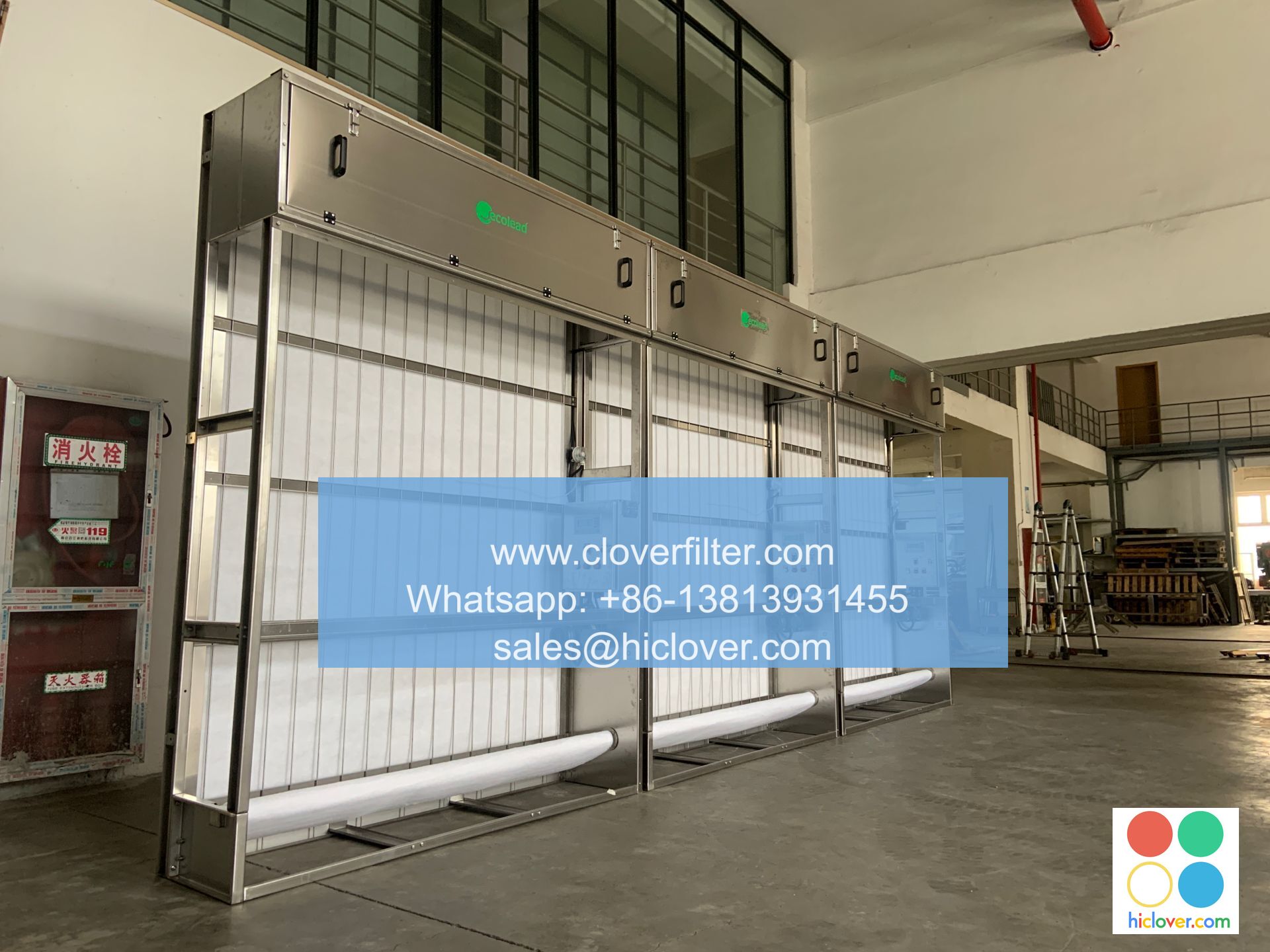
Air filters play a crucial role in maintaining indoor air quality, removing airborne pollutants, and improving overall health and well-being. The effectiveness of an air filter depends on the type of material used and the manufacturing process employed. In this article, we will provide an overview of the different air filter materials and manufacturing processes, highlighting their application areas and key benefits.
Types of Air Filter Materials
Air filter materials can be broadly classified into several categories, including:
* Fiberglass: A common and cost-effective material used in residential air filters and commercial HVAC systems.
* Polyester: A popular choice for industrial air filters and high-efficiency particulate air (HEPA) filters due to its high durability and resistance to moisture.
* Activated Carbon: Used in air purifiers and gas masks to remove volatile organic compounds (VOCs) and odors.
* Nanofibers: A new generation of materials used in high-performance air filters and medical devices due to their high surface area and filtration efficiency.
Air Filter Manufacturing Processes
The manufacturing process of air filters involves several stages, including:
* Spunbonding: A process used to create polypropylene fibers for air filter media.
* Needle punching: A technique used to interlock fibers and create a stable filter structure.
* Thermobonding: A process used to bond fibers using heat and pressure.
* Electrospinning: A technique used to create nano-scale fibers for high-performance air filters.
Application Areas
Air filters have a wide range of applications, including:
* Residential and Commercial HVAC Systems: Air filters are used to improve indoor air quality and reduce energy consumption.
* Industrial Processes: Air filters are used to remove particulate matter and gases from industrial emissions.
* Medical Devices: Air filters are used in ventilators, anesthesia machines, and medical implants to ensure sterile air supply.
* Automotive Industry: Air filters are used in vehicle cabins to improve air quality and reduce allergens.

Key Benefits
The use of air filters offers several key benefits, including:
* Improved Indoor Air Quality: Air filters can remove up to 99.97% of particulate matter and gases from the air.
* Reduced Energy Consumption: Air filters can help reduce energy consumption by improving air flow and reducing pressure drop.
* Extended Equipment Life: Air filters can help extend the life of equipment and machinery by removing particulate matter and gases that can cause wear and tear.
* Improved Health and Well-being: Air filters can help reduce allergies and respiratory problems by removing allergens and particulate matter from the air.
In conclusion, air filter materials and manufacturing processes play a critical role in maintaining indoor air quality and improving overall health and well-being. By understanding the different types of air filter materials and manufacturing processes, we can choose the best option for our specific needs and applications, and enjoy the key benefits that air filters have to offer. You haven’t provided a question or topic for me to address. Could you please provide more details or ask a specific question so I can assist you better?
